Cleaning your yoga mat regularly is essential for maintaining hygiene and extending its lifespan. Whether you practice daily or occasionally, knowing how to clean a yoga mat properly prevents bacteria buildup, eliminates odors, and ensures a safe practice surface. This comprehensive guide covers proven cleaning methods for all mat types in 2026.
Understanding Your Yoga Mat Material Before Cleaning
Before learning how to clean a yoga mat, you must identify your mat’s material to choose the appropriate cleaning method. Natural rubber mats require different care than synthetic materials like PVC or TPE. Most yoga mats sold in the United States in 2026 are made from PVC (polyvinyl chloride), TPE (thermoplastic elastomer), natural rubber, or cork materials.
Check the manufacturer’s label or website for specific material information. PVC mats are typically the most durable and can handle various cleaning solutions, while natural rubber and cork mats need gentler treatment. Understanding your mat’s composition prevents damage and ensures effective cleaning that maintains the material’s integrity over time.
Essential Daily Yoga Mat Cleaning Methods
Daily maintenance is crucial for keeping your yoga mat clean and hygienic. After each practice session, basic cleaning removes sweat, oils, and surface bacteria before they can penetrate deeper into the material.
DIY Natural Yoga Mat Spray Solution
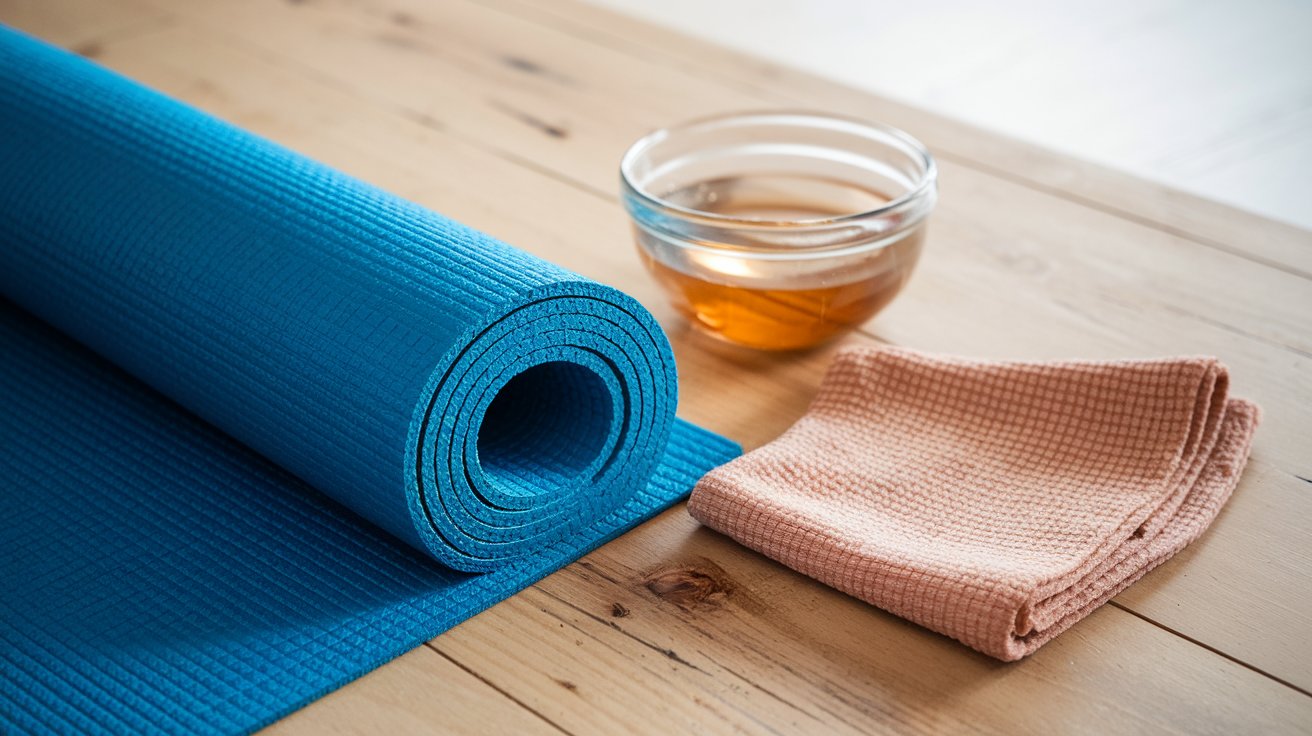
Create an effective daily cleaning spray by mixing one cup of water with two tablespoons of white vinegar and a few drops of tea tree oil in a spray bottle. This natural solution effectively kills bacteria and eliminates odors without harsh chemicals. Spray the mixture evenly across your mat’s surface, let it sit for 30 seconds, then wipe clean with a microfiber cloth. This method works excellently for most mat materials and costs less than $5 to make.
Using Wet Wipes for Quick Cleaning
When asking is it OK to use a wet wipe to clean my yoga mat, the answer depends on the wipe type. Use alcohol-free, gentle wipes specifically designed for yoga equipment. Avoid antibacterial wipes containing harsh chemicals that can break down mat materials. Quality yoga mat wipes cost $8-15 for a pack of 70 and provide convenient on-the-go cleaning for studio practices or travel.
Deep Cleaning Your Yoga Mat at Home
Weekly or monthly deep cleaning removes accumulated dirt, oils, and bacteria that daily maintenance cannot eliminate. Deep cleaning methods vary based on your mat’s material and the level of cleaning required.
Bathtub Deep Clean Method
Learning how to clean a yoga mat in the bathtub is essential for thorough sanitization. Fill your bathtub with warm water and add 2-3 tablespoons of gentle dish soap or specialized yoga mat cleaner. Submerge your mat completely and let it soak for 10-15 minutes. Use a soft brush or cloth to gently scrub both sides, focusing on heavily soiled areas. This method works best for PVC and TPE mats, providing deep cleaning that removes embedded dirt and oils.
Baking Soda Deep Cleaning Treatment
For stubborn odors and stains, create a paste using three parts baking soda and one part water. Apply this mixture to problem areas and let it sit for 30 minutes before scrubbing gently with a soft brush. Baking soda naturally deodorizes and sanitizes your yoga mat without harsh chemicals. Rinse thoroughly with clean water and ensure complete removal of all residue to prevent slippery surfaces during practice.
Can I Use Dawn Dish Soap on My Yoga Mat
The question can I use Dawn dish soap on my yoga mat is commonly asked, and the answer is yes, but with important considerations. Dawn’s gentle formula effectively removes oils and dirt without damaging most mat materials. Use only 1-2 drops mixed with warm water to avoid creating excessive suds that are difficult to rinse completely.
Avoid using antibacterial or scented Dawn varieties, as these may contain chemicals that can break down mat materials over time. Original Dawn dish soap works best for yoga mat cleaning, providing effective degreasing properties that remove body oils and sweat residue. Always rinse thoroughly to prevent soap buildup that could make your mat slippery.
Machine Washing Your Yoga Mat
Understanding how to clean yoga mat in washing machine is important, but this method should be used sparingly and only for specific mat types. Most yoga mat manufacturers advise against machine washing due to potential damage risks.
When Machine Washing Is Appropriate
Only attempt machine washing with thick, durable PVC mats that specifically state they are machine washable. Use cold water, gentle cycle, and mild detergent without fabric softener. Place the mat in a mesh laundry bag to prevent damage from the agitator. Never machine wash natural rubber, cork, or thin mats, as this can cause irreparable damage including tearing, warping, or material breakdown.
Alternative to Machine Washing
Instead of risking machine damage, opt for hand washing methods that provide better control over the cleaning process. The bathtub method or garden hose cleaning offers thorough results without the mechanical stress of washing machines. These methods are safer for all mat materials and allow you to target specific problem areas more effectively.
How to Dry Yoga Mat After Cleaning
Proper drying is crucial for preventing mold, mildew, and odor development. Learning how to dry yoga mat after cleaning correctly ensures your mat remains hygienic and maintains its structural integrity.
Never put your yoga mat in the dryer, as high heat can warp, shrink, or damage the material. Instead, lay your clean mat flat on a clean towel and gently press to remove excess water. Then hang it over a sturdy rod or lay it flat in a well-ventilated area away from direct sunlight, which can cause cracking or fading. Complete drying typically takes 24-48 hours depending on thickness and humidity levels.
Natural Cleaning Solutions for Eco-Friendly Mat Care
Many practitioners prefer learning how to clean a yoga mat naturally using environmentally friendly ingredients. Natural cleaning solutions are safer for both your health and the environment while providing effective sanitization.
Vinegar-Based Cleaning Solutions
White vinegar is an excellent natural disinfectant that kills 99% of bacteria and viruses. Mix equal parts water and white vinegar in a spray bottle for an effective natural cleaning solution. Add essential oils like lavender or eucalyptus to mask vinegar’s strong scent. This solution costs under $3 to make and provides powerful cleaning without synthetic chemicals that might irritate sensitive skin.
Essential Oil Antibacterial Blends
Create powerful antibacterial cleaning blends using tea tree, eucalyptus, or lemon essential oils. Mix 10-15 drops of essential oil with one cup of water and two tablespoons of witch hazel for an effective natural sanitizer. These oils have proven antimicrobial properties and leave your mat smelling fresh. Always test essential oil blends on a small mat area first to ensure they don’t affect the material.
Commercial Yoga Mat Cleaners Worth Buying
While homemade solutions work well, commercial yoga mat cleaners offer convenience and specialized formulations. In 2026, several brands offer effective, safe cleaning products specifically designed for yoga equipment. Quality commercial cleaners cost $8-20 and typically last 2-3 months with regular use.
Look for cleaners that are biodegradable, free from harsh chemicals, and suitable for your specific mat material. Popular brands like Manduka, Gaiam, and Natural Yoga offer specialized formulas that clean effectively without damaging delicate mat surfaces or leaving residue that affects grip.
Frequency and Maintenance Schedule
Establishing a proper cleaning schedule ensures your yoga mat remains hygienic and lasts longer. The frequency of cleaning depends on your practice intensity, environment, and personal preferences. Daily practitioners in hot yoga should clean after every session, while occasional users might clean weekly.
Create a maintenance routine: wipe down after each use, perform weekly deep cleaning for frequent users, and do monthly deep cleaning for occasional practitioners. Replace your mat every 12-18 months with regular use, or when it shows signs of wear like thinning, cracking, or permanent odors that cleaning cannot eliminate.
Related video about how to clean a yoga mat
This video complements the article information with a practical visual demonstration.
Frequently Asked Questions
What is the best way to clean a yoga mat?
The best way involves daily wiping with a natural spray solution made from water, white vinegar, and tea tree oil, followed by weekly deep cleaning using gentle dish soap and warm water. Always dry completely before storage to prevent mold and odors.
Do yoga mats need to be washed regularly?
Yes, yoga mats should be cleaned after each use to remove sweat, bacteria, and oils. Daily light cleaning with wipes or spray, plus weekly deep cleaning for frequent users, maintains hygiene and extends mat lifespan significantly.
Can I use Dawn dish soap on my yoga mat safely?
Yes, original Dawn dish soap is safe for most yoga mats when used sparingly. Mix 1-2 drops with warm water, avoid antibacterial varieties, and rinse thoroughly to prevent soap residue that could make your mat slippery during practice.
Is it safe to machine wash my yoga mat?
Only thick, durable PVC mats specifically labeled as machine washable should go in washing machines. Use cold water, gentle cycle, and no fabric softener. Never machine wash natural rubber, cork, or thin mats as this can cause permanent damage.
How long does it take for a yoga mat to dry completely?
Properly cleaned yoga mats typically take 24-48 hours to dry completely when hung or laid flat in a well-ventilated area. Avoid direct sunlight and never use a dryer, as heat can warp or damage the mat material.
Can I use wet wipes to clean my yoga mat?
Yes, but only use alcohol-free, gentle wipes designed for yoga equipment. Avoid antibacterial wipes with harsh chemicals that can break down mat materials. Yoga-specific wipes provide convenient cleaning for studio practice and travel.
| Cleaning Method | Best For | Frequency |
|---|---|---|
| Daily Spray Wipe | Regular maintenance, sweat removal | After each practice |
| Bathtub Deep Clean | Thorough sanitization, odor removal | Weekly or monthly |
| Natural Vinegar Solution | Eco-friendly daily cleaning | Daily or as needed |
| Baking Soda Treatment | Stubborn stains and odors | As needed |