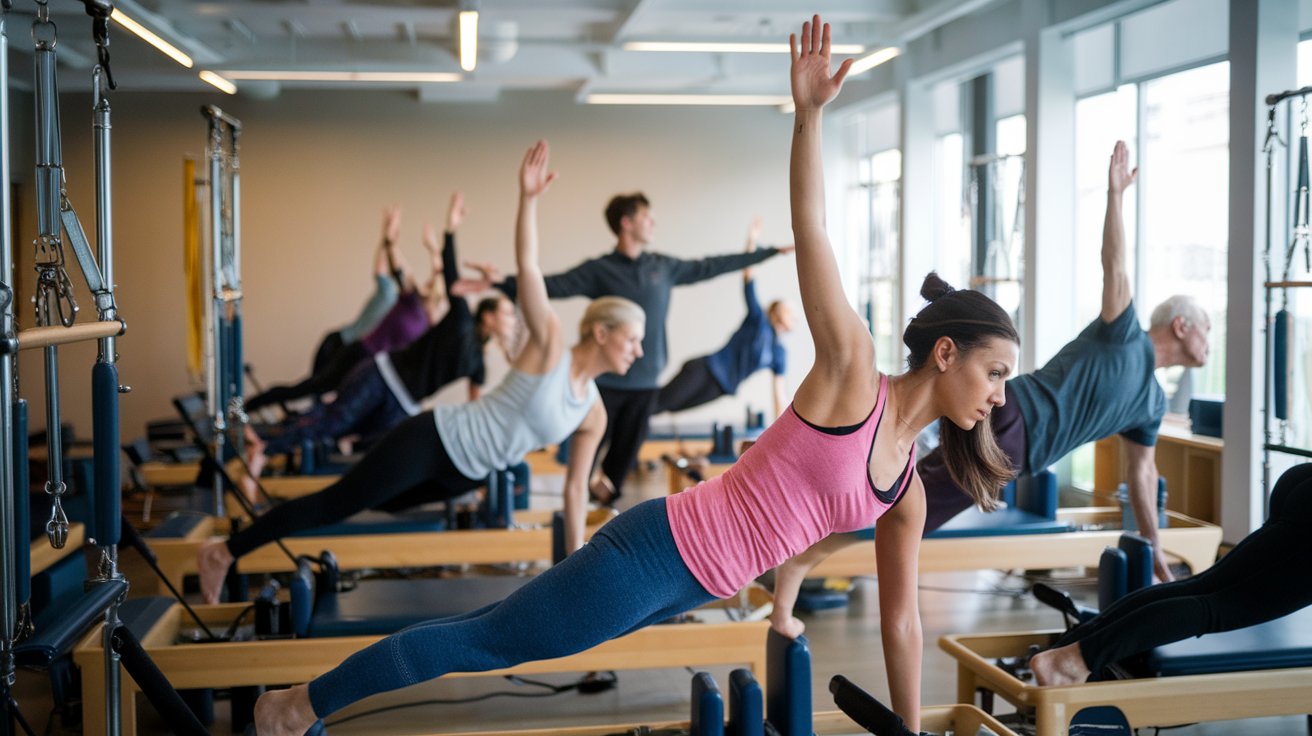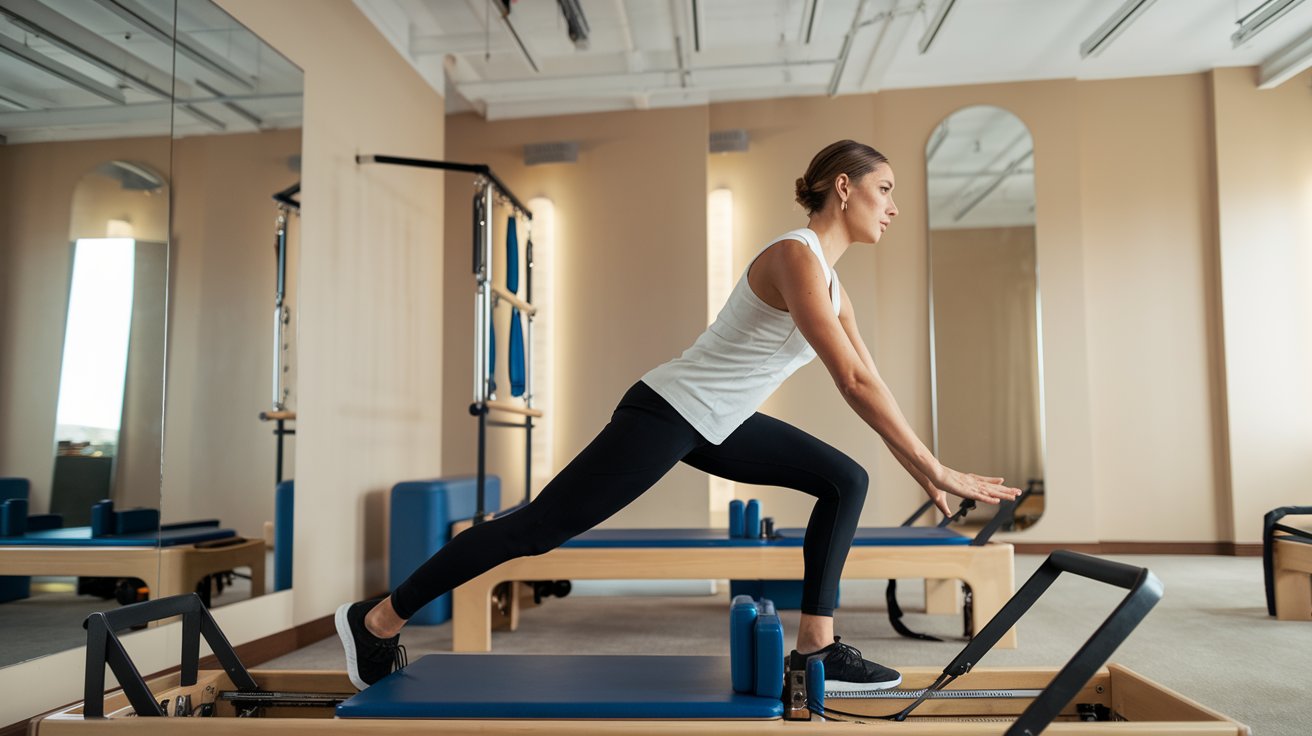
The optimal pilates frequency depends on your fitness goals, experience level, and physical condition. Most fitness experts recommend practicing pilates 2-3 times per week for beginners, while advanced practitioners can safely perform pilates 4-6 times weekly. This comprehensive guide explores evidence-based recommendations to help you determine the perfect pilates schedule for your lifestyle and fitness objectives in 2026.
Optimal Pilates Frequency for Different Experience Levels
Your pilates experience level significantly influences how frequently you should practice. Beginners need adequate recovery time between sessions to allow muscles to adapt and strengthen properly. Research from the American Council on Exercise shows that starting with 2 sessions per week reduces injury risk by 40% compared to more intensive schedules. As your body develops core strength and flexibility, you can gradually increase frequency without compromising safety or effectiveness.
Advanced practitioners have developed the muscular endurance and body awareness necessary for more frequent sessions. Their bodies have adapted to the pilates movements and can handle increased training volume. However, even experienced practitioners should incorporate rest days to prevent overuse injuries and maintain optimal performance levels throughout their practice.
Beginner Pilates Schedule Recommendations
New pilates practitioners should start with 2 pilates sessions per week, spacing them 2-3 days apart for optimal recovery. This frequency allows your nervous system to process new movement patterns while giving muscles time to repair and strengthen. Studies from the Pilates Method Alliance indicate that beginners who follow this schedule show 25% greater improvement in core strength compared to those practicing daily. Focus on mastering fundamental movements before increasing frequency.
Intermediate and Advanced Pilates Frequency
Intermediate practitioners can safely increase to 3-4 pilates sessions weekly after 2-3 months of consistent practice. Advanced students often practice 4-6 times per week, incorporating different pilates styles and apparatus work. Elite pilates instructors may practice daily, but they vary intensity levels and focus areas to prevent burnout. The key is listening to your body and adjusting frequency based on energy levels and recovery markers.
Pilates Frequency Based on Fitness Goals
Your specific fitness objectives should guide your pilates frequency decisions. Weight loss goals typically require 4-5 sessions weekly combined with cardiovascular exercise, while injury rehabilitation may necessitate daily gentle sessions under professional supervision. Flexibility improvement responds well to 3-4 weekly sessions, allowing consistent progress without overwhelming tight muscles and connective tissue.
Athletic performance enhancement benefits from targeted pilates training 3-4 times weekly, focusing on sport-specific movements and muscle imbalances. General fitness maintenance requires only 2-3 sessions per week, making pilates an sustainable long-term exercise choice. Understanding your primary goal helps optimize both frequency and session content for maximum results.
Weight Loss and Body Composition Goals
For significant weight loss through pilates, aim for 4-5 sessions weekly, each lasting 45-60 minutes. Combine mat pilates with reformer work to maximize caloric expenditure and muscle engagement. Research shows this frequency can burn 1,200-1,800 calories weekly through pilates alone, supporting healthy weight management when combined with proper nutrition and cardiovascular exercise.
Injury Prevention and Rehabilitation
Rehabilitation pilates often requires daily sessions initially, but these are typically shorter (20-30 minutes) and lower intensity. Physical therapists frequently prescribe daily pilates exercises for back pain, focusing on core stabilization and postural correction. As strength improves, frequency can reduce to 3-4 times weekly for maintenance and continued progress in injury prevention.
Signs You’re Doing Pilates Too Frequently
Recognizing overtraining symptoms is crucial for maintaining a sustainable pilates practice. Persistent muscle soreness lasting more than 48 hours, decreased performance, and loss of motivation indicate excessive frequency. Sleep disturbances, increased injury susceptibility, and plateaued progress are additional warning signs that you need more recovery time between sessions.
Mental fatigue and dreading pilates sessions suggest you’ve exceeded your optimal training frequency. The 2026 fitness guidelines emphasize the importance of recovery periods for both physical and mental wellbeing. Reducing frequency by 1-2 sessions weekly often resolves these issues and restores enthusiasm for your practice.
Factors That Influence Pilates Frequency
Several personal factors affect your ideal pilates training frequency. Age plays a significant role, with older adults typically requiring longer recovery periods between sessions. Current fitness level, stress levels, sleep quality, and nutrition all impact your body’s ability to recover and adapt to pilates training. Chronic health conditions may necessitate modified frequencies under professional guidance.
Seasonal variations and lifestyle demands also influence optimal training schedules. High-stress periods may require reduced pilates frequency to prevent additional physical stress, while vacation periods might allow for intensive pilates retreats or workshops. The key is flexibility and honest assessment of your current capacity for training and recovery.
Age and Recovery Considerations
Adults over 50 typically benefit from 3 pilates sessions weekly with emphasis on longer recovery periods. Hormonal changes, decreased muscle mass, and slower tissue repair require adjusted training frequencies. However, consistent pilates practice becomes increasingly important for maintaining bone density, balance, and functional mobility as we age.
Lifestyle and Schedule Factors
Busy professionals often succeed with 2-3 weekly pilates sessions scheduled consistently at the same times. Shift workers may need flexible scheduling with varying frequencies based on work rotation. Parents with young children often prefer shorter, more frequent sessions (20-30 minutes daily) over longer weekly sessions to accommodate unpredictable schedules.
Creating Your Personalized Pilates Schedule
Developing an effective pilates routine requires honest assessment of your current fitness level, available time, and specific goals. Start conservatively with 2 sessions weekly, then gradually increase frequency as your body adapts. Track your progress, energy levels, and recovery to identify your optimal training frequency over time.
Successful pilates practitioners often vary their session types throughout the week, combining mat pilates with equipment work, gentle sessions with challenging workouts, and group classes with private instruction. This variety prevents monotony while addressing different aspects of fitness and skill development.
Common Pilates Frequency Mistakes to Avoid
Many beginners make the mistake of practicing pilates daily immediately, leading to burnout and potential injury. Another common error is inconsistent scheduling, practicing intensively for short periods followed by long breaks. This approach prevents proper adaptation and skill development, reducing pilates effectiveness significantly.
Ignoring body signals and pushing through fatigue represents another frequent mistake. Quality always trumps quantity in pilates training. Two high-quality sessions weekly produce better results than six poorly executed sessions. Focus on proper form, breathing, and mind-body connection rather than simply accumulating practice hours.
Professional Guidance for Optimal Frequency
Working with a certified pilates instructor helps determine your ideal practice frequency based on individual assessment and goals. Instructors can identify muscle imbalances, movement compensations, and areas requiring additional attention. They provide valuable feedback on when to increase or decrease training frequency based on your progress and physical responses.
Regular check-ins with qualified professionals ensure your pilates program evolves appropriately as your fitness improves. Instructors can recommend specific session types, intensities, and frequencies to maximize results while minimizing injury risk. This personalized approach significantly improves long-term adherence and satisfaction with your pilates practice.
Related video about how often should you do pilates
This video complements the article information with a practical visual demonstration.
Essential Q&A about how often should you do pilates
Can I do pilates every day as a beginner?
No, beginners should start with 2-3 pilates sessions per week, allowing 1-2 rest days between sessions for proper muscle recovery and adaptation. Daily practice increases injury risk and can lead to burnout before establishing proper form and technique.
How long should I wait between pilates sessions?
Allow 24-48 hours between pilates sessions for optimal recovery, especially for beginners. Advanced practitioners may practice on consecutive days by varying intensity levels and focusing on different muscle groups during each session.
Is it better to do pilates 3 times a week or 6 shorter sessions?
For most people, 3 longer sessions (45-60 minutes) weekly provide better results than 6 short sessions. Longer sessions allow proper warm-up, skill development, and cool-down phases essential for pilates effectiveness and safety.
What happens if I miss my regular pilates sessions?
Missing 1-2 sessions won’t significantly impact your progress, but consistency is key for continued improvement. If you miss a week, restart at your previous frequency rather than trying to make up missed sessions, which can lead to overexertion.
Should I combine pilates with other exercise forms?
Yes, pilates complements cardiovascular exercise and strength training excellently. Practice pilates 2-3 times weekly while incorporating other activities on alternate days for comprehensive fitness development and reduced exercise monotony.
How do I know if I’m doing pilates too often?
Signs of excessive pilates frequency include persistent muscle soreness beyond 48 hours, decreased performance, loss of motivation, sleep disturbances, and plateaued progress. Reduce frequency by 1-2 sessions weekly if experiencing these symptoms.
| Experience Level | Recommended Frequency | Primary Benefits |
|---|---|---|
| Beginner | 2-3 times per week | Safe progression and skill development |
| Intermediate | 3-4 times per week | Strength building and technique refinement |
| Advanced | 4-6 times per week | Mastery and performance optimization |
| Rehabilitation | Daily (short sessions) | Injury recovery and prevention |