Starting yoga as a beginner can feel overwhelming, but it’s one of the most rewarding wellness practices you can adopt. In 2026, yoga continues to grow rapidly across the United States, with over 36 million Americans practicing regularly. This comprehensive guide will walk you through everything you need to know about how to start yoga as a beginner, from understanding basic poses to developing a sustainable home practice that fits your lifestyle and fitness level.
Understanding Yoga Fundamentals for Beginners
Before diving into poses, it’s essential to understand what yoga truly represents. Yoga originated thousands of years ago as a holistic practice combining physical postures, breathing techniques, and mindfulness. For beginners, yoga offers incredible benefits including improved flexibility, reduced stress, and better sleep quality. Recent 2026 studies show that consistent yoga practice can significantly lower cortisol levels, the stress hormone that affects millions of Americans daily.
The beauty of yoga lies in its accessibility – you don’t need expensive equipment or perfect flexibility to begin. Free yoga for beginners resources are abundant online, making it easier than ever to start your journey. Understanding that yoga is a personal practice, not a competition, sets the foundation for a sustainable and enjoyable experience.
Core Principles of Yoga Practice
The core of yoga extends beyond physical movement to include breath awareness, mindfulness, and self-acceptance. As a beginner, focus on these fundamental principles: ahimsa (non-violence toward yourself), santosha (contentment), and pranayama (breath control). These concepts help create a balanced approach to your practice, ensuring you honor your body’s limits while gradually building strength and flexibility.
Setting Realistic Expectations
Many beginners expect immediate flexibility or stress relief, but yoga is a gradual process. Start with acceptance of where you are today, understanding that progress comes through consistent practice rather than perfect poses. This mindset shift is particularly important for Americans who often approach fitness with an all-or-nothing mentality. Remember that even 10 minute yoga for beginners can provide significant benefits when practiced regularly.
Essential Breathing Techniques for New Practitioners
Proper breathing forms the foundation of all yoga practice. Breathing techniques, or pranayama, help regulate your nervous system and can significantly impact your stress levels. Research from 2026 indicates that controlled breathing exercises can reduce cortisol production by up to 25% in just eight weeks of practice. For beginners, mastering basic breath work is more important than achieving perfect poses.
The most fundamental technique is diaphragmatic breathing, where you breathe deeply into your belly rather than your chest. This simple practice activates your parasympathetic nervous system, promoting relaxation and reducing anxiety. Start each practice session with five minutes of conscious breathing to center yourself and prepare your body for movement.
Basic Yoga Poses Every Beginner Should Master
Learning basic yoga poses provides the building blocks for your entire practice. These foundational postures focus on alignment, strength, and flexibility while being accessible to most fitness levels. Yoga for beginners female practitioners often find these poses particularly beneficial for addressing common issues like tight hips from desk work or tension in the shoulders and neck.
The best approach is to master 8-10 fundamental poses before progressing to more advanced variations. This methodical progression prevents injury and builds confidence in your practice.
Standing Poses for Strength and Stability
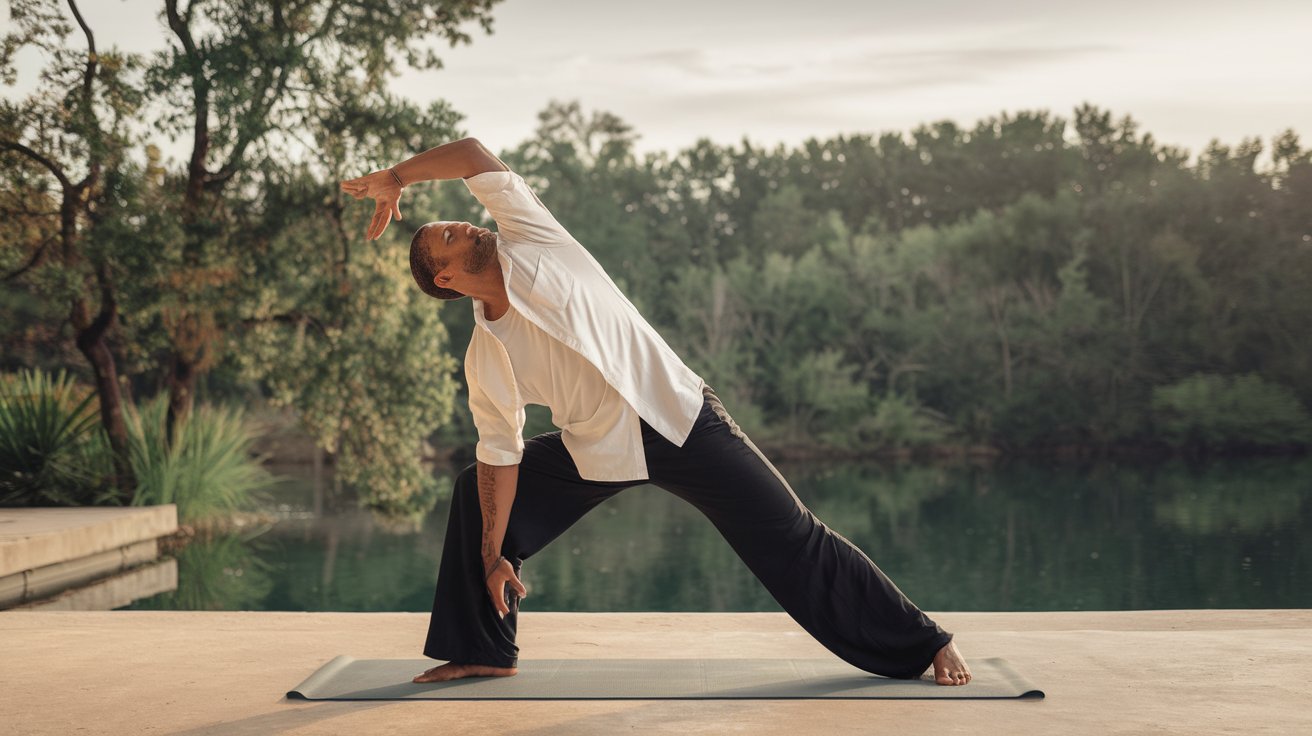
Standing poses like Mountain Pose, Warrior I, and Triangle Pose form the foundation of most yoga sequences. These postures build leg strength, improve balance, and teach proper alignment principles that carry into all other poses. Start with holding each pose for 30 seconds, gradually increasing to one minute as your strength and endurance improve. Focus on grounding through your feet and maintaining steady breathing throughout each posture.
Seated and Floor Poses for Flexibility
Seated poses like Easy Pose, Seated Forward Fold, and Child’s Pose offer opportunities to work on flexibility while learning to be comfortable in stillness. These postures are particularly beneficial for beginners yoga for flexibility goals. They also provide moments of introspection and breath awareness, essential components of a well-rounded practice.
Creating Your Home Yoga Practice in 2026
Learning how to start yoga as a beginners at home has become increasingly popular, especially following the wellness trends of recent years. Home practice offers convenience, privacy, and the ability to progress at your own pace. Creating a dedicated space, even just a corner of a room, signals to your mind that this practice is important and helps establish consistency.
Technology has made home practice more accessible than ever. High-quality online classes, mobile apps, and virtual instructors provide guidance that rivals in-person instruction. Many practitioners find that combining home practice with occasional studio classes offers the best of both worlds – consistency and community.
Essential Equipment for Home Practice
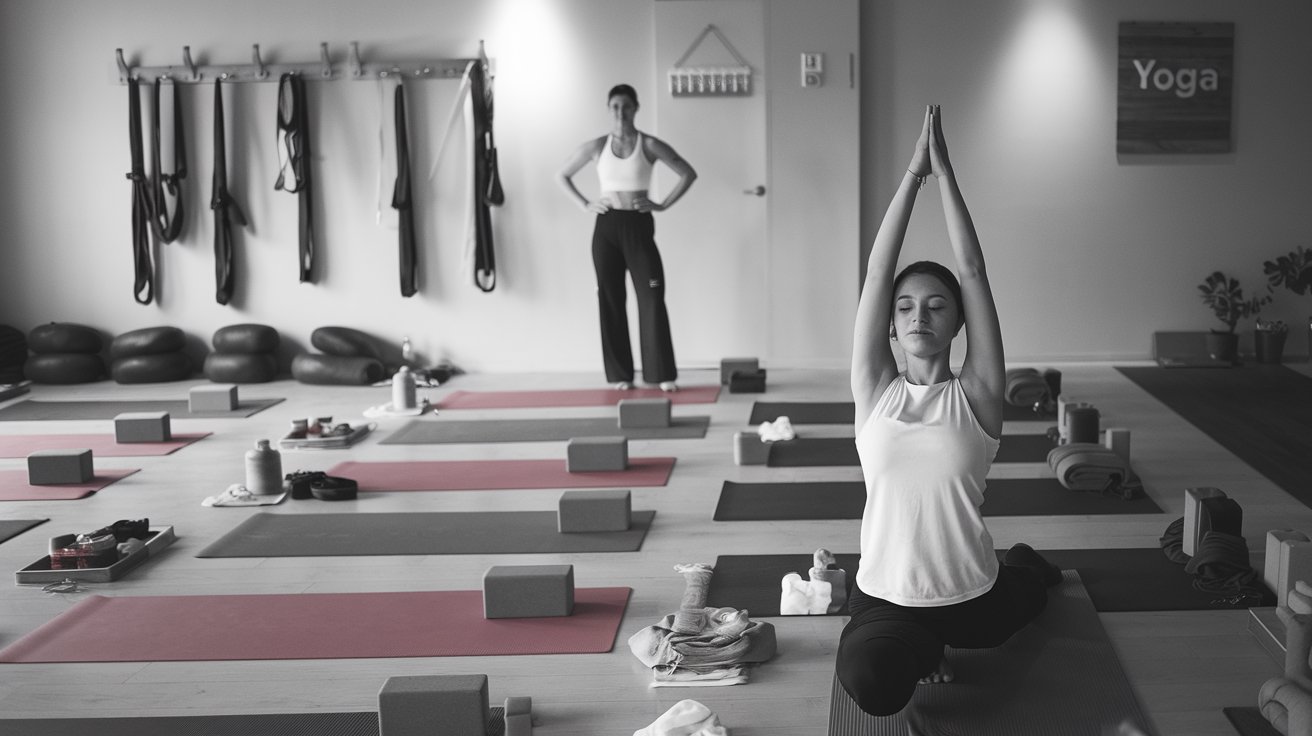
While yoga requires minimal equipment, having the right tools enhances safety and comfort. A quality yoga mat, blocks for support, and a strap for deeper stretches comprise the basic toolkit. These items typically cost under $60 and last for years with proper care. Many free yoga for beginners resources include modifications using household items like books or towels when specialized props aren’t available.
Structuring Effective Home Sessions
Effective home practice follows a simple structure: warm-up, standing poses, seated poses, and relaxation. Even a 10 minute yoga for beginners session following this format provides comprehensive benefits. Start with shorter sessions to build the habit, then gradually increase duration as your stamina improves. Consistency trumps intensity in yoga practice.
Yoga Benefits for Specific Health Concerns
Yoga offers targeted benefits for various health concerns prevalent in American adults. Research continues to demonstrate yoga’s effectiveness in managing chronic conditions, improving mental health, and supporting healthy aging. Understanding these specific benefits can help motivate consistent practice and inform your choice of yoga styles and sequences.
Yoga for Stress Management and Cortisol Reduction
Chronic stress affects over 75% of American adults, making stress management a critical health priority. Regular yoga practice can significantly lower cortisol levels through its combination of physical movement, breathing exercises, and mindfulness. Studies from 2026 show that participants who practiced yoga three times weekly experienced a 23% reduction in cortisol levels within six weeks, leading to improved sleep, better mood, and enhanced immune function.
Addressing Age-Related Health Challenges
As Americans age, concerns about muscle loss and bone density become more prominent. Yoga can help with sarcopenia, the age-related loss of muscle mass and strength, through its weight-bearing poses and isometric holds. Additionally, certain yoga poses and breathing techniques may support prostate health through improved circulation and stress reduction, though practitioners should consult healthcare providers for specific medical concerns.
Finding the Right Yoga Style and Classes
With numerous yoga styles available, choosing the right one can feel overwhelming for beginners. Which yoga is best depends on your goals, fitness level, and personal preferences. Hatha yoga offers gentle, slow-paced instruction perfect for beginners, while Vinyasa provides more dynamic movement linking breath with pose transitions. Restorative yoga focuses on relaxation and stress relief, making it ideal for those seeking therapeutic benefits.
When seeking beginner classes, look for studios or instructors who emphasize proper alignment, offer modifications, and create welcoming environments. Many studios in the United States now offer specialized beginner programs that span 4-6 weeks, providing comprehensive introduction to yoga fundamentals. Online platforms also offer structured beginner programs that you can complete at your own pace.
Building Consistency and Long-term Success
The key to yoga success lies in developing a sustainable practice that fits your lifestyle. Rather than aiming for daily hour-long sessions, start with 15-20 minute practices three times per week. This approach builds the habit without overwhelming your schedule or causing burnout. Tracking your practice in a journal or app can provide motivation and help you notice improvements in flexibility, strength, and mental clarity over time.
Remember that yoga is a lifelong journey rather than a destination. Some days your practice will feel strong and fluid, while others may feel challenging or sluggish. Both experiences are normal and valuable. The goal is to show up consistently, listen to your body, and maintain a sense of curiosity and self-compassion throughout your yoga journey.
Related video about how to start yoga as a beginner
This video complements the article information with a practical visual demonstration.
Your questions answered
How should a beginner start yoga at home?
Start with basic poses like Mountain Pose, Downward Dog, and Child’s Pose. Use online beginner videos, practice 10-15 minutes daily, and focus on proper breathing. Invest in a quality yoga mat and listen to your body to avoid injury. Consistency matters more than perfection.
Can yoga help with sarcopenia and muscle loss?
Yes, yoga can help combat sarcopenia through weight-bearing poses and isometric holds that build muscle strength and bone density. Poses like Warrior sequences, planks, and balancing postures engage multiple muscle groups, helping maintain muscle mass as we age.
How often should beginners practice yoga to see benefits?
Beginners should aim for 3-4 sessions per week, starting with 15-20 minutes each. This frequency allows the body to adapt while building consistency. Benefits like improved flexibility, reduced stress, and better sleep often appear within 2-4 weeks of regular practice.
What yoga style is best for complete beginners?
Hatha yoga is ideal for beginners as it focuses on basic postures held for several breaths, allowing time to learn proper alignment. Gentle or restorative yoga are also excellent starting points, emphasizing relaxation and stress relief over physical intensity.
Can yoga help lower cortisol levels effectively?
Research shows yoga can reduce cortisol levels by 23-25% within 6-8 weeks of regular practice. The combination of physical movement, controlled breathing, and mindfulness activates the parasympathetic nervous system, naturally reducing stress hormones and promoting relaxation.
Do I need special equipment to start yoga at home?
A yoga mat is the only essential equipment for beginners. Optional props like blocks, straps, and bolsters can enhance comfort and safety but aren’t necessary initially. Many poses can be modified using household items like books or towels until you invest in proper equipment.
| Key Aspect | Important Details | Benefit |
|---|---|---|
| Practice Frequency | 3-4 times per week, 15-20 minutes | Builds consistency without burnout |
| Essential Poses | Mountain, Downward Dog, Child’s Pose | Foundation for all yoga practice |
| Breathing Focus | Diaphragmatic breathing, 5 minutes daily | Reduces cortisol by 25% |
| Best Yoga Style | Hatha or gentle yoga for beginners | Proper alignment and safe progression |
| Home Practice Setup | Quality mat, quiet space, online guidance | Convenience and privacy for learning |