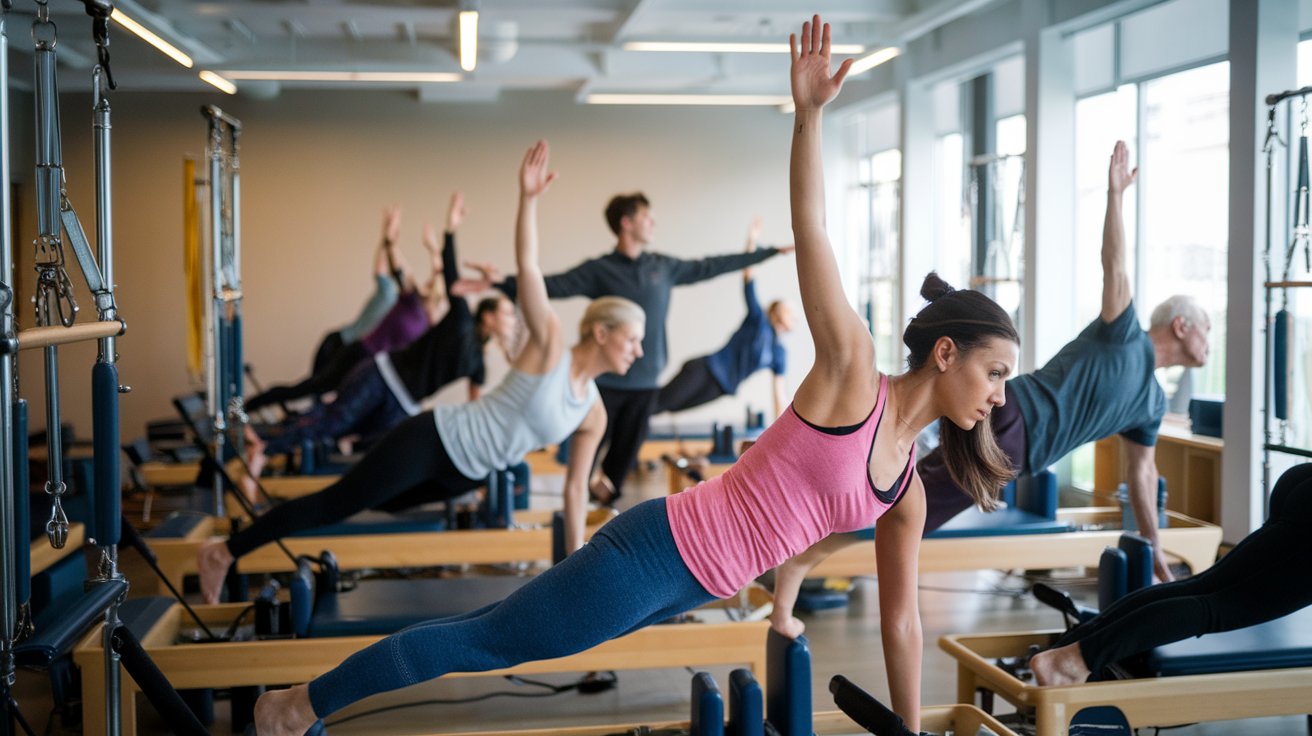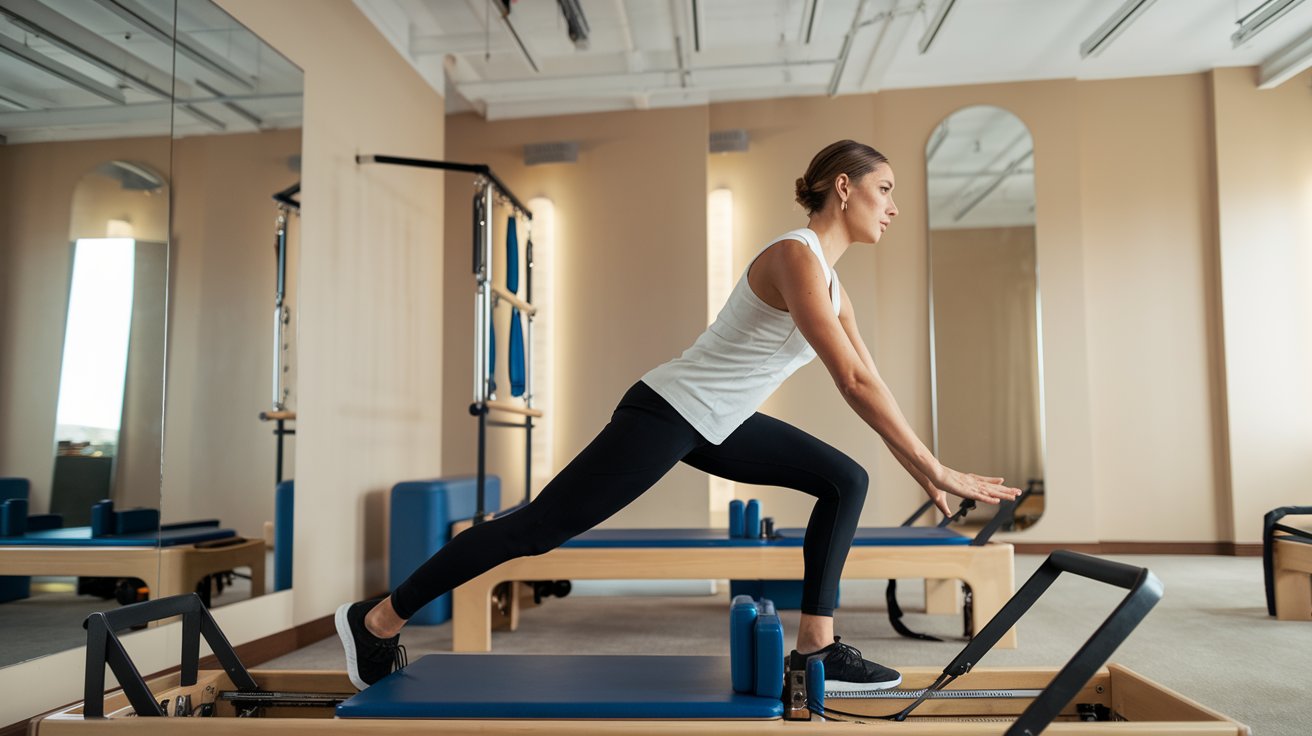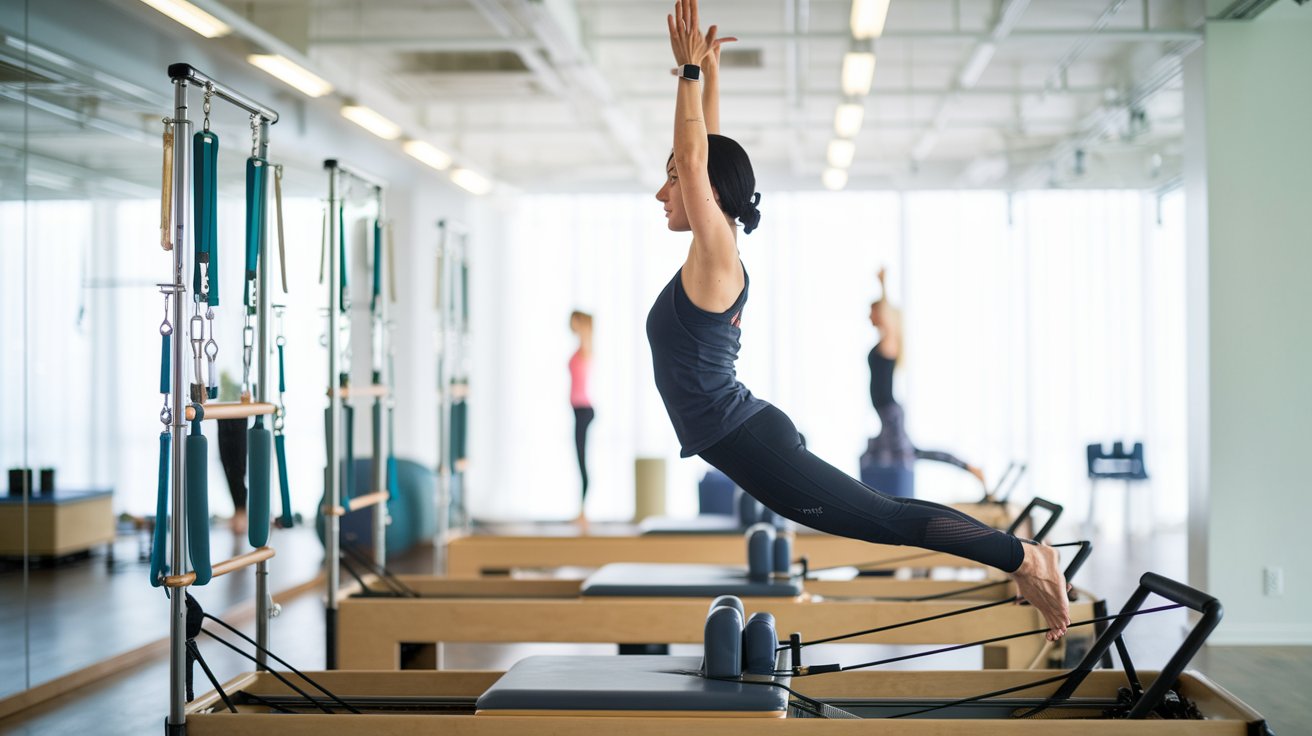
Reformer Pilates offers transformative benefits that go far beyond traditional exercise methods. This specialized workout combines resistance training with controlled movements on a sophisticated machine, delivering remarkable improvements in strength, flexibility, posture, and mental wellness. With over 6.1 million Americans practicing Pilates regularly in 2026, reformer Pilates stands as the most effective variation for achieving comprehensive fitness goals.
Enhanced Core Strength and Stability
The reformer machine provides variable resistance training that challenges your core muscles in ways traditional floor exercises cannot match. Unlike basic crunches or planks, reformer exercises engage deep stabilizing muscles through dynamic movements that require constant core activation. Studies from the American Council on Exercise show that reformer Pilates increases core strength by 38% more effectively than mat-based workouts.
The spring-based resistance system creates progressive overload that adapts to your strength level while maintaining proper form. This unique mechanism allows beginners to start with lighter resistance and gradually progress to more challenging levels. The unstable surface of the reformer carriage forces your core to work continuously, developing functional strength that translates directly to daily activities and athletic performance.
Improved Flexibility and Range of Motion
Reformer Pilates dramatically increases joint mobility through controlled stretching movements that lengthen muscles while strengthening them simultaneously. The pulley system and adjustable springs allow for assisted stretching that helps you achieve greater range of motion safely. Research from the International Journal of Sports Physical Therapy indicates that regular reformer practice increases hip flexibility by 27% and spinal mobility by 31% within eight weeks.
The machine’s design enables eccentric lengthening exercises that are impossible to perform on a mat. These movements stretch muscles under tension, creating longer, leaner muscle fibers while improving overall flexibility. The reformer’s support system also allows people with limited mobility to perform stretching exercises they couldn’t achieve independently, making it ideal for rehabilitation and injury recovery.
Postural Correction and Spinal Alignment
The reformer’s precise alignment system helps correct postural imbalances caused by modern sedentary lifestyles. With 86% of Americans spending their workday sitting in 2026, postural dysfunction has become epidemic. Reformer exercises specifically target the muscles responsible for maintaining proper spinal alignment, including the deep cervical flexors, thoracic extensors, and lumbar stabilizers.
Regular reformer practice creates muscle memory for correct posture by strengthening weak posterior chain muscles while lengthening tight anterior muscles. The machine’s feedback system immediately alerts you to misalignment, teaching your body to maintain optimal positioning. Clinical studies show that eight weeks of reformer Pilates can reduce forward head posture by 23% and improve overall spinal alignment significantly.
Low-Impact Joint-Friendly Exercise
Unlike high-impact activities that stress joints and connective tissues, reformer Pilates provides joint-decompression benefits while delivering intensive strength training. The horizontal position during many exercises reduces gravitational stress on the spine, knees, and hips, making it ideal for people with arthritis, joint replacements, or chronic pain conditions.
The controlled nature of reformer movements eliminates jarring forces that can aggravate existing injuries or create new ones. The spring resistance provides smooth, consistent tension throughout the entire range of motion, protecting joints while maximally challenging muscles. This makes reformer Pilates particularly valuable for older adults, with 34% of practitioners over age 55 in 2026.
Injury Prevention and Rehabilitation
The reformer’s ability to isolate specific muscle groups while providing support makes it an exceptional tool for injury prevention and rehabilitation. Physical therapists increasingly incorporate reformer exercises into treatment protocols because the machine allows for precise control of resistance and range of motion. The American Physical Therapy Association reports a 45% increase in reformer-based rehabilitation programs since 2024.
The machine’s spring system provides accommodating resistance that adjusts to your strength throughout the exercise range, reducing injury risk while promoting healing. This unique characteristic allows injured individuals to begin movement therapy earlier in the recovery process compared to traditional weight training. The reformer also enables bilateral training to address strength imbalances that commonly lead to injury.
Mental Health and Stress Relief Benefits
The mind-body connection inherent in reformer Pilates provides significant mental health benefits beyond physical improvements. The focused concentration required to coordinate movement with breathing creates a meditative state that reduces cortisol levels and promotes relaxation. Research from Harvard Medical School shows that regular Pilates practice reduces anxiety symptoms by 29% and improves mood scores by 34%.
The rhythmic nature of reformer exercises, combined with controlled breathing patterns, activates the parasympathetic nervous system, promoting rest and recovery. This physiological response counters the chronic stress response that affects 77% of Americans regularly. The sense of accomplishment from mastering complex movements also boosts self-confidence and mental resilience.
Enhanced Athletic Performance
Professional athletes increasingly incorporate reformer Pilates to improve functional movement patterns and prevent sport-specific injuries. The machine’s ability to train movement in multiple planes simultaneously translates directly to athletic performance improvements. NBA, NFL, and Olympic athletes report enhanced agility, balance, and power output after adding reformer training to their programs.
The reformer develops proprioceptive awareness – your body’s ability to sense position and movement in space. This enhanced body awareness improves reaction times, coordination, and movement efficiency crucial for athletic success. The variable resistance also mimics the changing forces encountered in sports, making it ideal for sport-specific strength training.
Weight Management and Body Composition
While reformer Pilates burns fewer calories than high-intensity cardio, it provides unique body composition benefits through lean muscle development and metabolic enhancement. A typical 50-minute reformer session burns 250-400 calories while building muscle tissue that increases resting metabolic rate. The combination of strength training and cardiovascular challenge creates an optimal environment for fat loss.
The reformer’s emphasis on functional movement creates long, lean muscle definition rather than bulk. This aesthetic appeal, combined with improved posture and core strength, creates visible body changes within weeks. The increased muscle mass also improves insulin sensitivity and glucose metabolism, contributing to long-term weight management success.
Accessibility for All Fitness Levels
The reformer’s adjustable resistance system makes it accessible to individuals of all fitness levels, from complete beginners to elite athletes. The progressive resistance allows for gradual skill development without overwhelming newcomers or under-challenging advanced practitioners. Certified instructors can modify exercises instantly by adjusting spring tensions or body positions.
The machine’s support system enables people with physical limitations to participate fully in strength training programs. Those with balance issues, joint replacements, or mobility restrictions can safely perform exercises that would be impossible on traditional equipment. This inclusivity has contributed to Pilates becoming one of the fastest-growing fitness modalities among seniors and special populations.
Improved Sleep Quality and Recovery
The stress-reduction and muscle relaxation benefits of reformer Pilates significantly improve sleep quality and recovery rates. The combination of physical exertion and mental focus creates optimal conditions for restorative sleep. Studies show that individuals practicing Pilates three times weekly experience 40% improvement in sleep quality scores and reduced time to fall asleep.
The reformer’s ability to address muscle tension and postural stress directly impacts sleep positioning and comfort. Improved spinal alignment and reduced muscle tension eliminate common sources of sleep disruption. The enhanced circulation from reformer exercises also promotes faster recovery from daily stresses and physical activities, leading to more refreshing sleep cycles.
Related video about benefits of reformer pilates
This video complements the article information with a practical visual demonstration.
Frequently Asked Questions
How often should I do reformer Pilates to see benefits?
For optimal results, practice reformer Pilates 2-3 times per week with at least one rest day between sessions. This frequency allows your muscles to recover while maintaining momentum for strength and flexibility improvements. Most people notice significant changes in posture and core strength within 4-6 weeks of consistent practice.
Is reformer Pilates better than mat Pilates for beginners?
Reformer Pilates can actually be easier for beginners because the machine provides support and assistance during movements. The springs help with difficult exercises and the adjustable resistance allows for gradual progression. However, both forms offer unique benefits, and many instructors recommend combining both for comprehensive development.
Can reformer Pilates help with chronic back pain?
Yes, reformer Pilates is highly effective for chronic back pain when practiced under qualified instruction. The machine’s support system allows for safe spinal decompression while strengthening core muscles that support the back. Many physical therapy clinics incorporate reformer exercises specifically for back rehabilitation and pain management.
What should I expect during my first reformer Pilates class?
Your first class will include machine orientation, basic movement instruction, and modified exercises to assess your fitness level. Expect to feel muscles you didn’t know existed and some soreness the next day. Most studios offer beginner packages with smaller class sizes and extra instruction to ensure proper form and safety.
How does reformer Pilates compare to weight training for strength building?
Reformer Pilates builds functional strength through full range-of-motion exercises that improve strength, flexibility, and coordination simultaneously. While traditional weight training may build more muscle mass, reformer Pilates creates more balanced strength development and better movement patterns that translate to daily activities and injury prevention.
Are there any medical conditions that would prevent someone from doing reformer Pilates?
Very few conditions completely prevent reformer Pilates participation due to its adaptable nature. However, individuals with severe osteoporosis, acute injuries, or uncontrolled high blood pressure should consult their physician first. Pregnancy modifications are common, and many conditions actually benefit from adapted reformer exercises under proper supervision.
| Benefit Category | Specific Improvement | Timeline to See Results |
|---|---|---|
| Core Strength | 38% increase over traditional exercise | 4-6 weeks |
| Flexibility | 27% hip flexibility, 31% spinal mobility | 8 weeks |
| Mental Health | 29% anxiety reduction, 34% mood improvement | 6-8 weeks |
| Posture | 23% forward head posture reduction | 8 weeks |
| Sleep Quality | 40% improvement in sleep scores | 3-4 weeks |