Mat Pilates is a form of floor-based exercise that focuses on core strength, flexibility, and body alignment using only a mat and your body weight. This accessible fitness method combines controlled movements, precise breathing techniques, and mental concentration to create a comprehensive workout system that strengthens your entire body while improving posture and reducing stress.
Understanding Mat Pilates Fundamentals
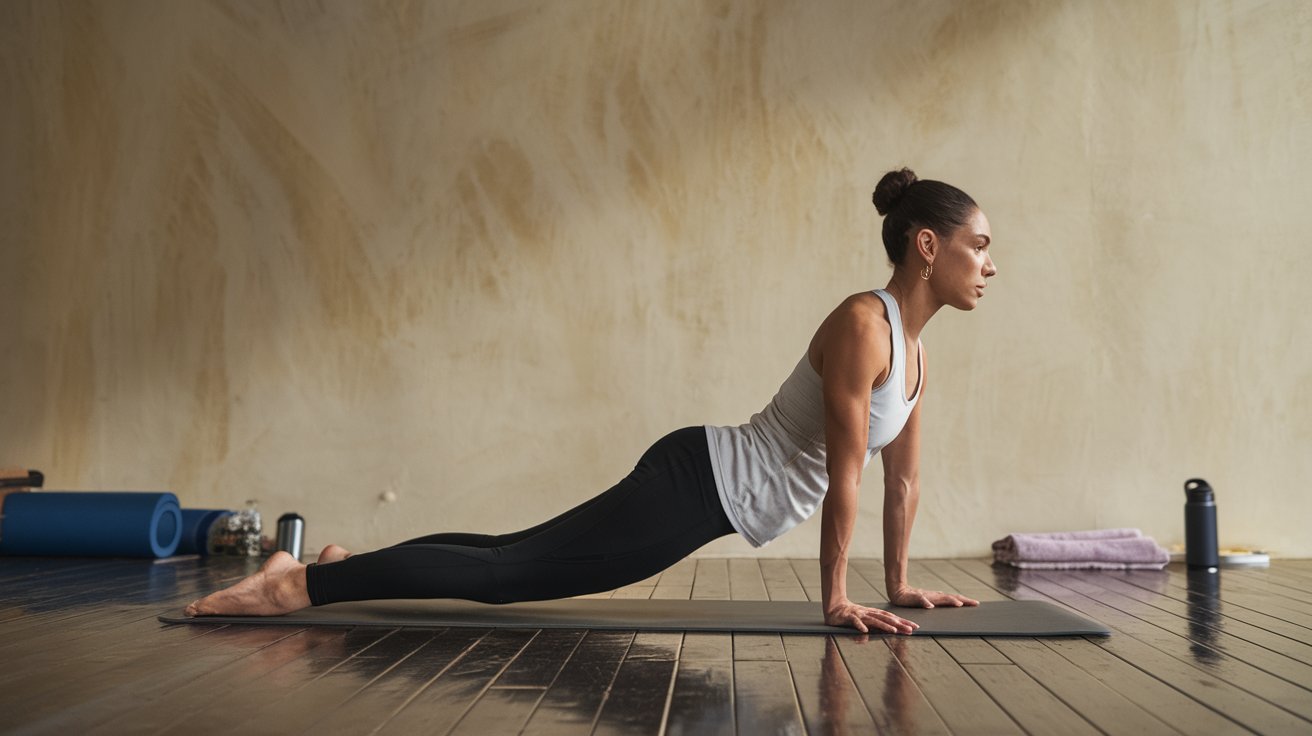
Mat Pilates represents the foundation of the Pilates method originally developed by Joseph Pilates in the early 20th century. This practice involves performing a series of controlled movements on a mat, using gravity and body weight as resistance. Unlike other forms of Pilates that require specialized equipment, mat Pilates relies solely on precise movements and proper form to build strength, flexibility, and body awareness.
The beauty of mat Pilates lies in its accessibility and effectiveness. Studies from the American Council on Exercise show that regular mat Pilates practice can improve core strength by up to 34% within eight weeks. This makes it an ideal choice for beginners and experienced practitioners alike, offering modifications for every fitness level while maintaining the integrity of the original Pilates principles.
Core Principles of Mat Pilates
Mat Pilates operates on six fundamental principles that distinguish it from other exercise forms. Concentration requires complete mental focus on each movement, while control emphasizes quality over quantity in every exercise. Centering involves initiating all movements from your powerhouse – the core muscles that include your abdominals, lower back, hips, and glutes.
Breathing Techniques in Mat Pilates
Proper breathing serves as the cornerstone of effective mat Pilates practice. The method employs lateral thoracic breathing, where you expand your ribcage sideways while keeping your core engaged. This breathing pattern helps maintain core stability throughout movements while oxygenating your muscles and promoting relaxation.
Mat Pilates vs. Equipment-Based Pilates
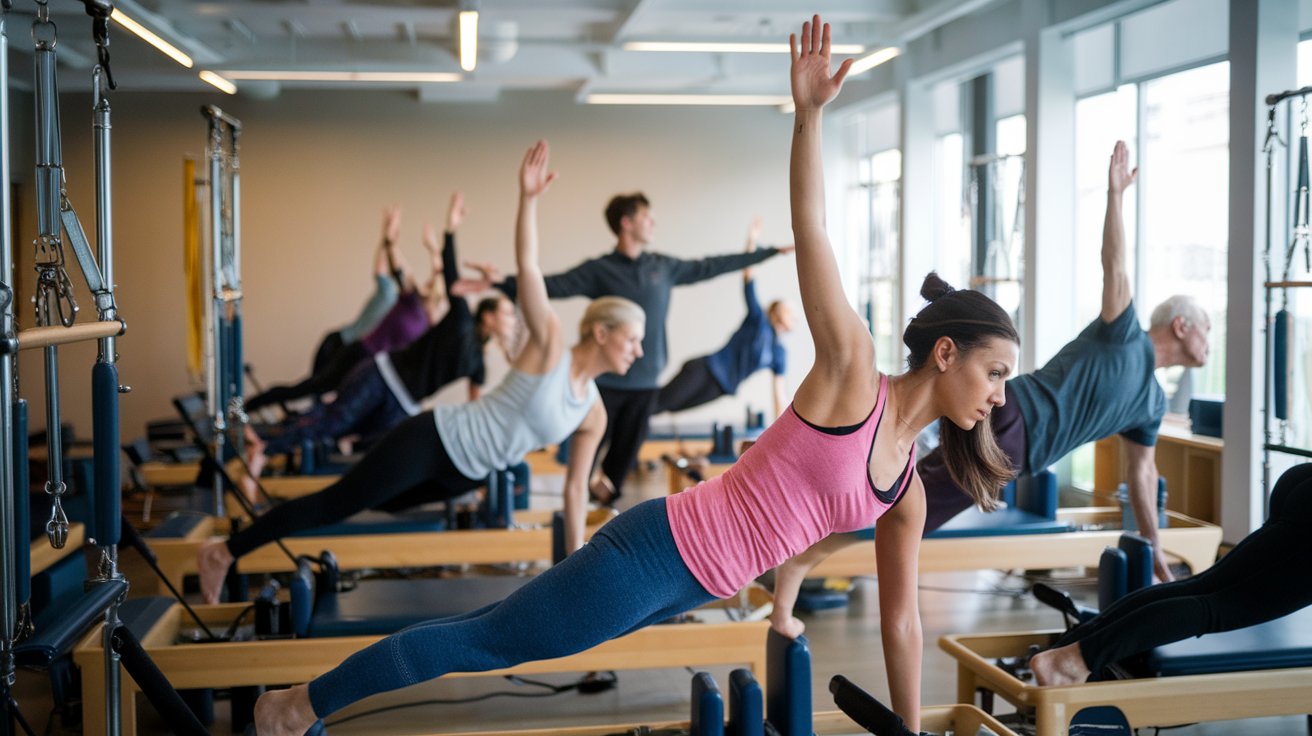
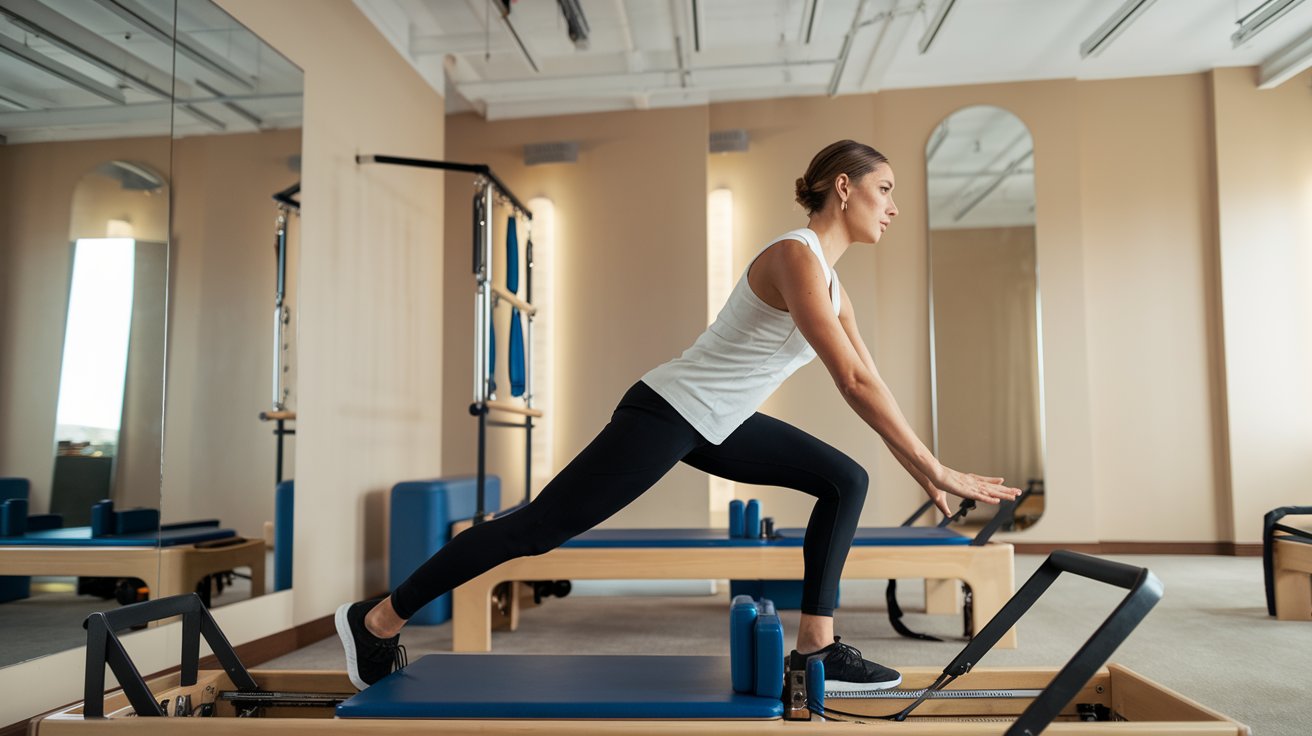
The primary difference between mat Pilates and equipment-based Pilates lies in resistance and support systems. Mat Pilates exercises rely entirely on body weight and gravity for resistance, making them more challenging in terms of stability and control. Equipment-based Pilates uses reformers, chairs, and other apparatus that provide assistance or additional resistance through springs and pulleys.
According to the Pilates Method Alliance, mat Pilates offers superior functional strength development because it requires your body to work without external support. This translates to better real-world movement patterns and improved balance in daily activities. Equipment-based sessions can be beneficial for injury rehabilitation or when targeting specific muscle groups, but mat Pilates provides a more comprehensive full-body workout.
Health Benefits of Regular Mat Pilates Practice
Research published in the Journal of Sports Medicine and Physical Fitness demonstrates that consistent mat Pilates training delivers significant health improvements. Practitioners experience enhanced core strength, improved flexibility, better posture, and reduced lower back pain. The low-impact nature of mat Pilates makes it suitable for individuals with joint issues or those recovering from injuries.
Mental health benefits are equally impressive, with studies showing that regular Pilates practice reduces stress hormones by up to 23% and improves mood through the release of endorphins. The mindful nature of mat Pilates also enhances body awareness and promotes better sleep quality, making it an excellent choice for stress management in our fast-paced society.
Physical Benefits for Body Alignment
Postural improvement represents one of the most noticeable benefits of mat Pilates practice. The exercises specifically target deep stabilizing muscles that support proper spinal alignment. Regular practitioners often report reduced neck and shoulder tension, improved height appearance, and decreased chronic pain related to poor posture.
Mental Wellness and Stress Reduction
The meditative aspects of mat Pilates promote mental clarity and emotional balance. The focused breathing and precise movements create a moving meditation that helps practitioners disconnect from daily stressors and develop greater self-awareness. This mind-body connection often extends beyond the mat, improving overall quality of life.
Essential Mat Pilates Exercises for Beginners
Beginning mat Pilates practitioners should focus on mastering fundamental exercises that build core strength and establish proper movement patterns. The Hundred serves as the quintessential mat Pilates warm-up, combining breathing coordination with abdominal strengthening. This exercise involves lying on your back, lifting your head and shoulders off the mat, and pumping your arms while maintaining steady breathing.
Roll-ups and single-leg circles form the foundation of mat Pilates progression. Roll-ups challenge spinal articulation and abdominal control, while single-leg circles improve hip mobility and core stability simultaneously. These exercises can be modified for different fitness levels, ensuring everyone can participate safely and effectively.
Fundamental Starting Positions
Proper starting positions ensure safety and effectiveness in mat Pilates practice. The neutral spine position maintains natural spinal curves while engaging core muscles. Understanding how to find and maintain this position forms the basis for all other movements and prevents injury during more advanced exercises.
Progression Guidelines for New Practitioners
Safe progression in mat Pilates practice follows a systematic approach that builds strength gradually. Beginners should master basic exercises with proper form before advancing to more challenging variations. Most instructors recommend practicing 2-3 times per week initially, allowing adequate recovery time between sessions.
Equipment Needed for Mat Pilates Practice
One of the greatest advantages of mat Pilates is its minimal equipment requirements. A high-quality yoga mat with adequate cushioning provides the only essential equipment needed to begin practice. The mat should be thick enough to protect your spine during rolling exercises but firm enough to maintain stability during standing movements.
Optional props can enhance your mat Pilates experience without being necessary for effective practice. Pilates balls, resistance bands, and foam rollers can add variety and challenge to your routine. However, these accessories should complement rather than replace the fundamental body-weight exercises that form the core of mat Pilates methodology.
Common Mistakes in Mat Pilates Practice
Many beginners make the mistake of rushing through mat Pilates movements without focusing on proper form and control. This approach diminishes the effectiveness of the practice and increases injury risk. Quality always supersedes quantity in Pilates, with slower, more controlled movements providing superior results compared to fast, repetitive motions.
Another common error involves neglecting proper breathing patterns during exercise execution. Breath coordination serves as the foundation of effective Pilates practice, and holding your breath or breathing incorrectly can limit the benefits of your workout. Working with a qualified instructor initially can help establish proper breathing habits and movement patterns.
Avoiding Neck and Shoulder Tension
Excessive neck and shoulder tension frequently occurs when practitioners try to lift their heads too high during abdominal exercises. Learning to initiate movement from the deep abdominal muscles rather than the neck prevents strain and ensures proper muscle activation throughout the exercise sequence.
Maintaining Proper Core Engagement
Understanding how to engage your deep core muscles without over-gripping or breath-holding requires practice and guidance. The core should feel active and supportive rather than rigid and tense. This subtle but important distinction makes the difference between effective and counterproductive practice.
Getting Started with Mat Pilates Classes
Finding the right mat Pilates instructor can significantly impact your learning experience and long-term success. Look for certified instructors who have completed comprehensive training programs through recognized organizations like the Pilates Method Alliance or Romana’s Pilates. These instructors possess the knowledge to provide proper modifications and ensure safe practice progression.
Many fitness studios across the United States now offer beginner-friendly mat Pilates classes designed specifically for newcomers to the method. These classes typically focus on fundamental exercises and proper form rather than advanced movements. Online platforms also provide excellent options for home practice, though in-person instruction remains valuable for learning correct alignment and receiving personalized feedback.
Related video about what is mat pilates
This video complements the article information with a practical visual demonstration.
Key Questions and Answers
How often should I practice mat Pilates as a beginner?
Beginners should start with 2-3 mat Pilates sessions per week, allowing at least one day of rest between sessions. This frequency provides adequate stimulus for strength building while allowing your body to recover and adapt. As you build strength and familiarity with the exercises, you can gradually increase to 4-5 sessions per week.
Can I do mat Pilates if I have back pain?
Mat Pilates can be beneficial for many types of back pain, but you should consult with a healthcare provider before starting any new exercise program. Many exercises can be modified to accommodate back issues, and the focus on core strengthening often helps reduce lower back pain over time.
What’s the difference between mat Pilates and yoga?
While both practices emphasize mind-body connection and controlled movements, mat Pilates focuses specifically on core strengthening and precise movement patterns. Yoga incorporates more flexibility, spiritual elements, and static poses, while Pilates emphasizes dynamic movement and muscle control through specific exercise sequences.
Do I need to be flexible to start mat Pilates?
No prior flexibility is required to begin mat Pilates practice. The method actually helps improve flexibility gradually through controlled movements and proper alignment. Most exercises can be modified to accommodate current flexibility levels, and regular practice will naturally increase your range of motion over time.
How long does it take to see results from mat Pilates?
Most practitioners notice improvements in posture and body awareness within 2-3 weeks of regular practice. Significant strength gains and visible body changes typically occur after 6-8 weeks of consistent mat Pilates practice, with continued improvements developing over months and years of dedicated training.
Is mat Pilates suitable for weight loss?
Mat Pilates can contribute to weight loss as part of a comprehensive fitness and nutrition program. While it burns fewer calories than high-intensity cardio exercises, it builds lean muscle mass, improves posture, and enhances body awareness – all factors that support healthy weight management and overall fitness goals.
| Key Aspect | Important Details | Benefit |
|---|---|---|
| Equipment Requirements | Only a quality mat needed | Accessible and cost-effective |
| Practice Frequency | 2-3 sessions per week for beginners | Sustainable routine development |
| Core Strengthening | 34% improvement in 8 weeks | Enhanced stability and posture |
| Stress Reduction | 23% decrease in stress hormones | Improved mental wellness |
| Flexibility Development | Gradual range of motion improvement | Better movement quality |