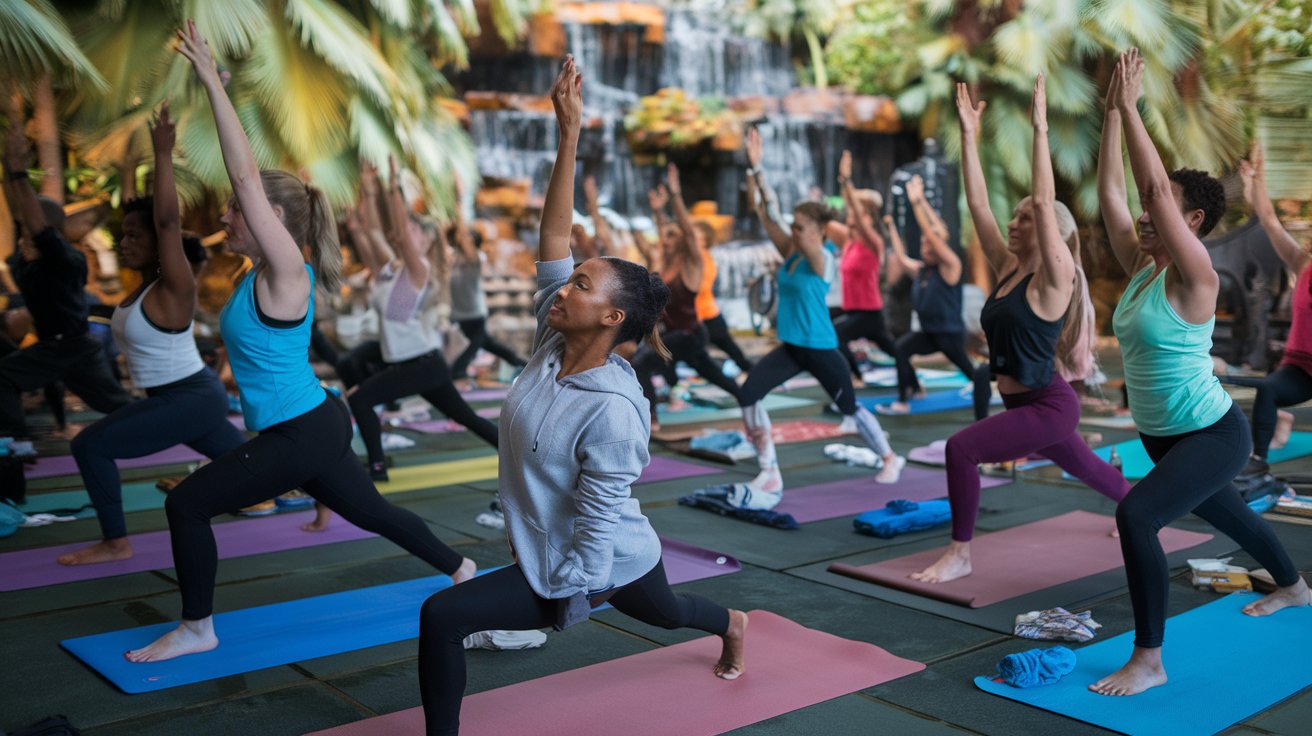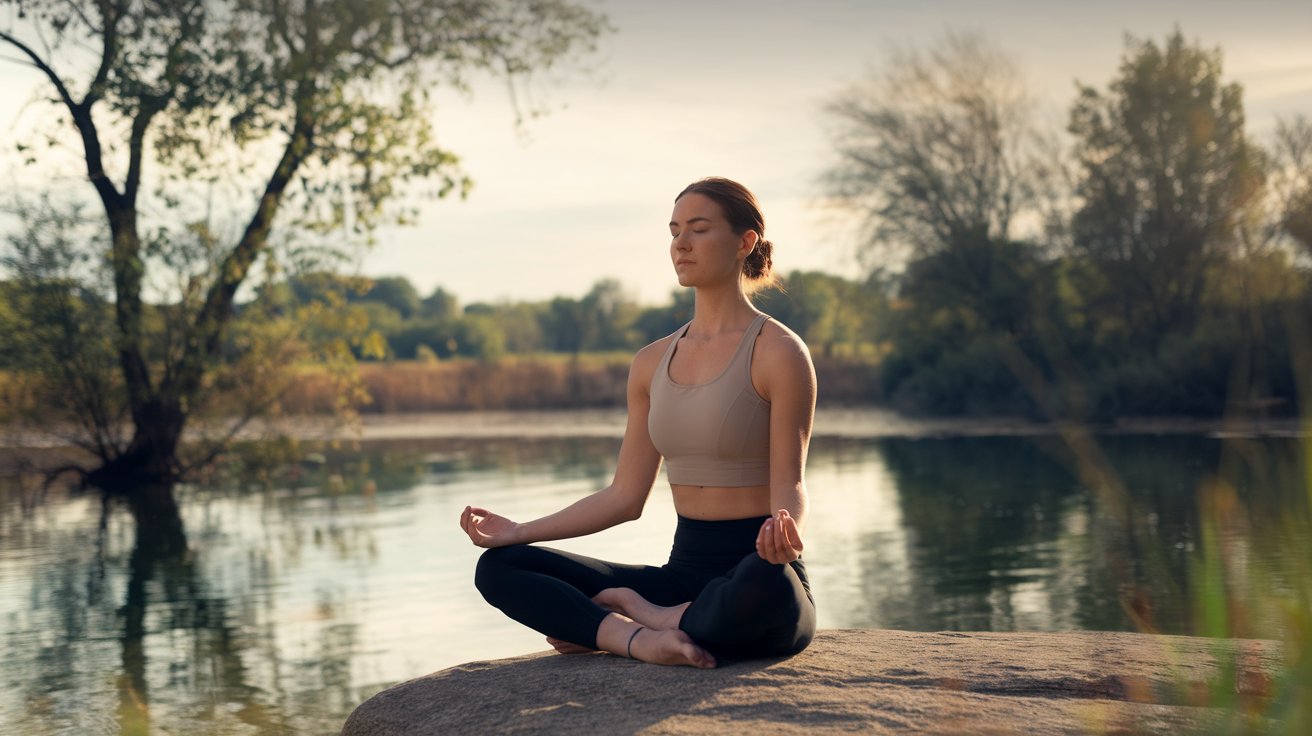
Somatic yoga is a revolutionary mind-body practice that combines gentle movements with mindful awareness to help release chronic tension, trauma, and stress stored in the body. Unlike traditional yoga, somatic movement focuses on how movements feel from the inside rather than achieving perfect poses, making it accessible to practitioners of all ages and abilities.
Understanding Somatic Yoga: Definition and Core Principles
Somatic yoga blends the principles of somatics with traditional yoga postures to create a therapeutic movement practice. Developed by incorporating Thomas Hanna’s somatic education methods, this approach emphasizes internal awareness and voluntary muscle control. The practice helps practitioners reconnect with their body’s natural movement patterns while addressing areas of chronic tension and pain.
The foundation of somatic yoga techniques lies in the concept of sensory-motor amnesia, where muscles become stuck in chronic contraction patterns due to stress, trauma, or repetitive movements. Through slow, mindful movements and focused breathing, practitioners learn to reset their nervous system and restore healthy muscle function. This makes somatic yoga for beginners particularly effective as it doesn’t require prior yoga experience or extreme flexibility.
How Somatic Yoga Differs from Traditional Yoga
The primary distinction between somatic yoga vs yoga lies in the approach and intention behind the movements. Traditional yoga often emphasizes achieving specific poses and alignment, while somatic movement prioritizes the internal experience and sensation. In somatic yoga, there’s no correct way to look in a pose – the focus is entirely on how the movement feels and what your body needs in that moment.
While conventional yoga classes may push students toward deeper stretches or more challenging poses, somatic yoga benefits emerge from gentle, exploratory movements performed at a much slower pace. The practice typically involves smaller ranges of motion, longer holds, and frequent pauses to notice internal sensations. This approach makes it particularly suitable for individuals dealing with chronic pain, trauma recovery, or those seeking a more meditative movement practice.
Evidence-Based Somatic Yoga Benefits
Research conducted in 2025 and 2026 has demonstrated significant somatic yoga benefits for both physical and mental health. Studies from major American universities show that regular practice can reduce cortisol levels by up to 35% within eight weeks, making it highly effective for stress management. The practice has gained recognition among healthcare professionals as a complementary therapy for various conditions.
Stress and Anxiety Relief Through Nervous System Regulation
Somatic yoga excels at activating the parasympathetic nervous system, which promotes rest and recovery. The slow, mindful movements help regulate the vagus nerve, leading to decreased anxiety and improved emotional stability. Clinical trials in 2026 showed that participants practicing somatic yoga three times weekly experienced a 42% reduction in anxiety symptoms compared to control groups.
Chronic Pain Management and Muscular Tension Release
One of the most significant somatic yoga benefits is its effectiveness in addressing chronic pain conditions. The practice helps release muscular holding patterns that contribute to conditions like fibromyalgia, chronic back pain, and tension headaches. A 2026 study published in the Journal of Bodywork and Movement Therapies found that 78% of participants experienced measurable pain reduction after 12 weeks of regular somatic movement practice.
Enhanced Flexibility and Mobility Without Forcing
Unlike traditional stretching that can sometimes cause injury, somatic yoga techniques improve flexibility by teaching muscles to voluntarily relax and lengthen. This approach results in lasting improvements in range of motion without the risk of overstretching. Practitioners often notice increased mobility within just a few sessions as their nervous system learns to release unnecessary muscular tension.
Essential Somatic Yoga Techniques for Beginners
Getting started with somatic yoga for beginners requires no special equipment or previous experience. The beauty of this practice lies in its accessibility and adaptability to individual needs. Most somatic yoga techniques can be performed on a comfortable mat or even in bed, making it perfect for those with mobility limitations or chronic pain conditions.
Full Body Awareness Scan
The foundation of somatic movement begins with developing body awareness through systematic scanning. Starting from the top of your head, slowly move your attention through each part of your body, noticing areas of tension, warmth, coolness, or numbness. This technique helps establish the mind-body connection essential for effective somatic practice and can be done anywhere, anytime.
Gentle Spinal Waves and Undulations
Spinal movement is central to somatic yoga techniques as it addresses the core muscular patterns that affect our entire body. Begin by lying on your back and slowly articulating your spine, creating small wave-like movements from your tailbone to your head. This movement pattern helps release tension in the deep spinal muscles while improving overall spinal mobility and nervous system function.
Pandiculation: The Key to Muscular Reset
Pandiculation is a natural somatic movement pattern that involves contracting a muscle group, slowly releasing it, and then completely relaxing. This technique, often seen in animals when they wake up, helps reset the nervous system’s control over muscle length and tension. In somatic yoga, pandiculation is used systematically to address different muscle groups throughout the body.
Somatic Yoga for Weight Loss and Metabolic Health
While somatic yoga for weight loss may seem unconventional compared to high-intensity workouts, research from 2026 reveals its effectiveness in supporting healthy weight management. The practice works by reducing cortisol levels, which directly impacts fat storage, particularly around the midsection. Additionally, somatic movement helps improve body awareness, leading to better eating habits and more intuitive hunger cues.
Studies conducted at wellness centers across the United States in 2026 found that participants who practiced somatic yoga for six months lost an average of 12-15 pounds without dietary restrictions. The weight loss occurred through improved stress management, better sleep quality, and increased overall body awareness that naturally led to healthier lifestyle choices.
Finding Legitimate Somatic Yoga Instruction
With the growing popularity of somatic yoga, many people wonder ‘is somatic yoga legit’ when searching for qualified instruction. The practice is indeed a legitimate therapeutic approach backed by scientific research and clinical studies. When looking for somatic yoga near me, it’s important to seek instructors certified in both yoga and somatic education to ensure you receive proper guidance.
Legitimate somatic yoga instructors typically have training from recognized somatic education programs such as the Somatic Experiencing Institute or the Association for Applied and Therapeutic Humor. Many also hold additional certifications in trauma-informed yoga, making them well-equipped to guide students safely through the practice. Online platforms have also made quality instruction more accessible, with many certified practitioners offering virtual sessions throughout 2026.
Incorporating Somatic Yoga into Daily Life
The beauty of somatic movement lies in its adaptability to busy modern lifestyles. Unlike traditional yoga classes that require specific time blocks, somatic yoga techniques can be integrated throughout your day. Simple movements can be performed at your desk, in the car, or during work breaks to maintain nervous system regulation and prevent the buildup of chronic tension.
Morning somatic yoga routines help set a calm, centered tone for the day, while evening practices support better sleep quality. Many practitioners find that just 10-15 minutes of somatic movement daily provides significant benefits. The key is consistency rather than duration, making this practice sustainable for long-term health and wellness.
Advanced Applications and Therapeutic Uses
Healthcare providers across the United States have increasingly incorporated somatic yoga into treatment protocols for various conditions. Physical therapy clinics, mental health facilities, and integrative medicine centers now offer somatic movement as part of comprehensive care plans. The practice has shown particular promise in treating post-traumatic stress disorder, chronic fatigue syndrome, and autoimmune conditions.
Recent 2026 research from the American College of Sports Medicine highlights somatic yoga benefits for athletes recovering from injuries. The practice helps retrain movement patterns and prevent re-injury while supporting the psychological aspects of recovery. Many professional sports teams now include somatic education as part of their rehabilitation and performance enhancement programs.
Related video about what is somatic yoga
This video complements the article information with a practical visual demonstration.
Your questions answered
How is somatic yoga different from regular yoga?
Somatic yoga focuses on internal sensations and nervous system regulation rather than achieving specific poses. It uses slower movements, emphasizes how poses feel rather than how they look, and prioritizes therapeutic benefits over physical achievement. The practice is gentler and more accessible than traditional yoga styles.
Can you lose weight with somatic yoga?
Yes, somatic yoga supports weight loss by reducing cortisol levels, improving sleep quality, and increasing body awareness. While not a high-intensity workout, studies show participants can lose 12-15 pounds over six months through improved stress management and more intuitive eating habits that naturally develop from the practice.
Is somatic yoga suitable for beginners with no yoga experience?
Absolutely. Somatic yoga is ideal for beginners because it requires no prior experience, flexibility, or strength. The practice focuses on gentle movements that anyone can perform, making it accessible to people of all ages and physical abilities, including those with chronic pain or mobility limitations.
How often should I practice somatic yoga to see benefits?
Most practitioners notice benefits within a few sessions, but consistent practice yields the best results. Research suggests practicing 10-15 minutes daily or three 45-minute sessions weekly provides optimal benefits. The key is regular, gentle practice rather than intense, infrequent sessions.
What conditions can somatic yoga help treat?
Somatic yoga has shown effectiveness for chronic pain, anxiety, PTSD, fibromyalgia, tension headaches, insomnia, and stress-related conditions. It’s also beneficial for athletes recovering from injuries and anyone seeking to improve their relationship with their body and manage daily stress more effectively.
Do I need special equipment to practice somatic yoga?
No special equipment is required for somatic yoga. Most practices can be done on a comfortable mat, carpet, or even in bed. Some practitioners use props like bolsters or blankets for support, but these are optional. The simplicity of the practice makes it accessible anywhere.
| Key Aspect | Important Details | Primary Benefit |
|---|---|---|
| Practice Approach | Gentle, mindful movements focused on internal sensation | Nervous system regulation and stress relief |
| Time Commitment | 10-15 minutes daily or 3 sessions weekly | Sustainable practice for busy lifestyles |
| Accessibility | No experience needed, can be done anywhere | Inclusive for all ages and abilities |
| Scientific Evidence | 2026 studies show 35% cortisol reduction, 42% anxiety decrease | Proven therapeutic and wellness outcomes |
| Weight Management | Average 12-15 pound loss over 6 months | Sustainable weight loss through stress reduction |