Preparing for your first yoga class can feel overwhelming, but knowing what to bring ensures a comfortable and focused practice. Whether you’re attending hot yoga or a gentle beginner session, having the right essentials enhances your experience. This comprehensive guide covers everything from yoga mats to proper attire, helping you feel confident and prepared for any yoga class in 2026.
Essential Yoga Equipment for Beginners
The foundation of any successful yoga practice starts with the right equipment. As a beginner, you don’t need extensive gear, but certain items are absolutely essential for comfort and safety. Most yoga studios provide basic equipment, but having your own ensures hygiene and familiarity. In 2026, yoga equipment has become more affordable and accessible, with many options available for every budget. Understanding what equipment is truly necessary versus optional helps you make informed decisions and avoid unnecessary purchases.
Quality equipment can significantly impact your yoga practice, providing stability, comfort, and confidence during poses. Many beginners make the mistake of either bringing too much or too little to their first class. The key is finding the right balance between being prepared and keeping things simple. Remember that yoga is about mindfulness and movement, not having the most expensive gear.
Your Own Yoga Mat
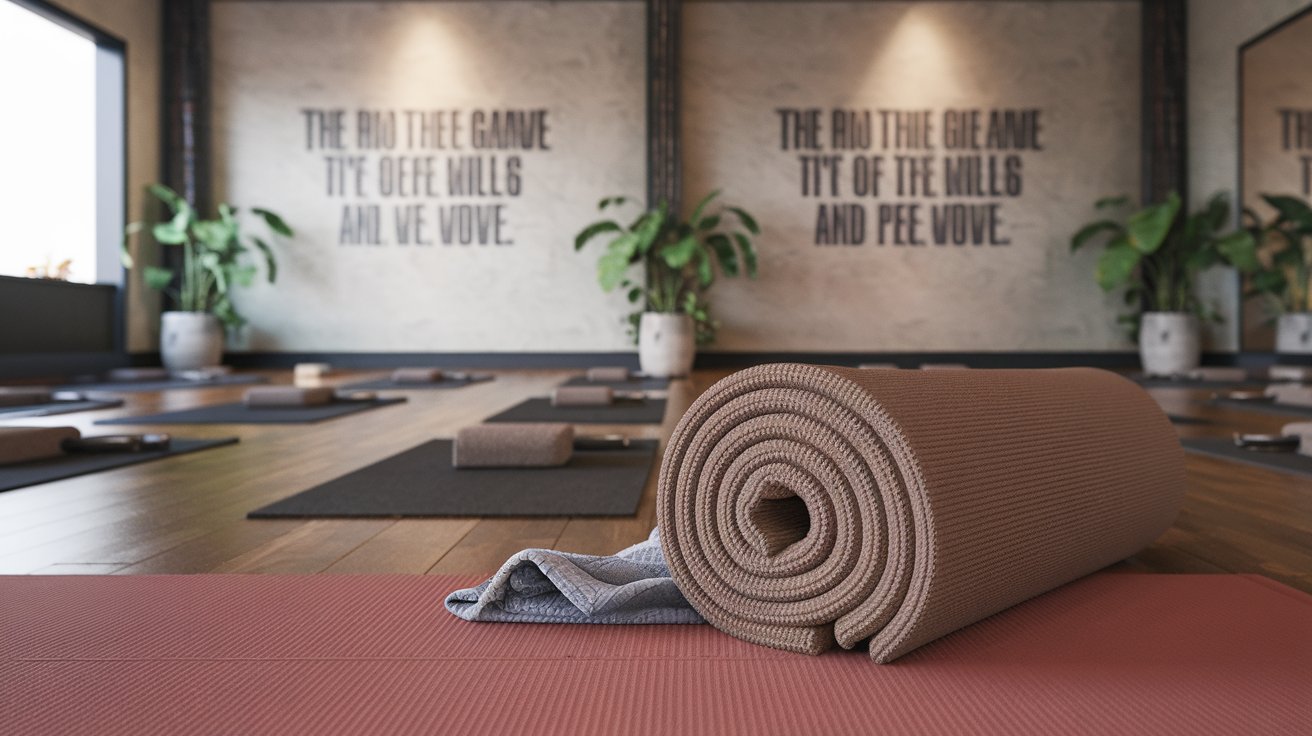
A personal yoga mat is the most important item to bring to any yoga class. While most studios provide mats, having your own ensures cleanliness and consistency in your practice. Modern yoga mats in 2026 offer superior grip technology and eco-friendly materials. Standard mat dimensions are 68 inches long and 24 inches wide, providing adequate space for most practitioners. Quality mats typically cost between $40-120, making them a worthwhile investment for regular practitioners.
Water Bottle for Hydration
Proper hydration is crucial during yoga, especially in hot yoga classes where temperatures can reach 95-105°F. A reusable water bottle helps maintain optimal hydration levels throughout your practice. Insulated bottles keep water cool during heated sessions, while standard bottles work well for gentle classes. The recommended water intake during yoga is 6-8 ounces every 15-20 minutes, depending on intensity and room temperature.
Small Towel for Sweat Management
A yoga towel serves multiple purposes during practice, from wiping sweat to providing extra grip on your mat. Microfiber towels are particularly effective as they absorb moisture quickly and dry fast. Many practitioners place towels over their mats during hot yoga to prevent slipping. Standard yoga towels measure 24×68 inches to fit perfectly over most mats. This simple addition can dramatically improve your comfort and safety during practice.
What to Wear to Yoga Class for Optimal Comfort
Choosing appropriate attire is essential for a comfortable yoga experience. Your clothing should allow for full range of motion while providing adequate coverage during various poses. In 2026, yoga apparel has evolved to include moisture-wicking fabrics and four-way stretch materials that enhance performance. The key is selecting pieces that make you feel confident and comfortable throughout your practice.
Many beginners worry about wearing the ‘wrong’ thing to yoga class, but comfort and functionality should be your primary concerns. Avoid clothing that’s too loose or too restrictive, as both can interfere with proper alignment and movement. Remember that yoga is non-competitive, so focus on what feels best for your body rather than following fashion trends.
Comfortable Yoga Attire for Women
Women should choose comfortable yoga attire that includes well-fitted leggings or yoga pants with a supportive sports bra. High-waisted leggings prevent riding up during forward folds, while moisture-wicking fabrics keep you dry during intense sessions. Sports bras with medium to high support work best for most yoga styles. Tank tops or fitted t-shirts complete the outfit while allowing for unrestricted arm movement. Avoid baggy shirts that can fall over your head during inversions.
What to Wear to Yoga Male Practitioners
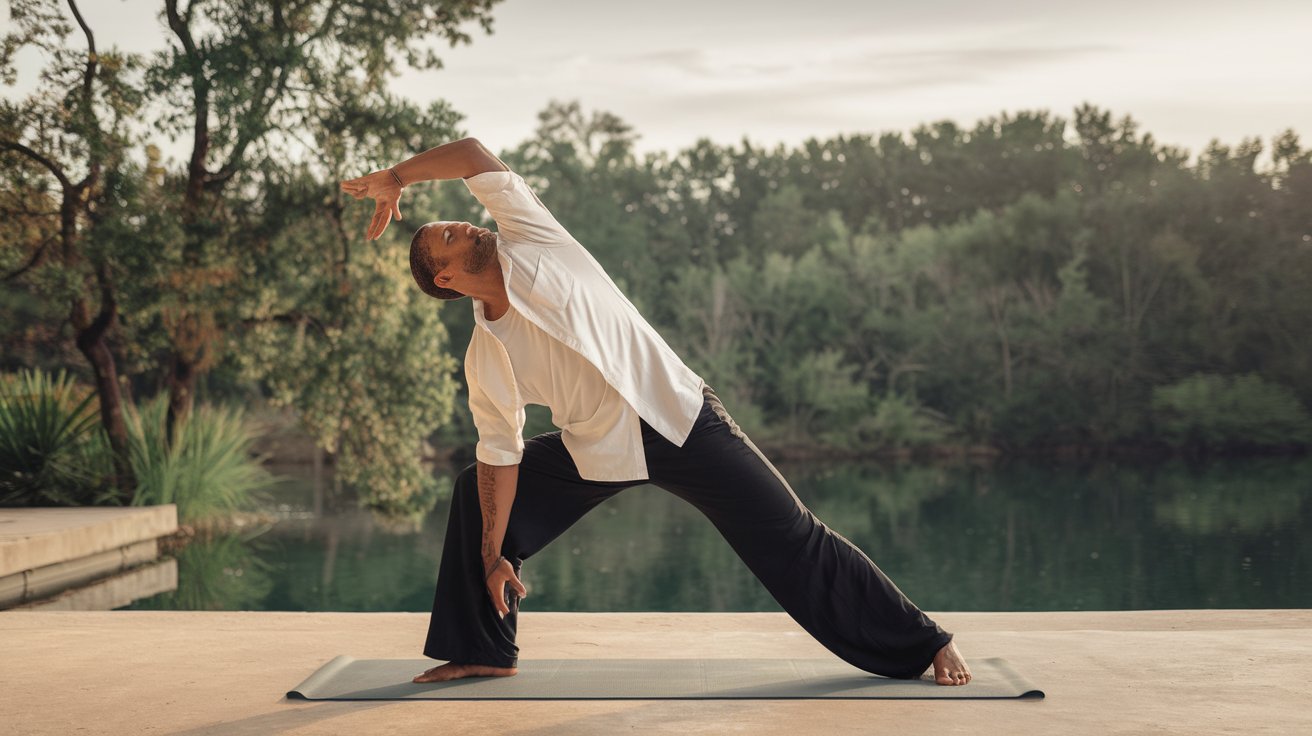
For male practitioners wondering what to wear to yoga male appropriate attire, comfortable athletic shorts or fitted joggers work best. Compression shorts or briefs underneath prevent exposure during seated poses and inversions. Fitted t-shirts or tank tops allow for unrestricted movement while maintaining modesty. Moisture-wicking fabrics are especially important for men who tend to sweat more. Avoid cotton materials that become heavy and uncomfortable when wet.
Special Considerations for Different Yoga Styles
Different types of yoga classes may require specific preparations. Understanding these variations helps you pack appropriately and feel more prepared. Hot yoga classes, for example, demand different considerations than gentle restorative sessions. In 2026, yoga studios often specify requirements in their class descriptions, making preparation easier for newcomers.
What to Bring to Hot Yoga Sessions
When attending hot yoga classes, extra preparation is essential due to high temperatures and humidity levels. Bring a large towel to place over your entire mat, as standard yoga mats become slippery when wet. An additional small towel for your face and hands proves invaluable during intense sessions. Electrolyte drinks or coconut water help replenish minerals lost through excessive sweating. Change of clothes is mandatory as you’ll likely be soaked after class.
Beginner-Friendly Class Essentials
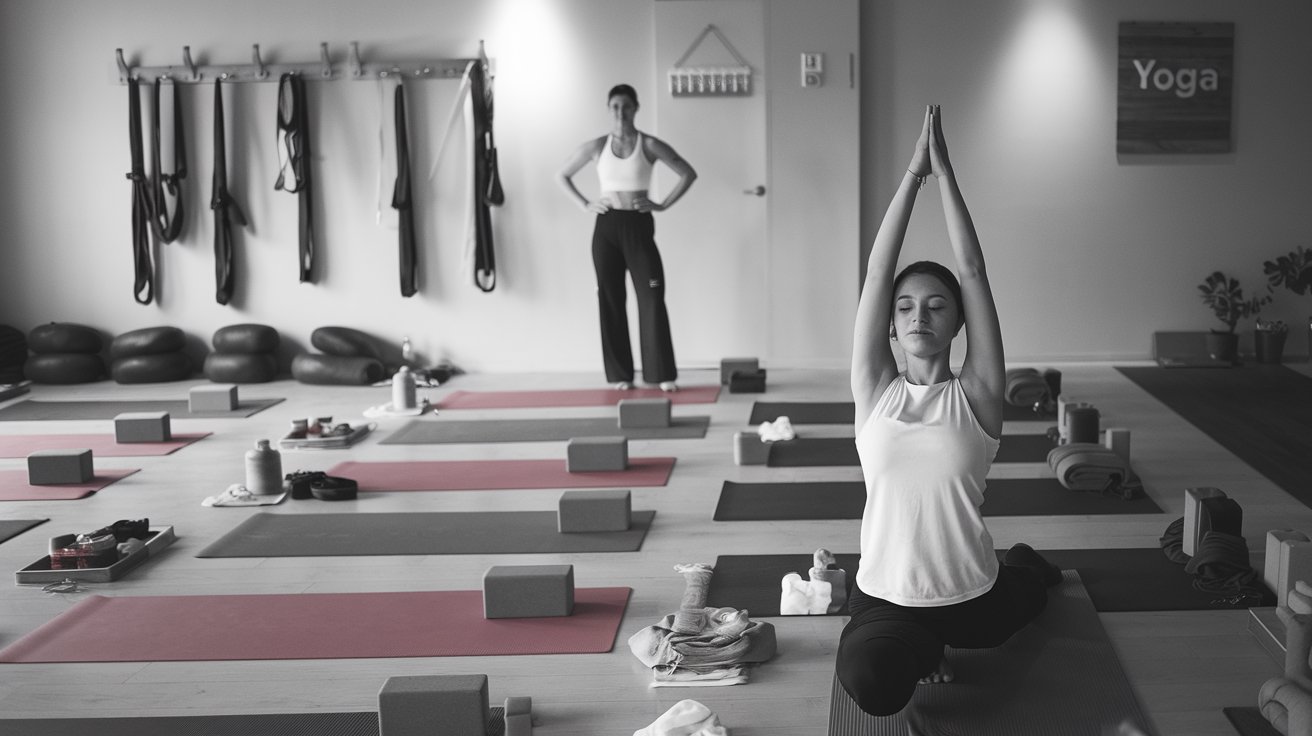
For those researching what to bring to a yoga class for beginners, simplicity is key. Start with basic essentials: your mat, water bottle, and comfortable clothes. Many beginner classes provide props like blocks and straps, so don’t worry about purchasing these initially. Arrive 10-15 minutes early to familiarize yourself with the space and inform the instructor you’re new. This allows them to provide modifications and extra attention throughout class.
Optional Items That Enhance Your Practice
While not essential, certain optional items can significantly enhance your yoga experience. These additions provide extra comfort, support, and convenience during practice. As you develop your yoga routine, you’ll discover which optional items align with your personal needs and preferences. Most experienced practitioners gradually build their yoga kit based on their specific practice requirements.
Post-Yoga Snack and Nutrition
Bringing a healthy post-yoga snack helps restore energy levels after practice. Light options like bananas, nuts, or energy bars provide quick nutrition without overwhelming your digestive system. Avoid heavy meals immediately after yoga, as your body needs time to transition from the relaxed state. Protein-rich snacks aid muscle recovery, especially after more intense vinyasa or power yoga sessions. Timing matters – wait at least 30 minutes after class before eating substantial amounts.
Change of Clothes for Comfort
A complete change of clothes becomes essential for sweaty practices or when you’re heading somewhere after class. Pack fresh underwear, a clean shirt, and comfortable pants in a separate bag. This is particularly important for hot yoga, where you’ll likely be completely soaked. Many practitioners prefer to shower at the studio when available, making clean clothes a necessity for comfort and hygiene.
Health Benefits and Considerations for Different Conditions
Yoga offers numerous health benefits, but individuals with specific health conditions should take extra precautions. Understanding how yoga affects different health conditions helps you prepare appropriately and communicate with instructors about your needs. Recent 2026 studies continue to support yoga’s effectiveness for various health conditions, making it an increasingly popular therapeutic practice.
Yoga for High Blood Pressure Management
Many people wonder if they can do yoga with high blood pressure, and the answer is generally yes, with proper precautions. Gentle yoga styles like Hatha or restorative yoga can actually help lower blood pressure through stress reduction and improved circulation. However, avoid inverted poses initially and inform your instructor about your condition. Bring a blood pressure monitor if recommended by your doctor, and stay hydrated throughout practice. Always consult healthcare providers before starting any new exercise routine.
Yoga Practice for Fibromyalgia Relief
Yoga can help fibromyalgia symptoms by improving flexibility, reducing pain, and enhancing sleep quality. Gentle movements and mindful breathing techniques are particularly beneficial for managing chronic pain conditions. Bring extra props like bolsters or blankets for additional support during poses. Consider attending slower-paced classes initially, and communicate with instructors about your condition to receive appropriate modifications. Many fibromyalgia patients find that consistent yoga practice significantly improves their quality of life.
Stress Management and Cortisol Reduction Through Yoga
One of yoga’s most significant benefits is its ability to reduce stress and regulate hormone levels. Research consistently shows that regular yoga practice can help lower cortisol levels, the body’s primary stress hormone. This makes yoga particularly valuable for individuals dealing with chronic stress, anxiety, or related health conditions. Understanding this connection helps you approach your practice with an open mind and realistic expectations for both physical and mental benefits.
The stress-reducing effects of yoga often become apparent after just a few sessions. Deep breathing techniques, mindful movement, and meditation components all contribute to lowering cortisol levels. This hormonal regulation can improve sleep quality, boost immune function, and enhance overall well-being. Many practitioners report feeling calmer and more centered after incorporating regular yoga into their routines.
Finding the Right Yoga Class and Studio
Selecting an appropriate yoga class and studio significantly impacts your experience. When searching for yoga near me, consider factors like class style, instructor experience, and studio amenities. In 2026, many studios offer virtual options alongside in-person classes, providing flexibility for different schedules and comfort levels. Reading reviews and trying introductory packages helps you find the best fit for your needs and goals.
Don’t hesitate to try multiple studios and instructors before settling on your favorites. Each brings unique teaching styles and energy to their classes. Many studios offer beginner-friendly packages or trial periods, making it affordable to explore different options. Remember that finding the right fit might take time, but the investment in finding a comfortable practice space pays dividends in your long-term yoga journey.
Related video about what to bring to a yoga class
This video complements the article information with a practical visual demonstration.
Essential Q&A about what to bring to a yoga class
Can yoga help lower cortisol levels effectively?
Yes, research consistently shows that regular yoga practice can help lower cortisol levels by 25-30% within 8-12 weeks. The combination of deep breathing, mindful movement, and meditation activates the parasympathetic nervous system, naturally reducing stress hormones. This makes yoga particularly effective for managing chronic stress and anxiety-related conditions.
Can yoga help with fibromyalgia symptoms?
Yoga can significantly help fibromyalgia by reducing pain intensity, improving sleep quality, and enhancing flexibility. Gentle yoga styles practiced 2-3 times weekly show measurable improvements in pain management and overall quality of life. Always consult healthcare providers and inform instructors about your condition to receive appropriate modifications.
Can I do yoga with high blood pressure safely?
Most people with high blood pressure can safely practice yoga with proper precautions. Gentle styles like Hatha or restorative yoga can actually help lower blood pressure through stress reduction. Avoid inverted poses initially, stay hydrated, and inform instructors about your condition. Always consult your doctor before starting any new exercise routine.
What should beginners absolutely bring to their first yoga class?
Beginners should bring a yoga mat, water bottle, and wear comfortable, stretchy clothing. Most studios provide props like blocks and straps for new students. Arrive 10-15 minutes early to familiarize yourself with the space and inform the instructor you’re new for proper modifications and guidance.
Do I need special equipment for hot yoga classes?
Hot yoga requires additional preparation including a large mat-sized towel, extra water, electrolyte drinks, and a complete change of clothes. The high temperatures (95-105°F) cause excessive sweating, making these items essential for comfort and safety. Many studios rent or sell hot yoga-specific towels if you forget to bring one.
What’s the difference between what men and women should wear to yoga?
Both men and women should prioritize comfort and mobility in fitted, moisture-wicking clothing. Women typically wear leggings with sports bras and tank tops, while men usually choose athletic shorts or fitted joggers with fitted shirts. The key for both is avoiding baggy clothes that interfere with movement and maintaining appropriate coverage during various poses.
| Essential Item | Purpose | Benefit |
|---|---|---|
| Personal Yoga Mat | Hygiene and consistency | Better grip and familiar surface |
| Water Bottle | Maintain hydration | Prevents dehydration and fatigue |
| Comfortable Attire | Freedom of movement | Enhanced flexibility and confidence |
| Small Towel | Sweat management | Better grip and comfort |
| Open Mind | Mental preparation | Stress reduction and mindfulness |