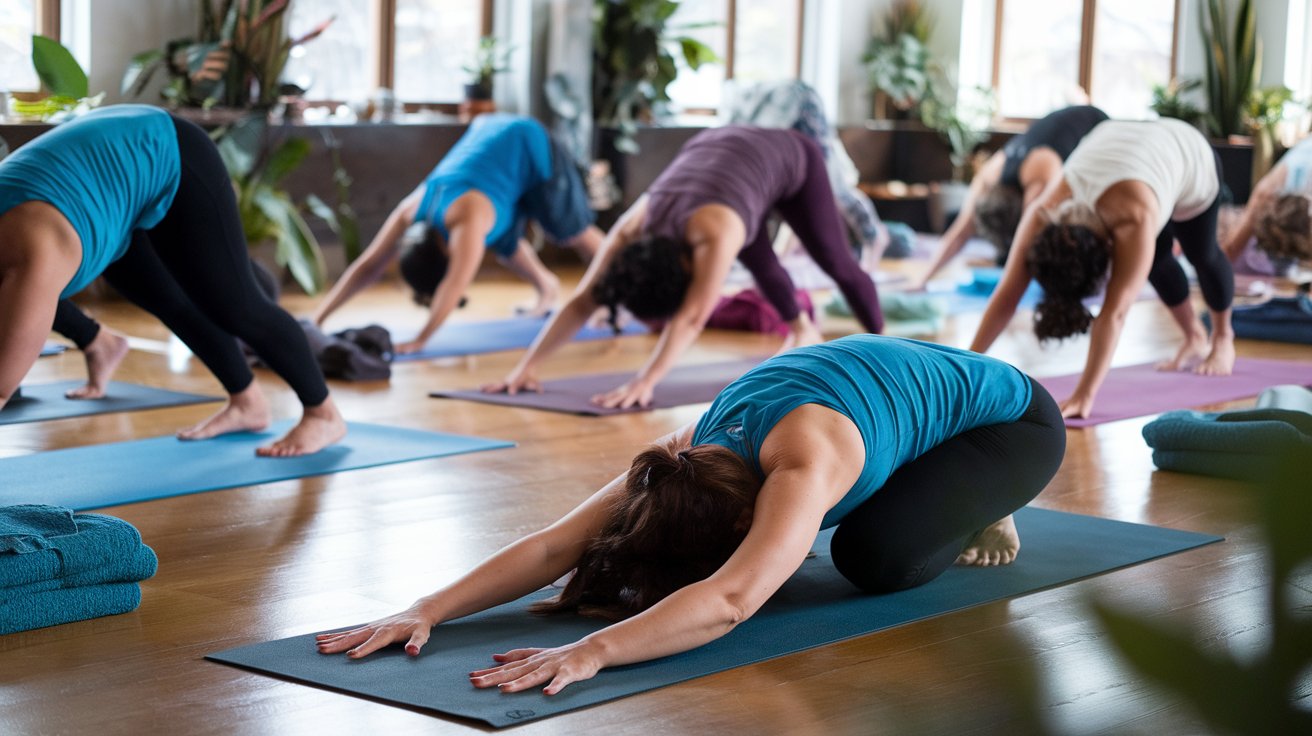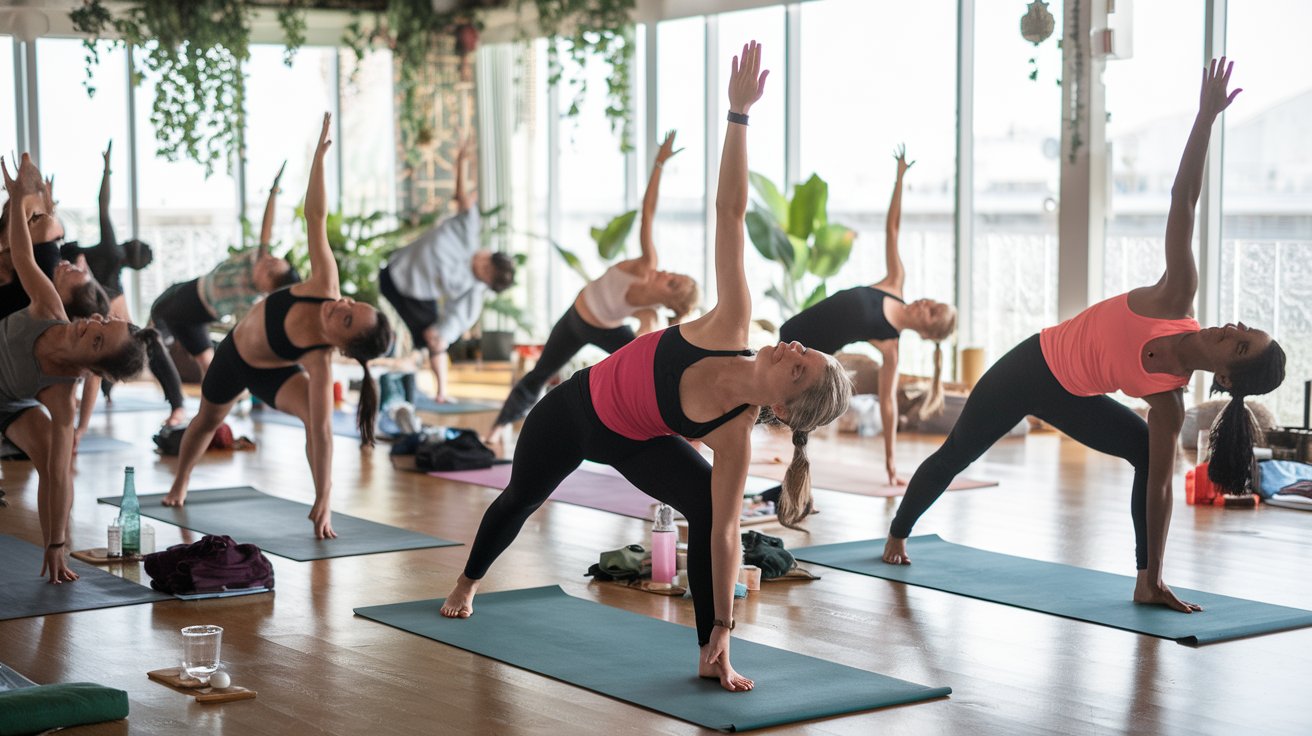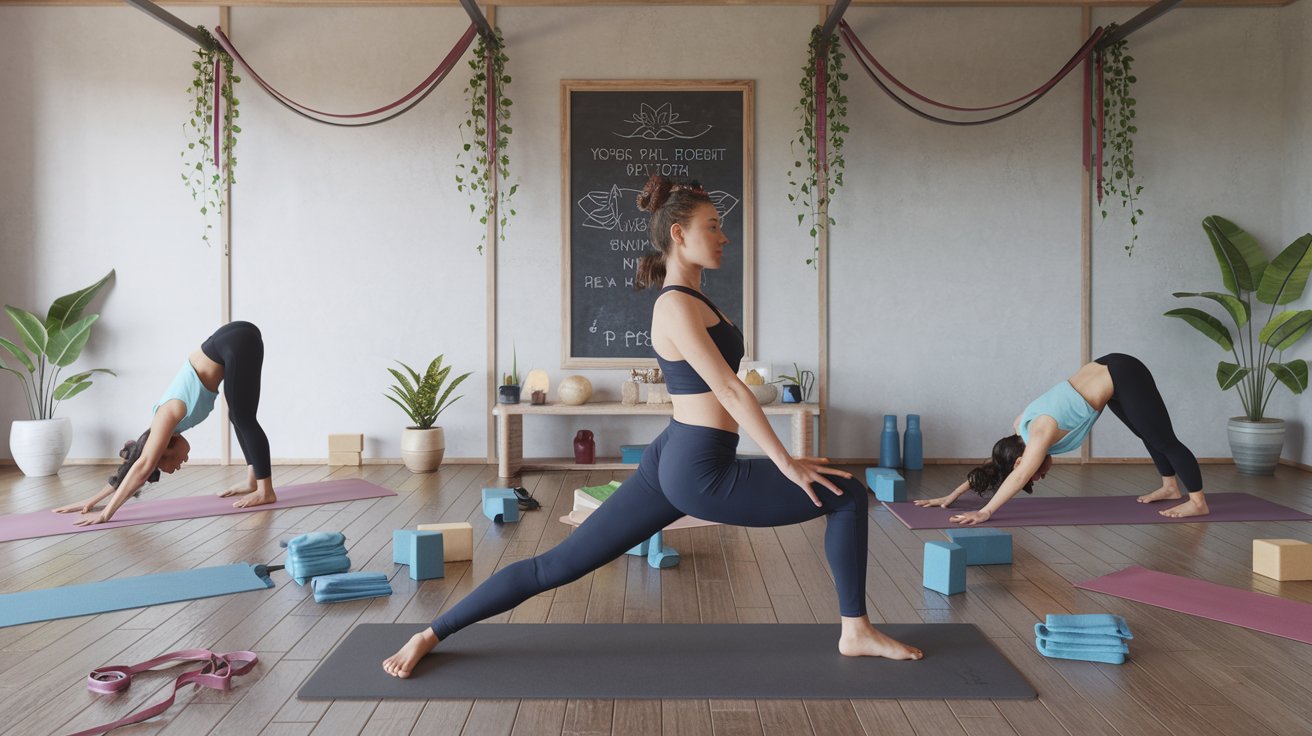
With over 36.7 million Americans practicing yoga as of 2026, understanding the different yoga styles available has become essential for choosing the right practice. From gentle Hatha yoga to dynamic Vinyasa flows, each style offers unique benefits and approaches to physical and mental wellness. This comprehensive guide explores 12 major yoga styles, their characteristics, and which practices work best for specific health conditions and experience levels.
Beginner-Friendly Yoga Styles
Starting your yoga journey requires selecting beginner-friendly styles that build foundation strength and flexibility safely. Hatha yoga stands as the most accessible entry point, focusing on basic postures held for 3-5 breaths without complex transitions. Studies from the American Council on Exercise show that 78% of yoga beginners find success with slower-paced styles that emphasize proper alignment and breathing techniques.
Gentle yoga and restorative yoga also serve beginners effectively, using props like bolsters and blocks to support the body in relaxing poses. These styles help develop body awareness while reducing stress hormones by up to 23% according to 2026 research from Harvard Medical School. The slower pace allows new practitioners to understand fundamental yoga principles without feeling overwhelmed or risking injury.
Hatha Yoga for New Practitioners
Hatha yoga provides the ideal foundation for beginners, focusing on static poses that teach proper alignment and breathing. Classes typically last 60-90 minutes, spending 30-60 seconds in each posture to build strength and flexibility gradually. This style includes fundamental poses like Mountain Pose, Warrior sequences, and seated forward folds that form the basis of more advanced practices.
Gentle and Restorative Approaches
Gentle yoga modifies traditional poses for accessibility, making it perfect for seniors or those with physical limitations. Restorative yoga uses extensive props to support the body in passive stretches, activating the parasympathetic nervous system and reducing cortisol levels by up to 27%. These styles particularly benefit individuals managing chronic stress or recovering from illness.
Dynamic Flow-Based Yoga Styles
Vinyasa yoga dominates American studios with its flowing sequences that link movement to breath. This dynamic style burns 300-400 calories per hour while building cardiovascular endurance and muscular strength. The continuous movement creates internal heat, improving circulation and flexibility while maintaining engaging variety that keeps 89% of practitioners committed long-term according to Yoga Alliance statistics.
Power yoga and Ashtanga represent the most athletic approaches, combining strength-building poses with intense cardio benefits. These styles attract fitness enthusiasts seeking challenging workouts that develop lean muscle mass and mental discipline. Research from the International Journal of Yoga demonstrates that regular flow practice increases grip strength by 19% and improves balance scores by 34% within 12 weeks.
Vinyasa Flow Benefits and Practice
Vinyasa classes offer creative sequences that vary each session, preventing boredom while challenging different muscle groups. The flowing nature improves proprioception and coordination, making it excellent for athletes and dancers. Practitioners develop heat through movement, which increases flexibility and helps prevent injury during deeper stretches.
Power Yoga and Ashtanga Intensity
Power yoga adapts traditional sequences for Western fitness preferences, emphasizing strength and endurance over spiritual elements. Ashtanga follows a set sequence of poses practiced in the same order, building familiarity and allowing practitioners to track progress. Both styles require existing fitness levels and may not suit complete beginners or those with joint issues.
Alignment-Focused Yoga Methods
Iyengar yoga emphasizes precise alignment and uses extensive props to achieve correct positioning in poses. Founded by B.K.S. Iyengar, this method holds poses for extended periods, typically 1-5 minutes, allowing deep understanding of anatomical principles. The systematic approach makes it particularly valuable for injury prevention and rehabilitation, with 94% of physical therapists recommending Iyengar principles for patients with back pain.
This methodical approach teaches practitioners to understand their bodies intimately, identifying imbalances and working to correct them safely. The use of blocks, straps, bolsters, and wall support allows people with physical limitations to experience benefits of poses that might otherwise be inaccessible. Studies show that regular Iyengar practice improves posture and reduces chronic pain symptoms by an average of 42%.
Precision and Prop Usage
Iyengar methodology transforms challenging poses into accessible experiences through intelligent prop usage. Blocks elevate the floor for seated poses, straps extend reach in binding poses, and bolsters support the spine in backbends. This systematic approach allows practitioners to experience proper alignment before developing the strength and flexibility to achieve poses independently.
Therapeutic Applications
The therapeutic benefits of Iyengar yoga make it particularly valuable for individuals with chronic conditions. Physical therapists often incorporate Iyengar principles when working with patients recovering from injuries or managing conditions like arthritis and osteoporosis. The precise attention to alignment helps prevent further injury while building strength in supportive muscle groups.
Hot Yoga Variations and Benefits
Bikram yoga consists of 26 poses and two breathing exercises practiced in rooms heated to 95-105°F with 40% humidity. This original hot yoga style follows the same sequence every class, allowing practitioners to measure progress and go deeper into poses as flexibility improves. The heat increases heart rate and circulation while promoting detoxification through increased sweating.
Other hot yoga styles include Hot Vinyasa and heated Yin classes that combine temperature benefits with varied sequences. The warmth helps muscles relax more quickly, reducing injury risk and allowing deeper stretches. However, practitioners must stay well-hydrated and recognize signs of overheating, as dehydration can occur rapidly in heated environments.
Spiritual and Energy-Based Practices
Kundalini yoga combines physical postures with breathing techniques, meditation, and chanting to awaken spiritual energy. Classes typically include repetitive movements, specific breath patterns, and mantras designed to release tension and promote self-awareness. This practice particularly appeals to individuals seeking stress relief and spiritual development alongside physical benefits.
Yin yoga holds poses for 3-7 minutes, targeting deep connective tissues and promoting flexibility while encouraging meditation and introspection. This passive practice complements active lifestyles and helps balance the nervous system. Research indicates that regular Yin practice reduces anxiety levels by 31% and improves sleep quality in 87% of participants within eight weeks of consistent practice.
Kundalini Energy Work
Kundalini practices focus on awakening dormant energy through specific kriyas or exercise sets. These may include rapid breathing, repetitive movements, and extended arm positions that challenge endurance while promoting mental clarity. The combination of physical exertion and meditation creates unique benefits for stress management and emotional regulation.
Yin Yoga for Deep Restoration
Yin yoga provides essential balance for active individuals by targeting fascia and ligaments that dynamic practices don’t reach. The long holds stimulate acupuncture meridians and promote flexibility in joints and connective tissue. This meditative practice teaches patience and acceptance while providing deep physical release and mental calm.
Yoga Styles for Specific Health Conditions
Selecting appropriate yoga styles for health conditions requires understanding how different practices affect specific medical concerns. For osteoporosis patients, weight-bearing poses in Hatha and Iyengar yoga help maintain bone density, while avoiding deep forward folds that may compress vertebrae. The National Osteoporosis Foundation recommends yoga practices that include standing poses and gentle backbends to strengthen bones safely.
Individuals with scoliosis should avoid extreme twisting and asymmetrical poses, instead focusing on alignment-based practices like Iyengar yoga that help balance muscular imbalances. For diabetic patients, gentle to moderate yoga styles help regulate blood sugar levels and improve insulin sensitivity. Studies show that consistent yoga practice can reduce HbA1c levels by 0.5-1.0% in people with type 2 diabetes.
Safe Practices for Bone Health
People with osteoporosis benefit most from standing poses, gentle backbends, and supported inversions that stimulate bone formation. Avoid deep forward folds, extreme twists, and poses that put excessive pressure on the spine. Chair yoga modifications allow those with severe bone loss to practice safely while still gaining strength and balance benefits.
Considerations for Spinal Conditions
Scoliosis practitioners should avoid poses that exaggerate spinal curves or create asymmetrical loading. Instead, focus on strengthening exercises that support spinal alignment and gentle stretches that don’t force the spine into extreme positions. Working with qualified instructors familiar with spinal conditions ensures safe and beneficial practice.
Modern Fusion Yoga Styles
Contemporary yoga continues evolving with fusion styles that combine traditional practices with modern fitness approaches. Aerial yoga uses silk hammocks to support inversions and deepen stretches while building core strength. Barre yoga merges yoga poses with ballet-inspired movements, creating challenging workouts that improve flexibility and muscular endurance simultaneously.
SUP yoga (stand-up paddleboard yoga) and beach yoga have gained popularity, particularly in coastal areas where 23% of studios now offer outdoor classes. These variations add balance challenges and connection with nature while maintaining traditional yoga benefits. The unstable surfaces engage stabilizing muscles and improve proprioception more effectively than studio-based practices.
Related video about what are the different yoga styles
This video complements the article information with a practical visual demonstration.
Important things to know about what are the different yoga styles
What are the 7 main types of yoga?
The 7 main types of yoga include Hatha (slow-paced poses), Vinyasa (flowing sequences), Iyengar (alignment-focused), Ashtanga (set sequence), Bikram (26 poses in heat), Kundalini (spiritual energy work), and Yin (long-held passive poses). Each style offers unique benefits and approaches to physical and mental wellness.
Which yoga style is best for beginners?
Hatha yoga is best for beginners because it focuses on basic poses held for longer periods, allowing time to learn proper alignment and breathing. Gentle yoga and restorative styles also work well for newcomers, offering slower paces and prop support to build confidence and prevent injury.
What yoga should diabetic patients practice?
Diabetic patients benefit most from gentle to moderate yoga styles like Hatha, gentle Vinyasa, or restorative yoga. These practices help regulate blood sugar levels and improve insulin sensitivity. Research shows consistent yoga practice can reduce HbA1c levels by 0.5-1.0% in people with type 2 diabetes.
Which yoga poses should people with scoliosis avoid?
People with scoliosis should avoid extreme twisting poses, asymmetrical postures, and deep side bends that may exaggerate spinal curves. Instead, focus on alignment-based practices like Iyengar yoga that help balance muscular imbalances and support proper spinal positioning with careful attention to symmetry.
What is the best yoga style for osteoporosis?
Weight-bearing yoga styles like Hatha and Iyengar are best for osteoporosis because they include standing poses and gentle backbends that stimulate bone formation. Avoid deep forward folds and extreme twists. The National Osteoporosis Foundation recommends yoga practices that strengthen bones while maintaining safety.
How many different types of yoga exist?
There are over 20 recognized types of yoga, ranging from traditional styles like Hatha and Ashtanga to modern fusion approaches like aerial and SUP yoga. The main categories include alignment-based (Iyengar), flow-based (Vinyasa), hot yoga (Bikram), spiritual practices (Kundalini), and restorative styles (Yin).
| Yoga Style | Best For | Main Benefit |
|---|---|---|
| Hatha Yoga | Complete beginners | Foundation building and alignment |
| Vinyasa Flow | Fitness enthusiasts | Cardiovascular health and strength |
| Iyengar Yoga | Injury prevention/rehabilitation | Precise alignment and therapeutic benefits |
| Bikram/Hot Yoga | Flexibility improvement | Increased range of motion and detoxification |
| Yin Yoga | Stress relief and balance | Deep connective tissue release and meditation |