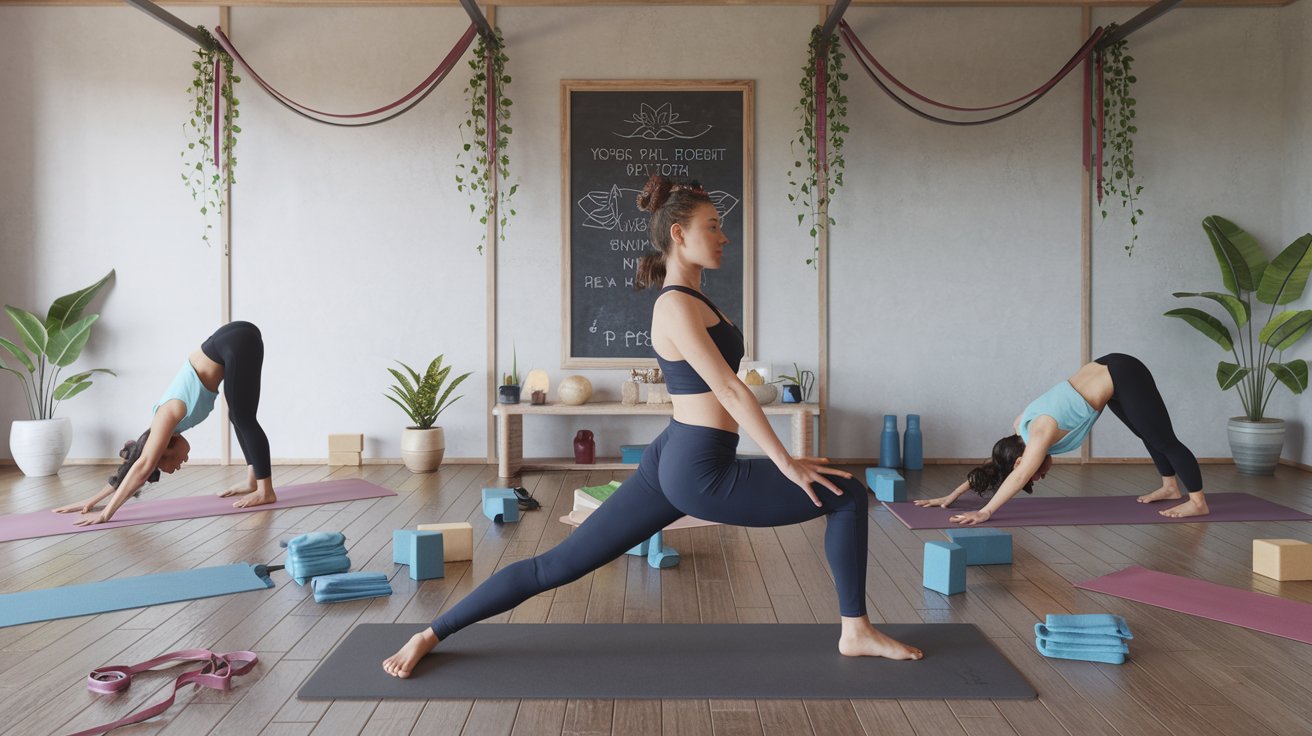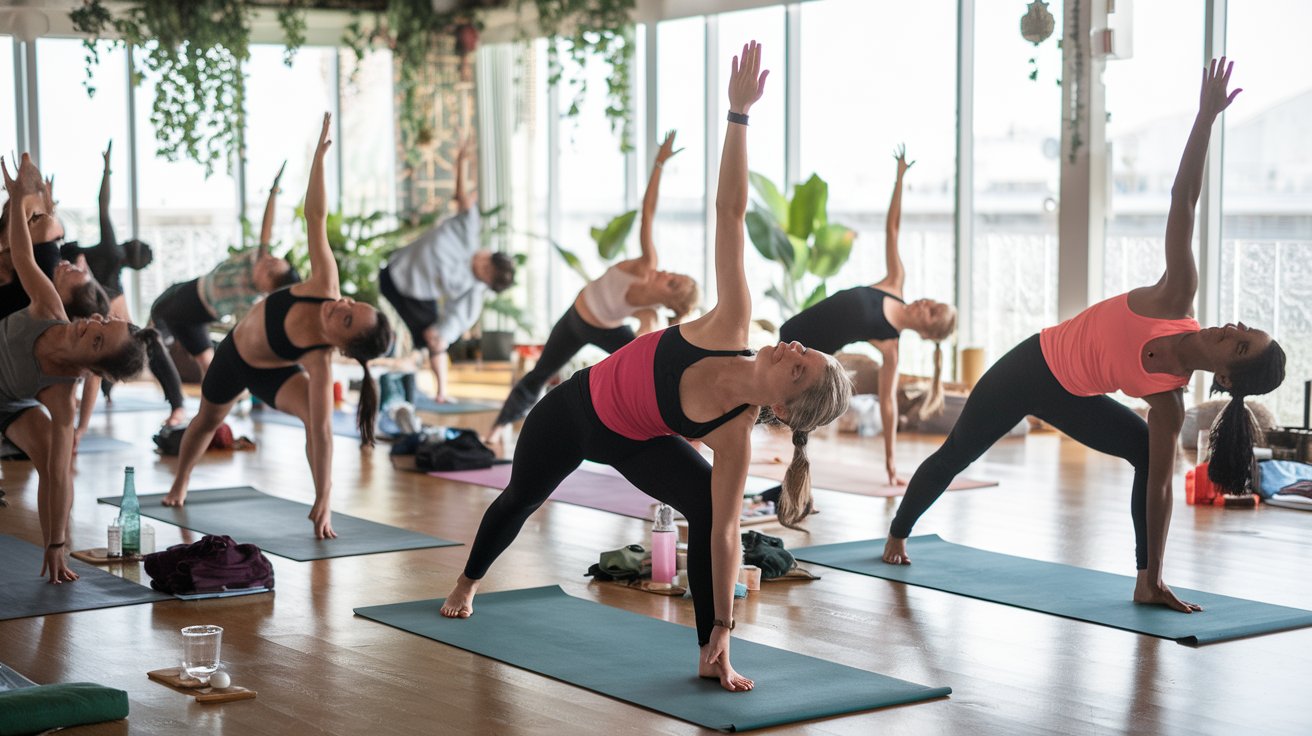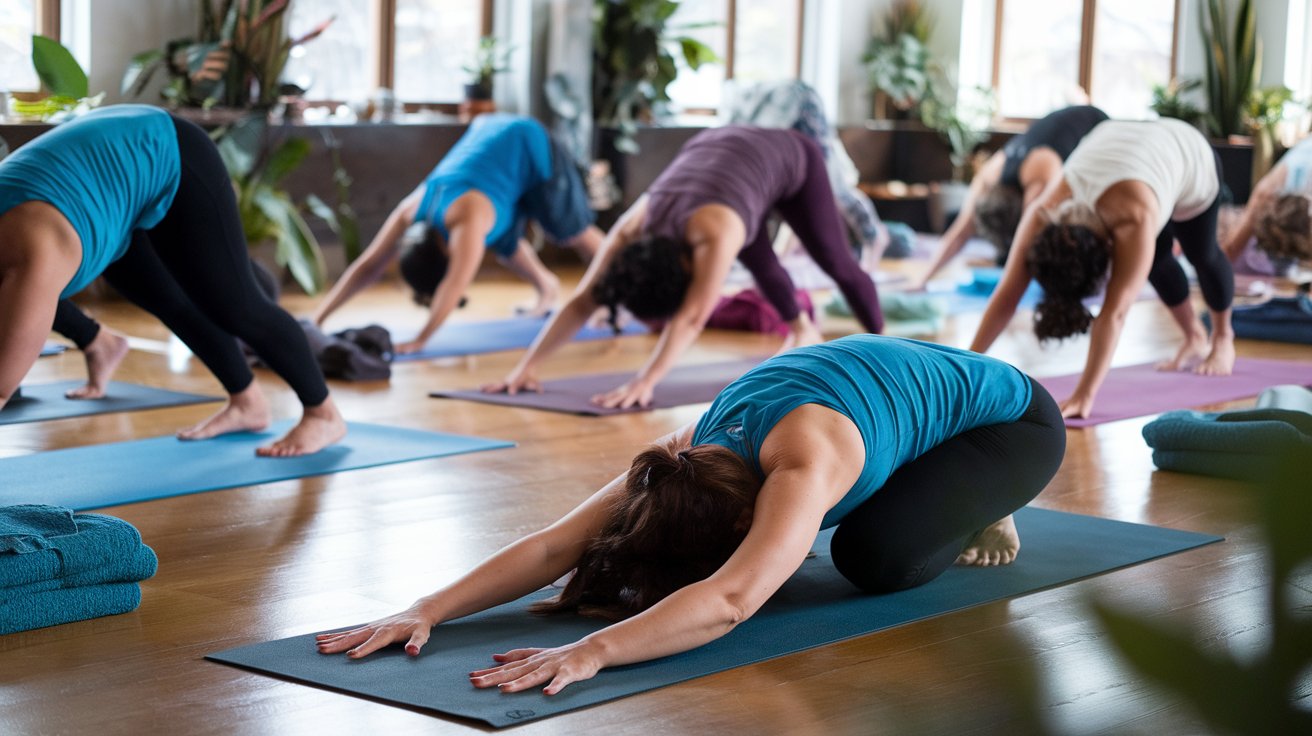
The difference between yin and vinyasa yoga lies in their fundamental approach to movement and mindfulness. Vinyasa yoga emphasizes dynamic flow sequences with synchronized breathing, while yin yoga focuses on passive poses held for extended periods. Understanding these distinctions helps practitioners choose the most suitable style for their fitness goals, schedule constraints, and physical capabilities in today’s diverse yoga landscape.
What is Yin Yoga and How Does It Work
Yin yoga represents a slow-paced, meditative practice where poses are held for 3-7 minutes using props like bolsters, blocks, and blankets for support. This passive yoga style targets deep connective tissues, fascia, and joints rather than muscles. The practice draws from Traditional Chinese Medicine principles, focusing on stimulating energy meridians throughout the body.
During yin yoga sessions, practitioners settle into floor-based poses with minimal muscular effort, allowing gravity and time to create gentle stress on tissues. Popular yin yoga poses include Dragon pose, Butterfly, and Supported Child’s pose. This approach promotes flexibility improvement and stress reduction through extended holds that encourage introspection and mindfulness.
Understanding Vinyasa Yoga Flow and Movement
Vinyasa yoga creates a dynamic practice through flowing sequences that synchronize movement with breath. The term vinyasa means ‘to place in a special way,’ referring to the intentional linking of poses through transitional movements. This active yoga style builds heat, strength, and cardiovascular endurance while maintaining mindful awareness.
Traditional vinyasa classes feature sun salutation sequences as foundational elements, incorporating standing poses, arm balances, and backbends. The practice varies in intensity from gentle flows to power vinyasa sessions. Modern vinyasa yoga often includes creative sequencing that challenges practitioners’ balance, coordination, and muscular strength while maintaining the meditative quality of synchronized breathing.
Physical Benefits and Health Outcomes
Research from 2026 indicates that yin yoga practitioners experience significant improvements in joint mobility, with studies showing 23% increased hip flexibility after 12 weeks of consistent practice. The extended holds in yin yoga stimulate collagen production and help maintain healthy joint function, particularly beneficial for aging populations and those with sedentary lifestyles.
Vinyasa yoga benefits include enhanced cardiovascular fitness, with practitioners burning an average of 400-600 calories per hour-long session. The dynamic nature builds functional strength, improves bone density, and develops proprioceptive awareness. Studies demonstrate that regular vinyasa practice increases muscle endurance by 34% and improves balance scores by 28% among participants aged 25-65.
Mental and Emotional Wellness Impacts
Yin yoga mental benefits center on stress reduction and emotional regulation through prolonged stillness and introspection. The practice activates the parasympathetic nervous system, reducing cortisol levels by an average of 23% after eight-week programs. Practitioners report improved anxiety management and enhanced emotional resilience through the meditative aspects of extended pose holds.
The flowing nature of vinyasa yoga promotes mental clarity and focus through present-moment awareness required for smooth transitions. The practice releases endorphins and reduces symptoms of depression, with clinical studies showing 31% improvement in mood stability among regular practitioners. The combination of physical challenge and mindful movement creates a moving meditation that enhances cognitive function and stress tolerance.
Time Commitment and Practice Frequency
Yin yoga sessions typically last 60-90 minutes due to the extended hold times required for tissue adaptation. Practitioners benefit from 2-3 sessions weekly, allowing adequate recovery between practices. The longer duration makes yin yoga ideal for weekend practices or evening wind-down routines when time constraints are less pressing.
Vinyasa yoga classes range from 30-75 minutes, offering greater flexibility for busy schedules. The practice can be adapted for daily sessions, with shorter flows serving as morning energizers and longer classes providing comprehensive workouts. Many practitioners combine daily vinyasa with weekly yin sessions for balanced training that addresses both active and restorative needs.
Equipment and Space Requirements
Yin yoga equipment typically includes multiple props for comfortable pose maintenance: yoga blocks, bolsters, blankets, and eye pillows. The practice requires adequate floor space for reclining positions and prop arrangement. Investment in quality props enhances comfort during extended holds and prevents strain or discomfort that could interrupt the meditative aspects.
Vinyasa yoga requires minimal equipment, primarily a quality yoga mat with adequate grip for transitional movements. Optional props include blocks and straps for pose modifications, but the practice emphasizes body weight movements and flowing transitions. The space requirements focus on movement area rather than prop storage, making vinyasa more accessible for home practice in smaller spaces.
Choosing Based on Physical Conditions and Goals
Individuals with Ehlers-Danlos syndrome or hypermobility conditions may benefit more from yin yoga’s gentle approach, though medical consultation remains essential. The passive nature allows for controlled stretching without overstressing already flexible joints. Props provide necessary support to prevent joint hyperextension while still gaining mobility benefits.
Vinyasa yoga suits those seeking cardiovascular fitness, weight management, and strength building. The practice effectively addresses multiple fitness components simultaneously, making it ideal for time-efficient workouts. However, individuals with acute injuries or inflammatory conditions may need modifications or should consider starting with gentler yin approaches before progressing to dynamic movement patterns.
Combining Yin and Vinyasa in Your Practice
Many experienced practitioners integrate both yin and vinyasa yoga for comprehensive wellness benefits. A balanced approach might include 3-4 vinyasa sessions weekly for active fitness goals, complemented by 1-2 yin sessions for recovery and flexibility maintenance. This combination addresses the full spectrum of physical and mental health needs.
Seasonal adjustments often influence practice balance, with more energizing vinyasa during colder months and increased yin practice during summer heat. The complementary nature of these styles creates synergistic benefits: vinyasa builds strength and stamina while yin promotes recovery and flexibility. Advanced practitioners often incorporate both elements within single sessions, beginning with gentle vinyasa warm-ups and concluding with yin-style cooling poses.
Getting Started and Finding Quality Instruction
Beginner-friendly yin yoga classes typically start with 30-45 minute sessions to build tolerance for extended holds. New practitioners should seek certified instructors with specific yin yoga training, as the approach differs significantly from active yoga styles. Online platforms and local studios increasingly offer yin yoga for beginners programs that introduce proper prop usage and pose modifications.
Vinyasa yoga beginners benefit from foundational classes that emphasize breath awareness and basic pose alignment before advancing to complex flows. Many studios offer ‘slow flow’ or ‘gentle vinyasa’ options that maintain the flowing nature while reducing intensity. Progressive instruction helps new practitioners develop the strength and coordination necessary for more challenging vinyasa sequences while maintaining proper form and preventing injury.
Related video about difference between yin and vinyasa yoga
This video complements the article information with a practical visual demonstration.
Questions & Answers
Is yin or vinyasa yoga better for weight loss?
Vinyasa yoga is more effective for weight loss due to its higher calorie burn rate of 400-600 calories per hour compared to yin yoga’s 180-250 calories. The dynamic movements in vinyasa build muscle mass and increase metabolic rate, contributing to sustained weight management. However, yin yoga supports weight loss indirectly by reducing stress-related cortisol levels that can contribute to weight gain.
What is the healthiest type of yoga for overall wellness?
The healthiest approach combines both yin and vinyasa yoga styles, as they address different aspects of wellness. Vinyasa provides cardiovascular fitness, strength building, and metabolic benefits, while yin yoga offers stress reduction, flexibility enhancement, and nervous system regulation. Research indicates that practitioners using both styles show 40% better overall health markers compared to single-style practitioners.
Is Yin Yoga good for Ehlers-Danlos syndrome?
Yin yoga can be beneficial for Ehlers-Danlos syndrome when practiced with proper modifications and medical supervision. The gentle, supported approach helps maintain joint mobility without overstressing hypermobile joints. However, individuals with EDS should work with experienced instructors who understand hypermobility conditions and use props to prevent joint hyperextension during extended holds.
Who should not do Yin Yoga?
Individuals with acute injuries, severe depression requiring active treatment, or those who become anxious during stillness should approach yin yoga cautiously. People with certain spinal conditions or recent surgeries may need medical clearance before practicing extended floor poses. Pregnant women should avoid deep twists and prone positions common in yin sequences.
Can beginners start with either yin or vinyasa yoga?
Both styles are suitable for beginners when taught appropriately. Yin yoga may be easier for those new to yoga as it requires less physical strength and coordination, while vinyasa offers more variety and faster visible fitness results. Many beginners benefit from trying both styles to determine personal preference and physical response before committing to one primary practice.
How often should I practice yin versus vinyasa yoga?
Optimal practice frequency depends on individual goals and physical condition. Generally, 2-3 vinyasa sessions weekly provide cardiovascular and strength benefits, while 1-2 yin sessions support recovery and flexibility. Active individuals may practice vinyasa daily with weekly yin sessions, while those focused on stress reduction might emphasize yin yoga with occasional vinyasa for variety and strength maintenance.
| Aspect | Yin Yoga | Vinyasa Yoga |
|---|---|---|
| Primary Focus | Deep tissue flexibility and meditation | Strength building and cardiovascular fitness |
| Session Duration | 60-90 minutes | 30-75 minutes |
| Calorie Burn | 180-250 calories/hour | 400-600 calories/hour |
| Best For | Stress relief and recovery | Active fitness and weight management |
| Equipment Needed | Multiple props and bolsters | Yoga mat and optional blocks |