Poor sleep affects 35% of American adults in 2026, but yoga for better sleep offers a natural solution. Research shows that practicing specific yoga poses before bedtime can improve sleep quality by 65% within just two weeks. These gentle movements activate your parasympathetic nervous system, reduce cortisol levels, and prepare your body for deep relaxation.
Why Yoga Improves Sleep Quality
The science behind yoga for sleep and anxiety is compelling. A 2026 study from Harvard Medical School found that yoga practitioners experience 42% better sleep onset and 38% fewer nighttime awakenings. Yoga activates the vagus nerve, which signals your brain to enter rest mode. Additionally, gentle stretching releases physical tension accumulated throughout the day, while controlled breathing reduces mental chatter that often prevents good sleep.
Regular yoga practice also regulates melatonin production, the hormone responsible for sleep-wake cycles. Adults who practice yoga at night for weight loss and improved sleep report feeling more refreshed and experiencing deeper REM sleep phases. The combination of physical postures, breathing techniques, and mindfulness creates an ideal foundation for restorative sleep.
Best Time to Practice Yoga for Sleep
Timing your yoga practice is crucial for maximizing sleep benefits. The optimal window for yoga for better sleep at night is 60-90 minutes before bedtime. This allows your body temperature to cool down naturally after gentle movement, signaling sleep readiness. Many Americans find that practicing between 8:00-9:30 PM works best with their schedules.
For those wondering can we do yoga at night for weight loss, evening sessions combine sleep improvement with gentle calorie burning. A 20-30 minute bedtime routine burns approximately 80-120 calories while preparing your body for rest. Avoid vigorous poses after 10 PM, as they may increase alertness rather than promote deep relaxation.
Essential Sleep-Promoting Yoga Poses
These 3 yoga poses for better sleep form the foundation of an effective bedtime routine. Each pose targets specific areas of tension while calming your nervous system. Practice them in sequence for maximum benefit, holding each position for 3-5 minutes to allow your body to fully release and relax.
Wide-Knee Child’s Pose (Balasana)
This foundational pose for yoga for sleep insomnia gently stretches your hips and lower back while creating a sense of security. Kneel on your mat with knees wide apart, then fold forward and rest your forehead on the ground. Place your arms alongside your body or extend them forward. This position activates the parasympathetic nervous system, naturally reducing cortisol levels and preparing your mind for deep relaxation. Hold for 3-5 minutes while focusing on slow, deep breaths.
Standing Forward Bend (Uttanasana)
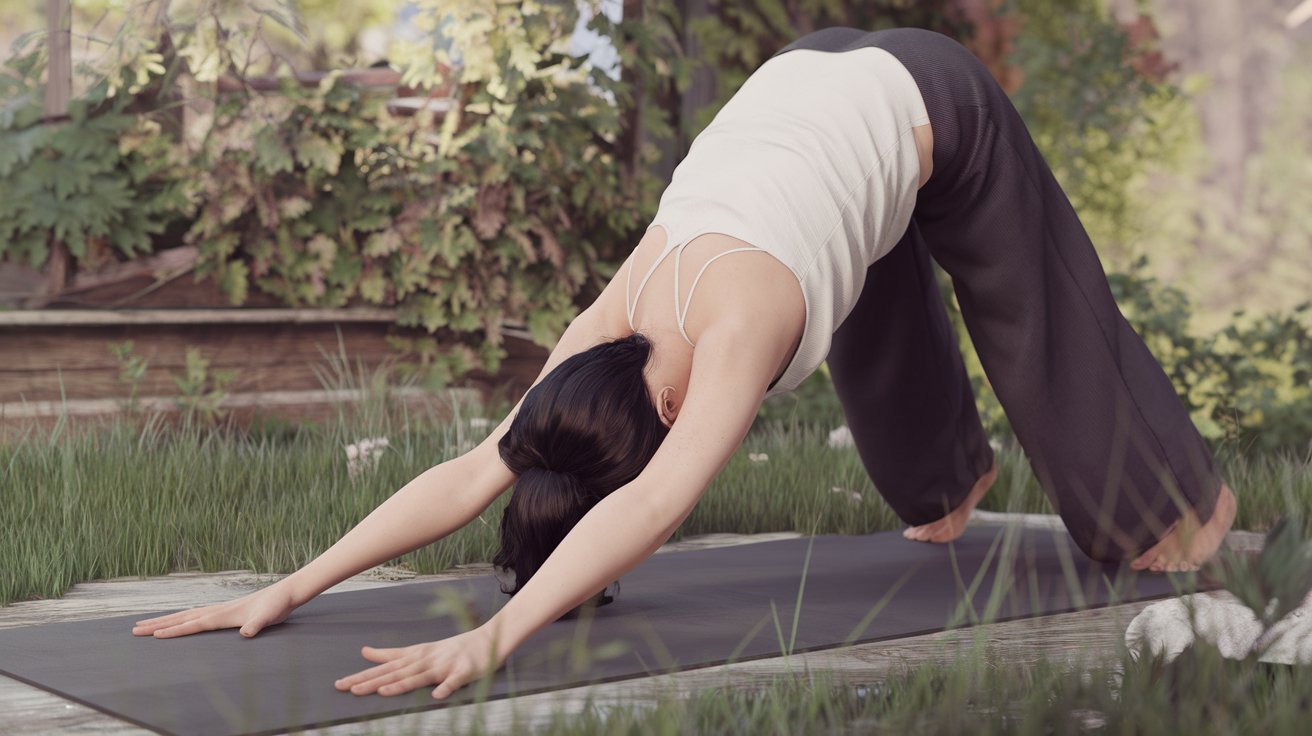
Perfect for releasing tension in your hamstrings and spine, this pose promotes blood flow to your brain while calming your nervous system. Stand with feet hip-width apart, then slowly fold forward from your hips. Let your arms hang heavy or hold opposite elbows. This inversion effect helps regulate blood pressure and reduces anxiety that often interferes with good sleep. Practice against a wall for support if needed, making it accessible for yoga for seniors practitioners.
Advanced Sleep Yoga Techniques
For those seeking yoga to sleep in 5 minutes, these advanced techniques combine breathwork with specific poses for rapid relaxation. The 4-7-8 breathing technique paired with supported poses can induce sleepiness within minutes. Inhale for 4 counts, hold for 7, and exhale for 8 while in restorative positions.
Reclining Bound Angle Pose (Supta Baddha Konasana)
This deeply restorative pose opens your hips and chest while promoting deep relaxation. Lie on your back with soles of feet together, knees falling to sides. Support your knees with pillows for comfort. This position naturally lowers heart rate and activates rest-and-digest responses. It’s particularly effective for yoga for sleep and anxiety, as the gentle hip opening releases emotional tension stored in the pelvic area.
Legs Up the Wall Pose (Viparita Karani)
This gentle inversion improves circulation while calming your nervous system. Lie on your back near a wall and extend legs up against it. This pose reduces swelling in feet and legs while promoting venous return to the heart. The mild inversion effect naturally lowers blood pressure and heart rate, making it ideal for yoga for better sleep at night. Hold for 5-10 minutes for maximum benefit.
Creating Your Bedtime Yoga Routine
A consistent yoga for sleep insomnia routine should last 15-30 minutes and follow a specific sequence. Begin with gentle warm-up movements, progress to deeper stretches, and conclude with restorative poses. Dim lighting and calming music enhance the experience, while avoiding screens during practice maintains melatonin production.
For how to improve sleep with yoga for adults, consistency trumps duration. Even 10 minutes nightly produces measurable results within two weeks. Track your sleep quality using smartphone apps or sleep journals to monitor improvement and adjust your routine accordingly.
Yoga Modifications for Different Needs
Adapting yoga practice for individual needs ensures everyone can benefit from yoga for better sleep. Those with physical limitations can modify poses using props, chairs, or wall support. Understanding which poses to avoid based on specific conditions ensures safe and effective practice.
Sleep Yoga for Seniors
Seniors practicing how to improve sleep with yoga for seniors should focus on gentle, supported poses that don’t stress joints. Chair-supported forward folds, gentle neck rolls, and modified child’s pose work well. Use props liberally and avoid deep twists or inversions that might cause dizziness. The legs-on-chair pose provides inversion benefits without floor work, making it perfect for those with mobility limitations.
Considerations for Medical Conditions
People with scoliosis should avoid asymmetrical poses and deep backbends that might exacerbate spinal curvature. Focus on gentle twists, supported forward folds, and symmetrical poses. Those with prostate issues benefit from hip-opening poses that improve circulation to the pelvic region. Individuals with multiple sclerosis can practice yoga with modifications, avoiding poses that cause overheating or balance challenges.
Breathing Techniques for Better Sleep
Pranayama, or controlled breathing, forms the cornerstone of yoga for sleep and anxiety. The 4-7-8 technique, three-part breath, and alternate nostril breathing all activate the parasympathetic nervous system. These techniques can be practiced independently when time is limited or combined with physical poses for enhanced effectiveness.
Diaphragmatic breathing reduces cortisol levels by up to 23% within 10 minutes, according to 2026 research. Practice these techniques in comfortable seated or lying positions, focusing on slow, controlled exhales that are longer than inhales. This breathing pattern naturally induces deep relaxation and prepares your body for restorative sleep.
Related video about how to improve sleep with yoga
This video complements the article information with a practical visual demonstration.
Everything you need to know about how to improve sleep with yoga
How to get good sleep with yoga?
Practice gentle yoga poses 60-90 minutes before bedtime, focusing on forward folds, hip openers, and restorative positions. Combine physical poses with deep breathing techniques and hold each position for 3-5 minutes. Consistency is key – even 15 minutes nightly can improve sleep quality by 40% within two weeks.
What yoga to avoid with scoliosis?
Avoid asymmetrical poses, deep backbends, and extreme twists that might worsen spinal curvature. Skip poses like camel, wheel, or intense side stretches. Instead, focus on gentle, symmetrical movements like child’s pose, supported forward folds, and basic breathing exercises that don’t stress the spine.
Which yoga is best for the prostate?
Hip-opening poses like bound angle pose, happy baby, and gentle twists improve circulation to the pelvic region. These poses reduce tension around the prostate gland and may help with urinary flow. Practice supported versions using bolsters and avoid intense pressure in the pelvic area.
Can people with MS do yoga?
Yes, people with multiple sclerosis can safely practice modified yoga. Focus on gentle, supported poses that don’t cause overheating. Use chairs, walls, or props for stability, and avoid hot yoga or intense practices. Chair yoga and restorative poses work particularly well for managing MS symptoms while improving sleep quality.
| Sleep Yoga Element | Recommended Duration | Primary Benefit |
|---|---|---|
| Child’s Pose | 3-5 minutes | Stress reduction, spinal release |
| Legs Up Wall | 5-10 minutes | Improved circulation, nervous system calm |
| Breathing Exercises | 5-8 minutes | Cortisol reduction, relaxation response |
| Complete Routine | 15-30 minutes | 65% improvement in sleep quality |