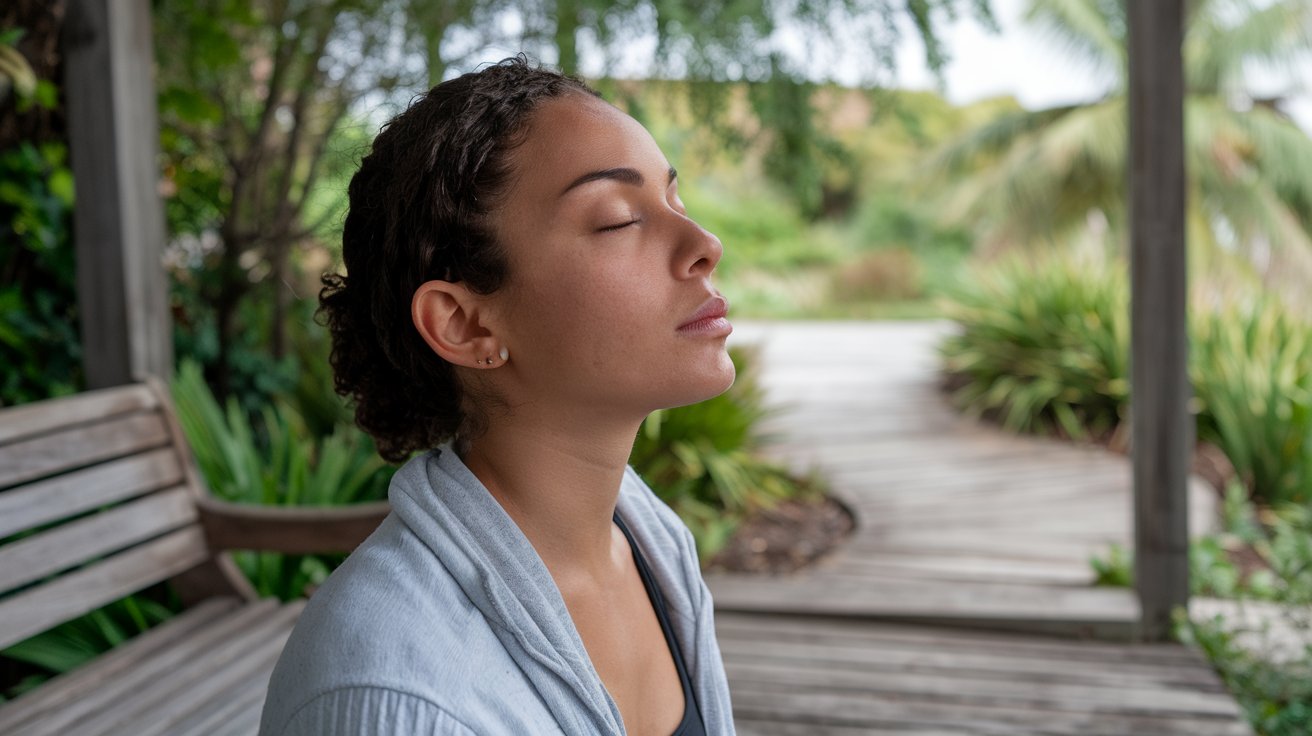
Starting a meditation practice can transform your mental well-being, reduce stress, and improve focus in just minutes per day. This comprehensive guide provides practical steps for beginners to establish a sustainable meditation routine, covering essential techniques, common challenges, and proven strategies used by over 35 million Americans who meditate regularly in 2026.
What Is Meditation and Why Start a Practice?
Meditation is a mental training practice that involves focusing your attention and eliminating the stream of jumbled thoughts that may be crowding your mind. According to 2026 research from the National Center for Complementary and Integrative Health, regular meditation practice can significantly reduce anxiety, improve concentration, and enhance overall quality of life for practitioners across the United States.
The benefits of establishing a meditation practice for beginners extend beyond stress relief. Studies show that consistent meditation can lower blood pressure, improve sleep quality, boost immune function, and increase emotional regulation. For Americans dealing with high-stress lifestyles, starting a daily meditation practice has become an essential tool for maintaining mental and physical health in our fast-paced society.
Essential Steps to Start Meditation for Beginners
Learning how to start meditation requires understanding the fundamental steps that create a successful practice. The key is beginning with simple, achievable goals that build confidence and establish routine. Most meditation for beginners programs recommend starting with just 5-10 minutes daily, gradually increasing duration as comfort and focus improve.
Choose Your Meditation Space
Creating a dedicated space for your meditation practice at home significantly improves consistency and focus. Select a quiet corner, spare room, or even a comfortable chair where you can sit undisturbed. The space doesn’t need to be large or elaborate – even a small cushion in a peaceful corner works perfectly for meditation for beginners sessions.
Set a Consistent Time
Establishing a regular schedule is crucial for developing a meditation practice that becomes second nature. Many successful practitioners recommend morning meditation before daily activities begin, as the mind is naturally calmer and less cluttered. However, choose a time that works best for your lifestyle – consistency matters more than the specific time you select for your daily meditation practice.
Basic Meditation Techniques for Beginners
Understanding different basic meditation techniques allows beginners to find approaches that resonate with their personality and goals. The most effective techniques for newcomers focus on breath awareness, body scanning, and mindfulness observation. These foundational practices form the cornerstone of any successful meditation practice and require no special equipment or extensive training.
Breath Awareness Meditation
Breath awareness meditation serves as the perfect starting point for beginners because breathing is natural and always available. Simply focus attention on your natural breathing pattern, noticing the sensation of air entering and leaving your nostrils. When your mind wanders – which is completely normal – gently return attention to your breath without judgment. This 5-minute meditation for beginners technique can be practiced anywhere and forms the foundation for more advanced practices.
Body Scan Meditation
Body scan meditation involves systematically focusing attention on different parts of your body, from head to toe or vice versa. This technique helps develop bodily awareness while promoting deep relaxation. Start by focusing on your toes, noticing any sensations, then slowly move up through your legs, torso, arms, and head. This meditation technique for beginners particularly helps those who struggle with racing thoughts by providing a structured focus path.
How to Start Meditation for Anxiety Relief
Many Americans begin meditation for anxiety relief, seeking natural alternatives to manage stress and worry. Research from the American Psychological Association shows that regular meditation practice can reduce anxiety symptoms by up to 60% in consistent practitioners. The key is choosing techniques specifically designed to calm an overactive mind and nervous system.
When starting meditation practice for anxiety management, begin with shorter sessions of 5-10 minutes to avoid overwhelming an already stressed mind. Focus on grounding techniques like breath counting or progressive muscle relaxation. These approaches help activate the parasympathetic nervous system, promoting a natural relaxation response that counteracts anxiety symptoms effectively for beginners learning to meditate.
Free Resources for Meditation Practice
Accessing meditation for beginners free resources has never been easier, with numerous apps, websites, and community programs available throughout the United States. Popular free options include Insight Timer, which offers thousands of guided meditations, and YouTube channels dedicated to meditation practice instruction. Many libraries also provide free meditation books and audiobooks for those preferring traditional learning methods.
Local community centers, yoga studios, and wellness centers often host free meditation classes for beginners, providing opportunities to learn in group settings with experienced instructors. These resources help establish proper technique while building community connections with fellow practitioners. Additionally, many hospitals and healthcare systems now offer free meditation programs as part of wellness initiatives, recognizing the proven health benefits of regular meditation practice.
Building a Daily Meditation Routine
Developing a sustainable daily meditation practice requires realistic goal-setting and gradual progression. Start with just 5 minutes per day for the first week, then gradually increase by 2-3 minutes weekly until reaching your desired duration. Most experts recommend 15-20 minutes daily for optimal benefits, though even shorter sessions provide measurable improvements in stress and focus for beginners.
Track your progress using a simple journal or smartphone app to maintain motivation and identify patterns in your meditation practice. Note how you feel before and after each session, any challenges encountered, and insights gained. This documentation helps refine your approach and demonstrates the cumulative benefits of consistent practice, encouraging long-term commitment to your daily meditation routine.
Common Meditation Challenges and Solutions
New practitioners often encounter obstacles when learning how to start meditation, but understanding common challenges helps overcome them quickly. The most frequent issues include restless thoughts, physical discomfort, and difficulty maintaining consistency. Remember that these challenges are normal parts of developing any meditation practice and diminish with time and patience.
When thoughts become overwhelming during meditation for beginners sessions, avoid fighting them. Instead, acknowledge wandering thoughts without judgment and gently redirect attention to your chosen focus point. For physical discomfort, experiment with different sitting positions, cushions, or chairs until finding a comfortable setup that supports longer meditation practice sessions without distraction.
Best Meditation Apps and Tools for 2026
Technology has revolutionized access to quality meditation for beginners instruction, with sophisticated apps offering personalized programs and progress tracking. Leading apps in 2026 include Headspace, Calm, and Ten Percent Happier, each providing structured courses for developing a strong meditation practice foundation. These platforms offer various techniques, session lengths, and specialized programs for different goals like anxiety reduction or sleep improvement.
Many apps now incorporate AI-powered features that adapt to individual progress and preferences, making how to start meditation more accessible than ever. Features include customizable background sounds, reminder systems, and detailed progress analytics that help maintain motivation throughout your meditation practice journey. Premium subscriptions typically cost $5-15 monthly but often include free trial periods for beginners to explore different approaches.
Related video about how to start a meditation practice
This video complements the article information with a practical visual demonstration.
What you should know
How long should beginners meditate each day?
Beginners should start with 5-10 minutes daily and gradually increase duration as comfort develops. Most meditation experts recommend building up to 15-20 minutes per session for optimal benefits, though even 5-minute sessions provide measurable stress reduction and focus improvements for new practitioners.
What are the 5 R’s of meditation practice?
The 5 R’s of meditation are: Relax (settle into comfortable position), Repeat (use mantras or focus points), Reflect (observe thoughts without judgment), Retreat (step back from mental chatter), and Return (gently redirect attention when mind wanders). These principles guide effective meditation practice for beginners and experienced practitioners alike.
Can meditation help with anxiety and stress?
Yes, research shows meditation significantly reduces anxiety and stress levels. Studies indicate regular practice can decrease anxiety symptoms by up to 60% while improving emotional regulation and resilience. Meditation activates the parasympathetic nervous system, promoting natural relaxation responses that counteract stress hormones effectively.
Is it normal for the mind to wander during meditation?
Mind wandering is completely normal and expected during meditation, especially for beginners. The practice isn’t about stopping thoughts but learning to observe them without judgment and gently returning focus to your chosen anchor point. Each time you notice wandering and redirect attention, you’re strengthening your meditation skills.
What’s the best time of day to meditate?
The best time to meditate is when you can maintain consistency. Many practitioners prefer morning meditation before daily activities begin, as the mind is naturally calmer. However, lunch breaks, evening wind-down periods, or any consistent time that fits your schedule works effectively for building a sustainable practice.
Do I need special equipment to start meditating?
No special equipment is required to start meditation. A quiet space and comfortable sitting position are sufficient for most practices. Optional items like meditation cushions, blankets, or apps can enhance comfort and guidance but aren’t necessary. The most important elements are consistency, patience, and willingness to practice regularly.
| Meditation Aspect | Beginner Recommendation | Expected Benefit |
|---|---|---|
| Daily Duration | Start 5-10 minutes, build to 15-20 | Sustainable habit formation |
| Practice Time | Consistent daily schedule | Improved routine adherence |
| Technique Focus | Breath awareness or body scan | Enhanced concentration skills |
| Learning Resources | Free apps and community classes | Cost-effective skill development |
| Progress Tracking | Simple journal or app logging | Maintained motivation and insights |