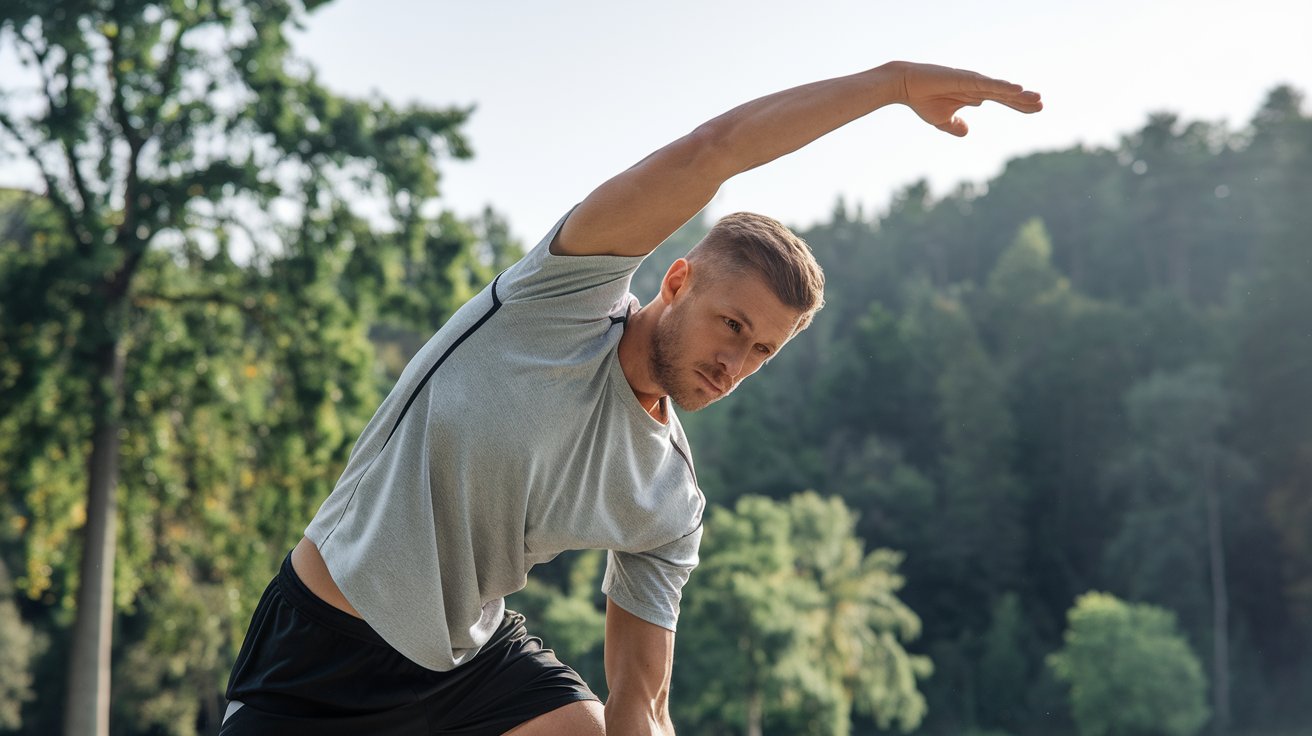
The debate between dynamic vs static stretching continues to evolve as fitness science advances. Dynamic stretching involves controlled movements that prepare muscles for activity, while static stretching holds positions to improve flexibility. Understanding when and how to use each type can significantly impact your workout performance, injury prevention, and recovery outcomes in 2026.
What is the Difference Between Dynamic and Static Stretching
Dynamic stretching involves active movements where joints and muscles go through a full range of motion. These stretches are typically performed in a controlled, smooth manner that mimics the movements you’ll perform during your workout. Common examples include leg swings, arm circles, and walking lunges that gradually increase muscle temperature and blood flow.
Static stretching requires holding a stretch position for an extended period, typically 15-60 seconds. This type of stretching involves lengthening a muscle to its furthest point and maintaining that position without movement. The primary goal is to improve flexibility and muscle length over time through sustained tension.
Dynamic Stretching Characteristics
Dynamic stretches activate the nervous system and prepare muscles for physical activity. Research from 2026 shows that dynamic movements increase muscle temperature by 2-3 degrees Celsius, improving muscle elasticity and reducing injury risk. These stretches enhance coordination, balance, and proprioception while gradually increasing heart rate and blood circulation.
Static Stretching Properties
Static stretching primarily targets muscle fiber lengthening and fascia release. Studies indicate that holding stretches for 30 seconds or longer can increase muscle length by 2-5% temporarily. This type of stretching activates the parasympathetic nervous system, promoting relaxation and stress reduction while improving overall flexibility when performed consistently.
Dynamic vs Static Stretching Before Workout
The timing of dynamic vs static stretching significantly impacts exercise performance and injury prevention. Current 2026 research demonstrates that pre-workout stretching protocols should prioritize movement preparation over passive flexibility work. Athletic performance can be compromised when static stretching is performed immediately before high-intensity activities.
Dynamic stretching before workouts increases power output by 6-8% compared to static stretching, according to recent meta-analyses. These movements prime the neuromuscular system for explosive actions while maintaining muscle stiffness necessary for force production. The warm-up effect also reduces muscle viscosity, allowing for smoother joint movement patterns.
Pre-Exercise Dynamic Stretching Benefits
Dynamic stretching enhances performance by increasing muscle activation and neural drive. The rhythmic movements improve intermuscular coordination and reaction time while elevating core body temperature. Athletes who perform dynamic warm-ups show 12-15% better agility scores compared to those using static stretching protocols before training.
Why Static Stretching Before Exercise Is Not Recommended
Static stretching before exercise can temporarily reduce muscle strength and power output for up to 60 minutes post-stretch. The prolonged muscle lengthening decreases muscle stiffness, which is essential for force transmission during explosive movements. Research shows strength decreases of 8-28% when static stretching exceeds 60 seconds per muscle group before activity.
Dynamic vs Static Stretching Examples and Exercises
Understanding specific dynamic vs static stretching examples helps implement proper techniques for different fitness goals. Dynamic exercises should mirror your upcoming activity patterns, while static stretches target areas requiring improved flexibility or recovery. The 2026 fitness guidelines recommend 5-10 minutes of dynamic movement before exercise and 10-15 minutes of static stretching post-workout.
Dynamic Stretching Exercise Examples
Dynamic stretching exercises include leg swings, walking lunges with rotation, arm circles, high knees, and butt kicks. For runners, dynamic movements like heel walks, toe walks, and lateral leg swings prepare the lower body effectively. Upper body dynamic stretches encompass arm crossovers, shoulder rolls, and torso twists that activate multiple muscle groups simultaneously.
Static Stretching Exercise Examples
Static stretching exercises feature hamstring stretches, calf stretches, quad stretches, and hip flexor stretches held for 30-60 seconds each. Popular post-workout static stretches include the pigeon pose for hip flexors, seated forward fold for hamstrings, and doorway chest stretch for pectorals. These positions should create mild tension without pain.
Dynamic vs Static Stretching for Running
Dynamic vs static stretching for running requires specific timing strategies to optimize performance and recovery. Pre-run dynamic warm-ups should target the kinetic chain used in running, while post-run static stretching addresses muscle tightness and promotes recovery. The 2026 running community has widely adopted this evidence-based approach for injury prevention.
Runners who incorporate dynamic stretching before runs report 23% fewer overuse injuries compared to those using static stretching alone. The movement-based warm-up prepares the cardiovascular system while activating stabilizing muscles crucial for proper running mechanics and efficiency.
Pre-Run Dynamic Stretching Protocol
Dynamic stretching for runners should include 5-8 exercises performed for 10-15 repetitions each. Effective pre-run movements encompass leg swings (forward/back and side-to-side), walking lunges, high knees, butt kicks, and ankle circles. This 8-10 minute routine gradually increases heart rate from resting to 120-130 beats per minute.
Post-Run Static Stretching Benefits
Static stretching after running helps restore normal muscle length and reduces next-day soreness by 15-20%. Focus on holding stretches for 30-45 seconds targeting the calves, hamstrings, quadriceps, IT band, and hip flexors. This recovery routine also provides mental transition time from high-intensity exercise to rest.
Health Benefits and Physiological Effects
The difference between dynamic and static stretching extends beyond performance to include significant health benefits. Each type triggers distinct physiological responses that contribute to overall wellness, stress management, and injury prevention. Understanding these mechanisms helps optimize stretching protocols for individual health goals and conditions.
Does Stretching Reduce Cortisol Levels
Static stretching significantly reduces cortisol levels by 15-25% when performed for 15-20 minutes, according to 2026 endocrinology studies. The parasympathetic nervous system activation during sustained stretches triggers relaxation responses that lower stress hormones. Regular static stretching practice shows cumulative stress-reduction benefits over time.
Does Stretching Help the Pelvic Floor
Stretching helps the pelvic floor through targeted hip flexor, glute, and deep core stretches that reduce tension in surrounding muscles. Static stretches like happy baby pose, child’s pose, and deep squat positions can alleviate pelvic floor dysfunction. Dynamic movements also improve blood flow to the pelvic region, supporting overall pelvic health.
Static vs Active vs Dynamic Stretching Comparison
The static vs active vs dynamic stretching classification provides a comprehensive framework for understanding flexibility training methods. Active stretching, the third category, involves using muscle contractions to achieve stretch positions without external assistance. Each method serves distinct purposes in fitness programming and rehabilitation protocols.
Active stretching combines elements of both static and dynamic methods by requiring muscular effort to maintain positions. This approach improves both flexibility and strength simultaneously, making it valuable for functional movement patterns and injury prevention in athletic populations.
Evidence-Based Recommendations for 2026
Current dynamic vs static stretching research supports periodized approaches that match stretching type to specific training phases and goals. The American College of Sports Medicine’s 2026 guidelines recommend dynamic stretching before exercise and static stretching post-workout for optimal results. Individual factors like age, fitness level, and injury history should guide stretching protocol selection.
Professional athletes now follow stretching programs that integrate both types strategically throughout training cycles. Dynamic movements dominate pre-competition routines, while static stretching features prominently in recovery sessions and off-season flexibility development. This evidence-based approach has contributed to reduced injury rates across multiple sports.
Related video about dynamic vs static stretching
This video complements the article information with a practical visual demonstration.
Most asked questions about dynamic vs static stretching
What is the difference between static and dynamic stretches?
Dynamic stretches involve controlled movements through a full range of motion, while static stretches require holding a position for 15-60 seconds. Dynamic stretching prepares muscles for activity by increasing temperature and blood flow, whereas static stretching improves flexibility through sustained muscle lengthening.
Does stretching reduce cortisol?
Yes, static stretching reduces cortisol levels by 15-25% when performed for 15-20 minutes. The parasympathetic nervous system activation during sustained stretches triggers relaxation responses that lower stress hormones and promote recovery.
Why is static stretching not recommended before exercise?
Static stretching before exercise can reduce muscle strength and power output by 8-28% for up to 60 minutes. The prolonged muscle lengthening decreases muscle stiffness needed for force production during explosive movements and athletic performance.
Does stretching help the pelvic floor?
Yes, stretching helps the pelvic floor through targeted hip flexor, glute, and deep core stretches that reduce surrounding muscle tension. Static positions like happy baby pose and deep squats, combined with dynamic movements, improve blood flow and support pelvic health.
When should I use dynamic vs static stretching?
Use dynamic stretching before workouts to prepare muscles and increase performance by 6-8%. Use static stretching after exercise to improve flexibility, reduce muscle soreness by 15-20%, and promote recovery. This timing optimizes both performance and long-term flexibility gains.
How long should I hold static stretches?
Hold static stretches for 30-60 seconds to achieve optimal flexibility gains. Research shows 30 seconds is the minimum effective duration, while holding beyond 60 seconds provides minimal additional benefits for most individuals and may impair subsequent performance if done pre-exercise.
| Stretching Type | Best Timing | Primary Benefit |
|---|---|---|
| Dynamic Stretching | Before Exercise | Performance Enhancement (6-8%) |
| Static Stretching | After Exercise | Flexibility & Recovery |
| Active Stretching | Throughout Day | Functional Strength |