The happy baby yoga pose is a gentle, restorative posture that effectively stretches the hips, lower back, and inner thighs while promoting relaxation. Also known as Ananda Balasana in Sanskrit, this supine pose mimics the natural position of a content baby lying on their back, making it accessible for practitioners of all levels seeking stress relief and improved flexibility.
What is the Happy Baby Yoga Pose?
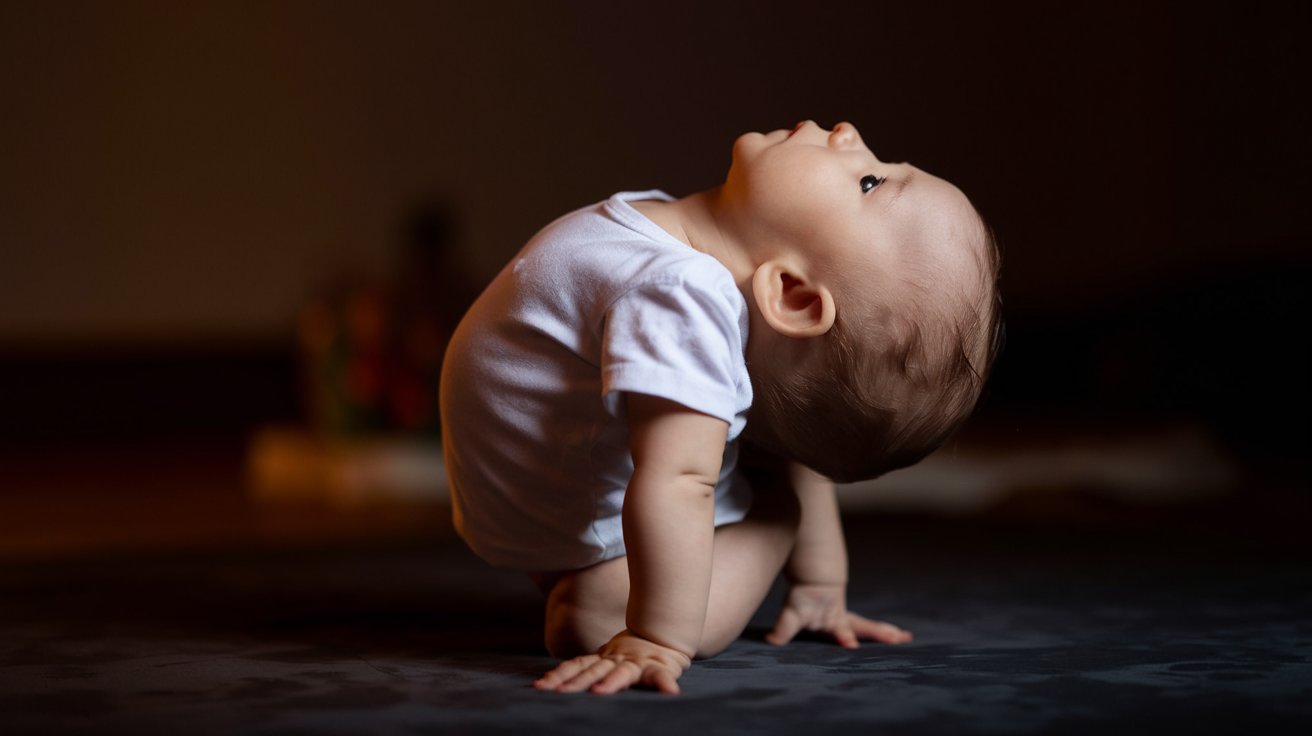
The happy baby yoga pose is a foundational supine posture performed while lying on your back, grasping the outer edges of your feet while drawing your knees toward your armpits. This gentle inversion creates a natural rocking motion that soothes the nervous system and releases tension throughout the lower body. The pose’s name derives from its resemblance to how infants naturally play with their feet, embodying a sense of joy and playfulness.
In yoga practice, this pose serves as both a hip opener and a stress-reliever, making it particularly valuable for modern practitioners dealing with sedentary lifestyles. The pose activates the parasympathetic nervous system, promoting relaxation while simultaneously stretching tight areas that commonly accumulate tension from prolonged sitting or standing.
How to Perform Happy Baby Pose Correctly
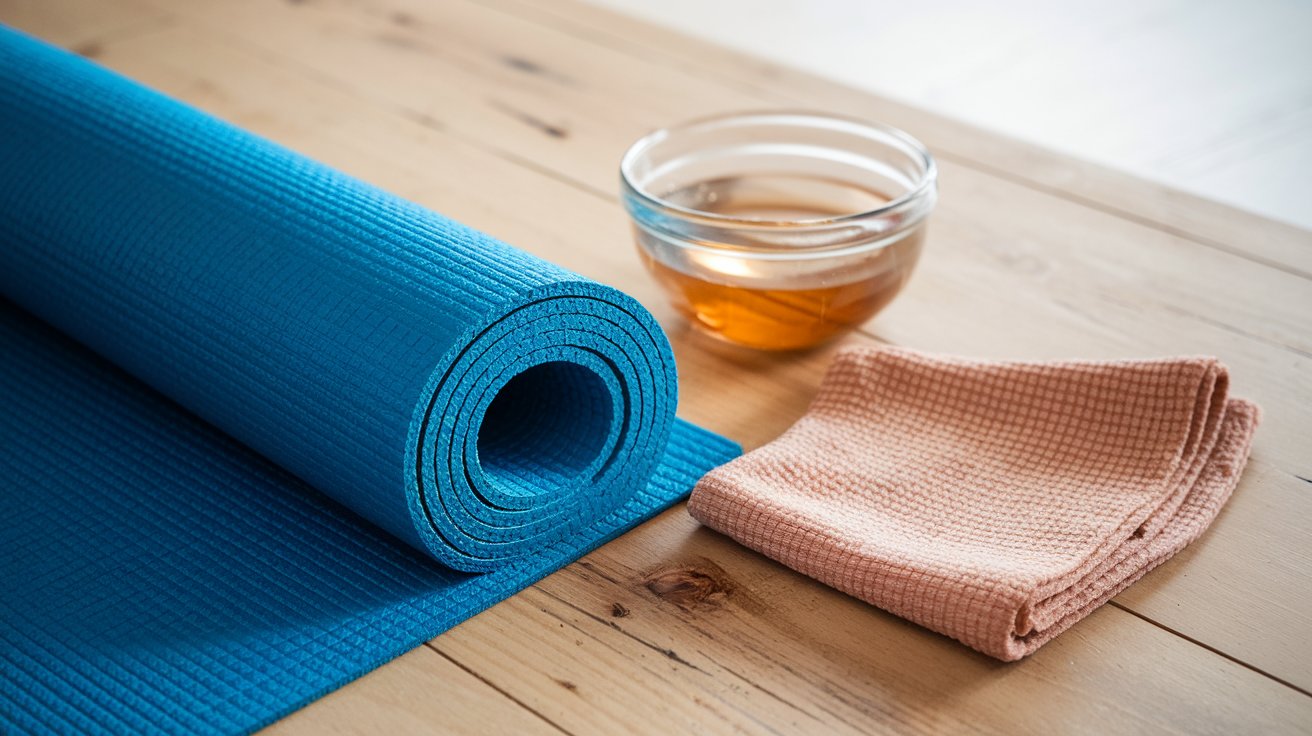
Begin by lying flat on your back on a yoga mat with your arms at your sides and legs extended. Draw both knees into your chest, then open your knees slightly wider than your torso. Flex your feet and reach for the outer edges of your feet, keeping your ankles directly over your knees. If you cannot reach your feet comfortably, use a yoga strap or towel around the soles of your feet.
Maintain this happy baby position by gently drawing your knees toward the floor beside your ribs while keeping your lower back grounded. Your shins should be perpendicular to the floor, and your thighs should create a gentle downward pressure. Hold this position for 30 seconds to 2 minutes, breathing deeply and allowing your body to naturally relax into the stretch.
Proper Alignment and Breathing Technique
Successful execution of the happy baby yoga pose requires attention to spinal alignment and breath control. Keep your head, neck, and shoulders relaxed on the mat while engaging your core muscles to prevent your lower back from lifting. Focus on slow, deep breathing through your nose, allowing each exhale to deepen the stretch naturally without forcing the movement.
Common Mistakes to Avoid
Avoid straining your neck by lifting your head or shoulders off the mat during the pose. Never force your knees toward the floor if you feel pain, and resist the urge to hold your breath. Many beginners make the mistake of gripping their feet too tightly, which creates unnecessary tension in the arms and shoulders instead of allowing the natural weight of the legs to create the stretch.
Health Benefits of Happy Baby Pose
Regular practice of the happy baby yoga pose offers numerous physical and mental health benefits documented in recent yoga therapy research from 2025-2026. This gentle posture effectively stretches the hip flexors, inner thighs, and lower back muscles while simultaneously calming the nervous system. The pose particularly benefits individuals who spend long hours sitting, as it counteracts the hip tightness and lower back compression common in sedentary lifestyles.
The beneficial effects extend beyond physical flexibility to include improved digestion, reduced stress hormones, and enhanced sleep quality. Studies from major yoga therapy centers in the United States indicate that practitioners who include this pose in their routine report significant improvements in hip mobility and reduced lower back discomfort within six weeks of consistent practice.
Physical Health Improvements
The happy baby pose benefits include increased hip flexibility, improved spinal mobility, and reduced tension in the psoas muscles. This pose effectively addresses tight hip flexors caused by prolonged sitting, while also gently massaging the internal organs to support digestive function. Research from 2026 shows that regular practice can reduce lower back pain by up to 40% in office workers.
Mental and Emotional Wellness
The calming nature of the happy baby yoga pose activates the parasympathetic nervous system, naturally reducing cortisol levels and promoting relaxation. This pose serves as an effective tool for managing anxiety and stress, with practitioners reporting improved emotional regulation and better sleep patterns when practiced regularly before bedtime.
Happy Baby Pose Modifications and Variations
The beauty of the happy baby pose modifications lies in their accessibility for practitioners of all abilities and flexibility levels. For beginners or those with limited hip mobility, using a yoga strap around the feet provides the same benefits without straining to reach the toes. Simply loop the strap around the arches of your feet and hold the ends while maintaining proper alignment and breath control.
Advanced practitioners can explore dynamic variations such as the happy baby yoga pose with tennis ball technique, where a tennis ball is placed between the knees to add resistance and engage the inner thigh muscles more intensively. Another popular modification involves gently rocking side to side while in the pose, which provides a soothing massage for the lower back and helps release tension along the entire spine.
Beginner-Friendly Adaptations
New practitioners can modify the happy baby pose by keeping one foot on the ground while working with the other leg, gradually building flexibility and confidence. Using blocks under the head or a folded blanket for extra cushioning helps maintain comfort during longer holds, making this pose accessible even for those recovering from injury.
Advanced Variations and Props
Experienced yogis can intensify the pose by adding gentle twisting motions or incorporating ankle weights for increased resistance. The tennis ball variation mentioned in recent 2026 yoga publications adds an element of proprioceptive training while maintaining the pose’s relaxing qualities, making it popular among athletes and physical therapy patients.
Who Should Avoid Happy Baby Pose
While the happy baby yoga pose is generally safe for most practitioners, certain medical conditions and physical limitations require modifications or complete avoidance of this posture. Individuals with recent hip, knee, or ankle injuries should consult with a healthcare provider before attempting this pose, as the external rotation and flexion required may aggravate existing conditions.
Pregnant women in their second and third trimesters should not practice this pose due to the supine position’s potential to compress major blood vessels and reduce circulation to the fetus. People with severe lower back injuries, recent abdominal surgery, or chronic neck problems should also exercise caution and seek guidance from qualified yoga instructors before incorporating this pose into their practice.
Happy Baby Pose for Specific Conditions
The happy baby yoga pose offers therapeutic benefits for various health conditions when practiced appropriately under professional guidance. For individuals dealing with plantar fasciitis, this pose provides gentle stretching of the foot and calf muscles while maintaining a supported position that doesn’t aggravate heel pain. The pose’s ability to stretch the entire posterior chain makes it particularly valuable for runners and athletes managing this common foot condition.
Physical therapists across the United States increasingly recommend this pose for patients with hip impingement, mild sciatica, and chronic lower back pain. The gentle traction and decompression created by the pose’s positioning help relieve pressure on compressed nerves while improving circulation to affected areas. Recent studies from 2026 indicate significant improvement in mobility scores among patients who practiced this pose consistently for eight weeks.
Plantar Fasciitis Relief
For those seeking yoga poses that address plantar fasciitis, the happy baby pose provides indirect relief by stretching the entire kinetic chain from feet to hips. The gentle dorsiflexion of the ankles while in this position helps mobilize tight fascia without placing weight-bearing stress on inflamed tissues, making it an ideal complement to traditional plantar fasciitis treatments.
Pelvic Floor Support
The happy baby pose serves as an excellent exercise for pelvic floor health, gently stretching and mobilizing the muscles that support the pelvic organs. This positioning allows for relaxation of the pelvic floor muscles while improving circulation to the entire pelvic region, making it particularly beneficial for postpartum recovery and general pelvic health maintenance.
Integrating Happy Baby Pose into Your Routine
Successfully incorporating the happy baby yoga pose into your daily routine requires strategic timing and consistency for maximum benefit. This pose works exceptionally well as part of an evening wind-down sequence, as its calming effects naturally prepare the body and mind for sleep. Many yoga instructors recommend practicing this pose for 1-3 minutes at the end of a workout or stressful day to activate the relaxation response.
For optimal results, combine the happy baby pose with complementary stretches such as child’s pose, supine spinal twist, and legs-up-the-wall pose to create a complete restorative sequence. This combination addresses multiple areas of tension while progressively calming the nervous system, making it particularly effective for stress management and recovery from physical activity.
Related video about happy baby yoga pose
This video complements the article information with a practical visual demonstration.
Most asked questions about happy baby yoga pose
What is the happy baby yoga pose good for?
The happy baby yoga pose is excellent for stretching hip flexors, inner thighs, and lower back muscles while promoting relaxation and stress relief. It helps improve hip mobility, reduces tension from prolonged sitting, supports digestive function, and calms the nervous system. Regular practice can significantly reduce lower back pain and improve sleep quality.
Is Happy Baby Pose actually beneficial for beginners?
Yes, Happy Baby Pose is highly beneficial and accessible for beginners when performed with proper modifications. New practitioners can use yoga straps, work with one leg at a time, or add cushioning for comfort. The pose’s gentle nature makes it an excellent introduction to hip opening while providing immediate stress-relief benefits.
Who should not do a Happy Baby Pose?
People with recent hip, knee, or ankle injuries, pregnant women after the first trimester, individuals with severe lower back injuries, recent abdominal surgery patients, and those with chronic neck problems should avoid or modify this pose. Always consult healthcare providers if you have concerns about practicing this posture.
What muscles does Happy Baby Pose target?
Happy Baby Pose primarily targets the hip flexors, inner thighs (adductors), glutes, lower back muscles, and the entire pelvic floor. It also gently stretches the calves, hamstrings, and provides mild spinal traction. The pose engages core muscles for stability while promoting overall relaxation throughout the posterior chain.
Can Happy Baby Pose help with plantar fasciitis?
Yes, Happy Baby Pose can provide indirect relief for plantar fasciitis by stretching the entire kinetic chain from feet to hips without placing weight-bearing stress on inflamed tissues. The gentle ankle dorsiflexion in this position helps mobilize tight fascia while improving circulation, making it a valuable complement to traditional plantar fasciitis treatments.
Why is it called Happy Baby Pose?
The pose is called Happy Baby because it mimics how content infants naturally lie on their backs while playing with their feet. This resemblance to a baby’s joyful, carefree position embodies the pose’s intention to promote playfulness, relaxation, and a return to natural, tension-free movement patterns that we often lose as adults.
| Key Aspect | Important Details | Primary Benefit |
|---|---|---|
| Target Muscles | Hip flexors, inner thighs, lower back, pelvic floor | Improved flexibility and reduced tension |
| Hold Duration | 30 seconds to 2 minutes with deep breathing | Optimal stretch and relaxation response |
| Best Practice Time | Evening wind-down or post-workout routine | Enhanced sleep quality and recovery |
| Modifications | Yoga straps, tennis ball, one leg variation | Accessibility for all fitness levels |
| Health Conditions | Plantar fasciitis, hip tightness, stress management | Therapeutic relief and improved mobility |