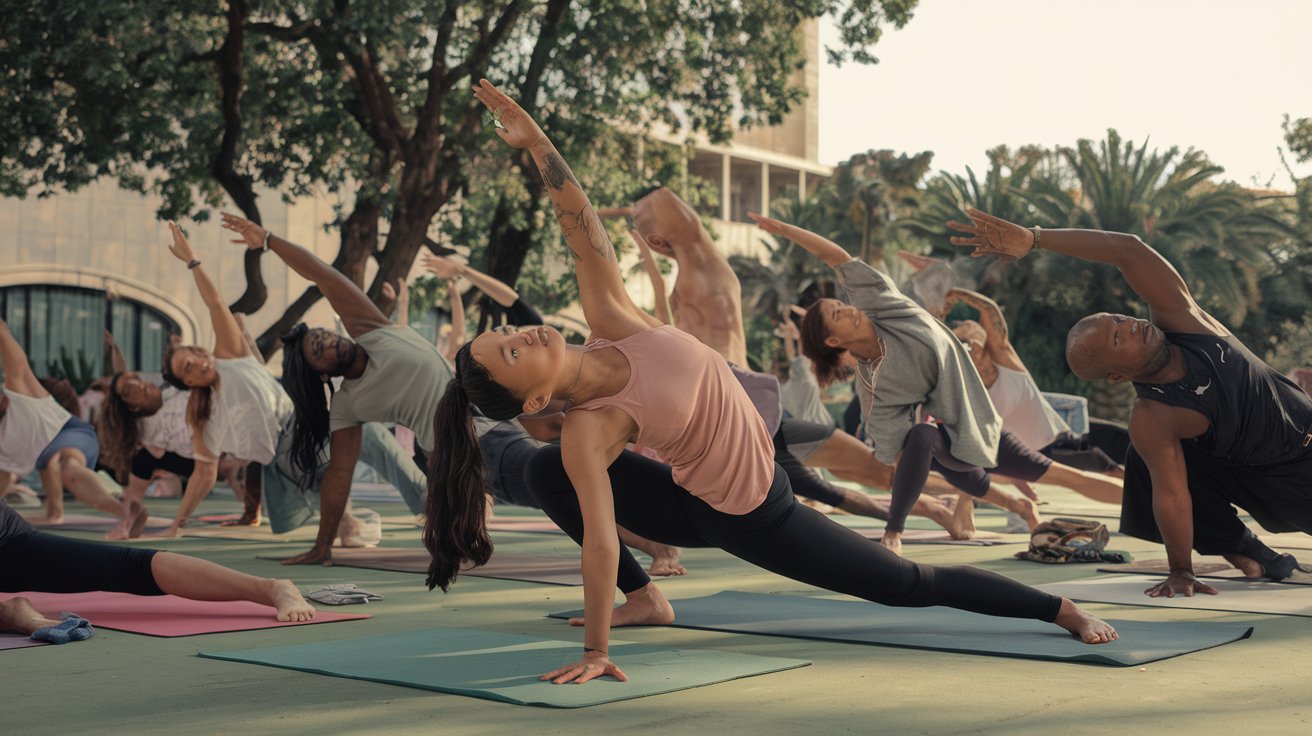
Movement is one of the most powerful ways to reduce stress naturally, offering immediate relief through proven physiological and psychological mechanisms. Research from 2026 shows that even 10 minutes of intentional movement can significantly lower cortisol levels and activate the body’s relaxation response. This comprehensive guide explores evidence-based movement strategies that help Americans manage stress effectively in our fast-paced modern world.
The Science Behind Movement and Stress Reduction
Movement triggers immediate biochemical changes that reduce stress levels throughout the body. When we engage in physical activity, our brains release endorphins, dopamine, and norepinephrine while simultaneously decreasing cortisol production. This natural stress response has evolved over millions of years, making movement one of the most reliable ways to reduce stress available to humans.
Recent neuroimaging studies from 2026 reveal that just 15 minutes of moderate movement activates the prefrontal cortex while calming the amygdala, the brain’s fear center. This neurological shift explains how to reduce stress effectively through movement, as it literally rewires our stress response patterns and improves emotional regulation for hours after exercise completion.
Movement-Based Stress Relief Techniques
Understanding practical movement techniques for stress relief empowers individuals to choose activities that match their preferences and fitness levels. The key principle involves finding sustainable movement patterns that feel enjoyable rather than burdensome, ensuring long-term adherence to stress management routines.
Walking as Natural Stress Medicine
Walking remains the most accessible form of movement to reduce stress, requiring no equipment or special training. Research indicates that a 20-minute walk in nature reduces cortisol by 23% while improving mood scores significantly. The rhythmic nature of walking activates the parasympathetic nervous system, promoting the body’s natural relaxation response and providing immediate stress relief benefits.
Dance Movement for Emotional Release
Dance combines physical movement with creative expression, making it particularly effective for stress reduction through movement. The combination of music, rhythm, and bodily expression activates multiple brain regions simultaneously, creating a powerful stress-busting effect. Even 10 minutes of freestyle dancing can release accumulated tension while boosting endorphin levels significantly.
The Mind-Body Connection in Stress Management
The intricate relationship between mental and physical states explains how movement reduces stress on multiple levels simultaneously. When we move our bodies intentionally, we create space between stressful thoughts and our emotional responses, developing greater resilience to daily pressures and challenges.
Mindful movement practices like yoga and tai chi exemplify this mind-body integration, combining physical postures with breath awareness and mental focus. These practices teach the nervous system to shift from stress to relaxation more efficiently, creating lasting changes in stress response patterns that extend far beyond exercise sessions.
Quick Movement Solutions for Immediate Stress Relief
Busy Americans need practical strategies that fit into demanding schedules, making quick movement techniques for stress relief essential for modern stress management. These time-efficient approaches provide immediate benefits without requiring significant time investments or schedule disruptions.
The 10-Minute Stress Reset Protocol
This evidence-based protocol answers the question how to reduce stress in 10 minutes through targeted movement sequences. Begin with 3 minutes of deep breathing while gently rolling shoulders and neck, follow with 5 minutes of brisk walking or stair climbing, then conclude with 2 minutes of gentle stretching. This sequence activates stress-relief mechanisms while fitting easily into work breaks.
Desk-Based Movement for Workplace Stress
Workplace stress affects millions of Americans daily, making desk-friendly movement strategies for stress reduction critically important. Simple exercises like seated spinal twists, shoulder blade squeezes, and ankle circles can interrupt stress cycles without leaving your workspace. These micro-movements signal the nervous system to shift toward relaxation while maintaining professional appearance.
The 3-3-3 Rule for Movement-Based Stress Management
The 3-3-3 rule provides a structured framework for using movement to reduce stress consistently throughout daily life. This approach involves identifying 3 movement activities you enjoy, practicing them for 3 minutes each, and repeating this cycle 3 times daily. This simple structure makes stress management sustainable while providing regular opportunities for stress relief.
Implementation of this stress reduction rule might include morning stretches, midday walking, and evening yoga poses. The key lies in consistency rather than intensity, as regular movement patterns create cumulative stress-reduction benefits that compound over time for lasting wellness improvements.
Swimming and Water-Based Stress Relief
Water-based movement offers unique advantages for stress reduction through movement, combining buoyancy benefits with rhythmic breathing patterns. Swimming creates a meditative state through repetitive motions while providing full-body exercise benefits. The sensory experience of water contact further enhances relaxation responses, making aquatic activities particularly effective for stress management.
Even gentle water walking or floating can provide significant stress relief benefits for individuals with joint limitations or mobility concerns. The hydrostatic pressure of water naturally reduces cortisol levels while supporting the body’s weight, creating an ideal environment for stress-free movement and relaxation.
Yoga and Stretching for Stress Release
Yoga represents one of the most researched forms of movement for stress reduction, with studies showing measurable improvements in anxiety, depression, and stress hormone levels. The combination of physical postures, controlled breathing, and mindful awareness creates a powerful trifecta for nervous system regulation and emotional balance.
Gentle Yoga Sequences for Beginners
Beginner-friendly yoga practices focus on accessible poses that provide immediate stress relief through gentle movement. Simple sequences like cat-cow stretches, child’s pose, and legs-up-the-wall pose activate the relaxation response without requiring advanced flexibility or strength. These foundational poses can be practiced anywhere and modified for different ability levels.
Dynamic Stretching for Active Stress Relief
Dynamic stretching combines movement with flexibility training, offering an active approach to reducing stress through movement. Flowing movements like arm circles, leg swings, and gentle twists increase blood flow while releasing physical tension. This approach particularly benefits individuals who prefer more active stress management techniques over static poses.
High-Energy Movement for Stress Burnout
Intense physical activity serves as a powerful outlet for accumulated stress and frustration, providing cathartic release through vigorous movement patterns. High-intensity activities like running, cycling, or strength training allow the body to metabolize stress hormones while building physical resilience. This approach particularly benefits individuals dealing with chronic stress or emotional overwhelm.
The key to using intense exercise for stress management through movement lies in finding the right balance between challenge and recovery. Excessive intensity can actually increase stress levels, while appropriate intensity provides therapeutic benefits and improved stress tolerance over time.
Creating Your Personal Movement Stress Plan
Developing a sustainable movement routine for stress reduction requires understanding personal preferences, lifestyle constraints, and individual stress patterns. Successful stress management plans incorporate variety, flexibility, and realistic expectations while maintaining consistency in movement practices. The goal involves creating sustainable habits rather than perfect execution.
Assessment of current stress levels, available time, and movement preferences helps identify the most effective strategies for reducing stress through movement. Regular evaluation and adjustment ensure the plan remains relevant and effective as life circumstances change and stress management needs evolve over time.
Related video about how to reduce stress through movement
This video complements the article information with a practical visual demonstration.
Your questions answered
How to reduce stress when moving to a new location?
Physical relocation stress can be managed through gentle movement practices like walking in your new neighborhood, unpacking with frequent stretching breaks, and practicing deep breathing exercises. Focus on 10-15 minutes of movement daily to maintain stress hormone balance during transition periods.
What is the 3-3-3 rule for stress management?
The 3-3-3 rule involves identifying 3 things you can see, 3 sounds you can hear, and moving 3 parts of your body. For movement-based stress relief, practice 3 different exercises for 3 minutes each, repeated 3 times daily to maintain consistent stress reduction benefits.
How to reduce stress in 10 minutes using movement?
A 10-minute stress reduction protocol includes 3 minutes of deep breathing with gentle movement, 5 minutes of brisk walking or stair climbing, and 2 minutes of stretching. This sequence activates endorphin release while lowering cortisol levels for immediate stress relief.
What are 5 ways to reduce stress through movement?
Five effective movement strategies include: walking in nature for 20 minutes, practicing yoga or stretching for flexibility, dancing for emotional release, swimming for full-body relaxation, and high-intensity exercise for stress hormone metabolism. Each approach offers unique benefits for stress management.
Can gentle movement help reduce stress for seniors?
Gentle movement like chair exercises, water walking, tai chi, and slow stretching provides excellent stress relief for seniors. These low-impact activities improve circulation, release muscle tension, and boost mood while accommodating mobility limitations and joint concerns safely.
How often should I move to reduce stress effectively?
Research shows that 150 minutes of moderate movement per week provides optimal stress reduction benefits. This translates to 20-30 minutes daily or breaking movement into shorter 5-10 minute sessions throughout the day for cumulative stress management benefits.
| Movement Type | Time Required | Stress Reduction Benefit |
|---|---|---|
| Walking | 20 minutes | 23% cortisol reduction |
| Yoga | 15 minutes | Improved anxiety scores |
| Dancing | 10 minutes | Enhanced mood and endorphins |
| Swimming | 30 minutes | Full-body relaxation response |
| Stretching | 5 minutes | Immediate tension release |