Experiencing muscle soreness after exercise is completely normal, but knowing how to effectively relieve this discomfort can dramatically improve your recovery time. Whether you’re dealing with delayed onset muscle soreness (DOMS) or immediate post-workout pain, specific scientifically-backed strategies can help you bounce back faster and feel better sooner.
Understanding Why Muscles Get Sore After Exercise
When you exercise, especially with increased intensity or new movements, microscopic tears occur in your muscle fibers. This process, known as exercise-induced muscle damage, triggers an inflammatory response that leads to the familiar aching sensation. According to 2026 research from the American College of Sports Medicine, approximately 85% of Americans experience muscle soreness within 12-72 hours after intense physical activity.
Delayed onset muscle soreness typically peaks 24-48 hours after your workout and gradually subsides over the following days. Understanding this natural process helps you implement the right recovery strategies at the optimal times for maximum relief and faster healing.
Immediate Post-Workout Recovery Strategies
The first hour after your workout is crucial for setting the foundation of effective muscle recovery. Implementing proper cool-down techniques and initial recovery protocols can significantly reduce the severity and duration of muscle soreness you’ll experience later.
Active Cool-Down and Gentle Movement
Gradually reducing your exercise intensity with a 5-10 minute cool-down helps remove metabolic waste products from your muscles. Light walking, gentle cycling, or slow swimming allows your heart rate to normalize while promoting blood circulation that aids in the recovery process.
Strategic Stretching for Muscle Relief
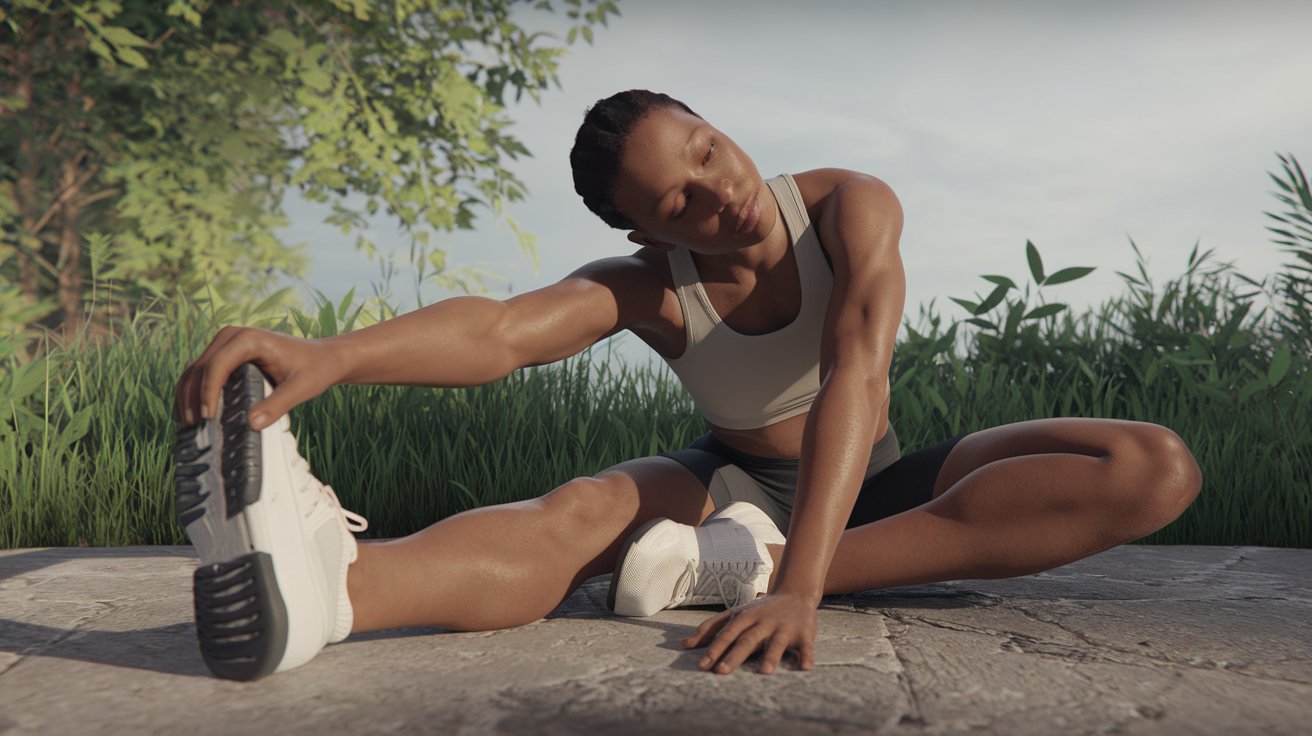
Static stretching performed immediately after exercise can help maintain muscle flexibility and reduce stiffness. Hold each stretch for 15-30 seconds, focusing on the muscle groups you worked during your session. This practice helps restore normal muscle length and promotes better blood flow to the affected areas.
Nutrition for Optimal Muscle Recovery
What you consume after exercise plays a pivotal role in how quickly your muscles heal and recover. Strategic nutrition timing and specific nutrient combinations can accelerate the repair process and minimize prolonged soreness.
Post-Workout Protein for Muscle Repair
Consuming 20-40 grams of high-quality protein within 30 minutes after exercise provides your muscles with essential amino acids needed for repair and growth. Research shows that whey protein, lean meats, eggs, or plant-based alternatives can significantly reduce muscle soreness when consumed consistently after workouts.
Carbohydrates for Energy Restoration
Complex carbohydrates help replenish glycogen stores depleted during exercise. Pairing carbs with protein in a 3:1 or 4:1 ratio optimizes recovery by providing energy for the repair process while supporting muscle protein synthesis. Whole grains, fruits, and starchy vegetables are excellent post-workout choices.
Physical Recovery Techniques for Sore Muscles
Beyond nutrition, various physical recovery methods can provide immediate relief and accelerate the healing process. These techniques work by improving circulation, reducing inflammation, and promoting tissue repair.
Foam Rolling for Muscle Recovery
Foam rolling or self-myofascial release can significantly reduce muscle tension and improve blood flow to sore areas. Spend 1-2 minutes rolling each muscle group, applying moderate pressure. Studies indicate that foam rolling can reduce muscle soreness by up to 30% when performed consistently after workouts.
Heat and Cold Therapy Applications
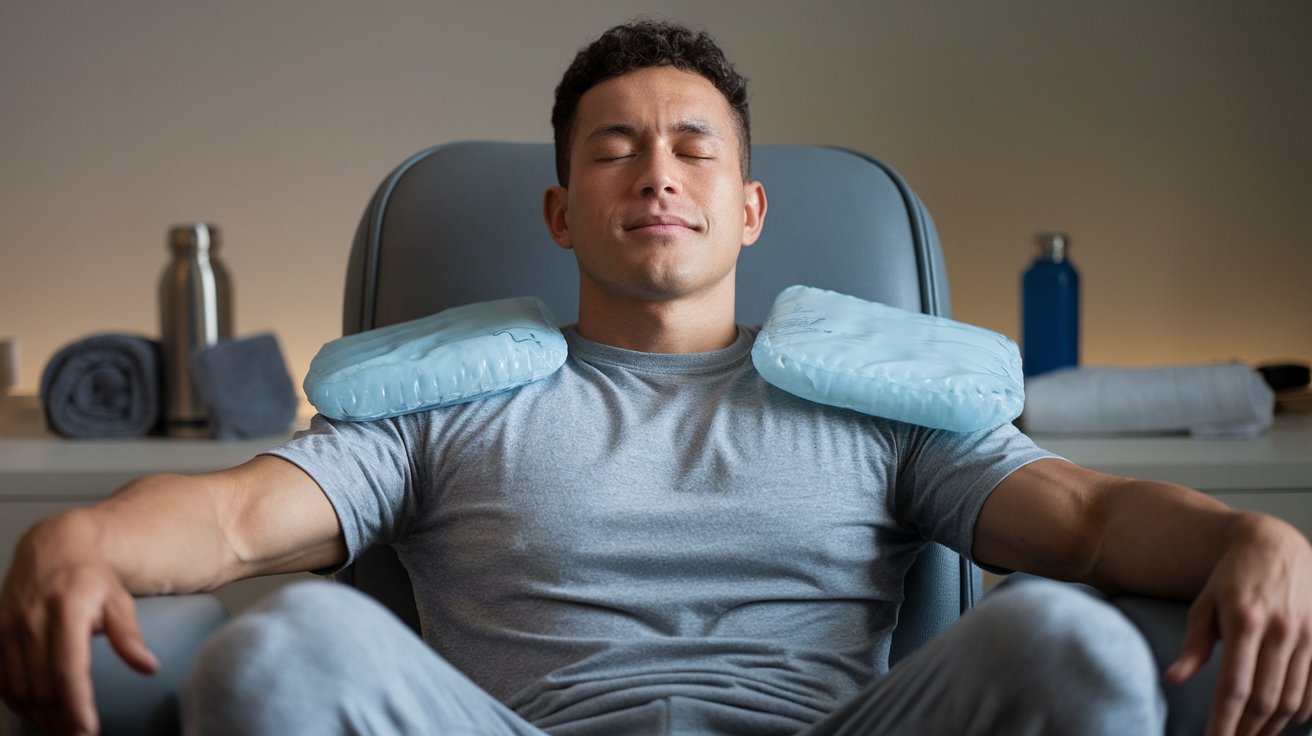
Alternating between heat and cold therapy can effectively manage muscle soreness. Apply ice for 10-15 minutes immediately after exercise to reduce inflammation, then use heat therapy 24-48 hours later to promote blood flow and relaxation. This contrast method helps optimize the healing process.
Hydration and Sleep for Muscle Recovery
Proper hydration and quality sleep are fundamental yet often overlooked aspects of effective muscle recovery. These factors work synergistically to support your body’s natural healing processes and can dramatically impact how quickly you recover from exercise-induced soreness.
Optimal Hydration for Muscle Function
Maintaining proper hydration supports nutrient transport to muscles and helps remove metabolic waste products. Aim for at least 16-24 ounces of water per hour of exercise, plus an additional 16-20 ounces within two hours post-workout. Dehydration can extend muscle soreness duration by up to 25%.
Quality Sleep for Muscle Repair
During deep sleep, your body releases growth hormone essential for muscle repair and recovery. Adults should aim for 7-9 hours of quality sleep nightly, with particular attention to sleep hygiene on workout days. Poor sleep can increase inflammation and extend muscle soreness by several days.
Natural Supplements and Remedies for Muscle Soreness
Certain natural supplements and remedies can complement your recovery routine by providing additional anti-inflammatory support and promoting faster muscle healing. These evidence-based options can be particularly beneficial for those experiencing persistent or severe muscle soreness.
Anti-Inflammatory Supplements
Omega-3 fatty acids, curcumin, and tart cherry juice have demonstrated significant anti-inflammatory properties in clinical studies. These natural compounds can reduce exercise-induced inflammation and may decrease muscle soreness intensity by 20-40% when used consistently as part of a recovery protocol.
Magnesium for Muscle Function
Magnesium supplementation supports proper muscle function and can help reduce cramping and tension. Most adults need 400-420mg daily, with athletes potentially requiring higher amounts. Magnesium deficiency is common and can contribute to prolonged muscle soreness and slower recovery times.
When to Seek Professional Help for Muscle Soreness
While normal exercise-induced muscle soreness is expected and manageable with proper care, certain symptoms warrant professional medical attention. Recognizing the difference between normal soreness and potential injury is crucial for your long-term health and fitness success.
Severe pain that persists beyond 72 hours, muscle weakness, swelling, or pain that worsens rather than improves may indicate muscle strain, rhabdomyolysis, or other serious conditions requiring immediate medical evaluation. Trust your body and seek professional guidance when soreness feels abnormal or concerning.
Related video about how to relieve sore muscles after exercise
This video complements the article information with a practical visual demonstration.
Key Questions and Answers
How long does muscle soreness typically last after exercise?
Normal muscle soreness typically peaks 24-48 hours after exercise and gradually subsides over 3-5 days. DOMS (delayed onset muscle soreness) is most intense on days 2-3 post-workout and should steadily improve with proper recovery techniques.
Is it safe to exercise when muscles are still sore?
Light exercise with sore muscles is generally safe and can actually promote recovery through increased blood flow. However, avoid intense training of the same muscle groups until soreness significantly decreases to prevent injury and allow proper recovery.
What helps sore muscles recover faster overnight?
Quality sleep, proper hydration, gentle stretching before bed, and maintaining room temperature around 65-68°F optimize overnight recovery. Consider magnesium supplementation and avoiding alcohol, which can disrupt sleep quality and delay muscle repair processes.
Why am I still extremely sore 3 days after working out?
Persistent soreness beyond 72 hours may indicate inadequate recovery practices, dehydration, poor nutrition, insufficient sleep, or potentially overtraining. If accompanied by weakness, swelling, or worsening pain, consult a healthcare provider to rule out injury.
What drinks help heal muscles after exercise?
Chocolate milk, tart cherry juice, and protein smoothies are excellent post-workout drinks. Chocolate milk provides optimal carb-to-protein ratio, tart cherry juice offers natural anti-inflammatory compounds, and protein smoothies deliver essential amino acids for muscle repair.
Should I use heat or ice for muscle soreness?
Use ice for 10-15 minutes immediately after intense exercise to reduce inflammation. After 24-48 hours, switch to heat therapy for 15-20 minutes to promote blood flow and relaxation. Contrast therapy (alternating hot and cold) can also be effective.
| Recovery Method | Timing | Expected Benefit |
|---|---|---|
| Post-Workout Protein | Within 30 minutes | Faster muscle repair and reduced soreness |
| Foam Rolling | Daily during soreness | 30% reduction in muscle tension |
| Proper Hydration | Continuous | Improved nutrient delivery and waste removal |
| Quality Sleep | 7-9 hours nightly | Enhanced growth hormone release |
| Active Recovery | 24-48 hours post-workout | Increased blood flow and faster healing |