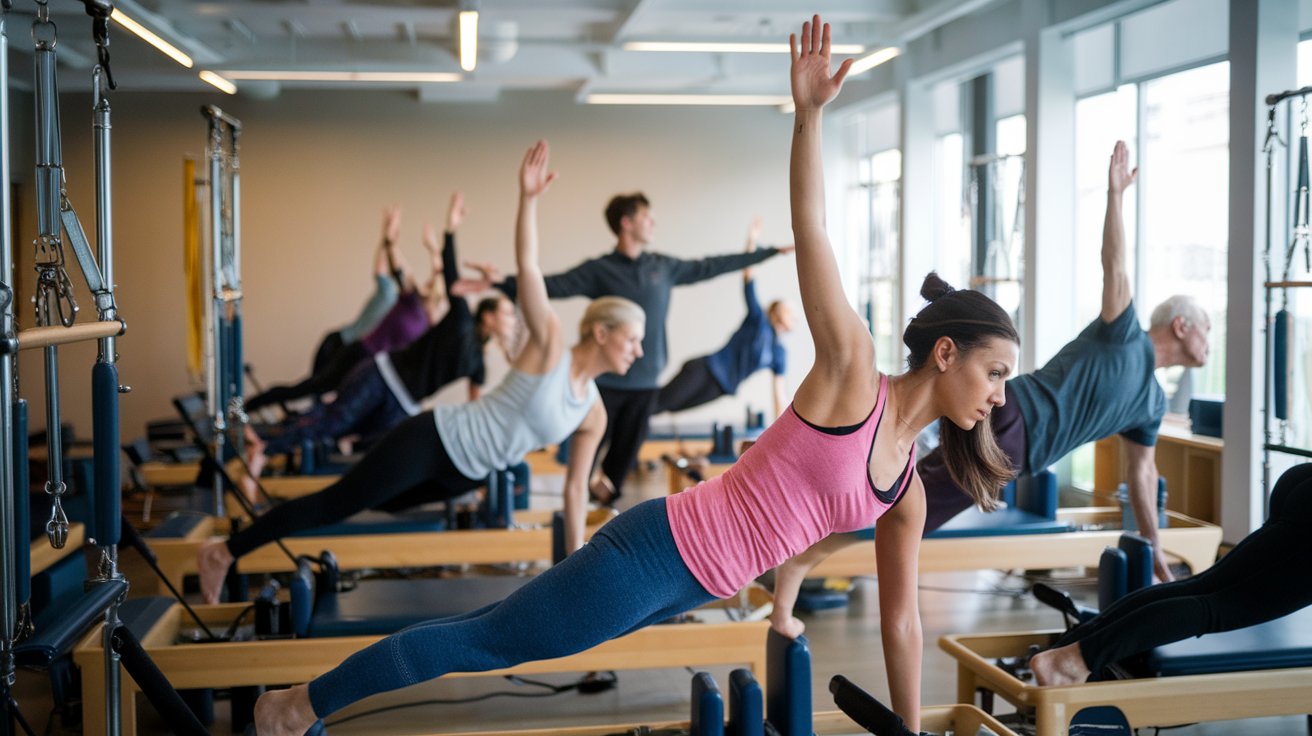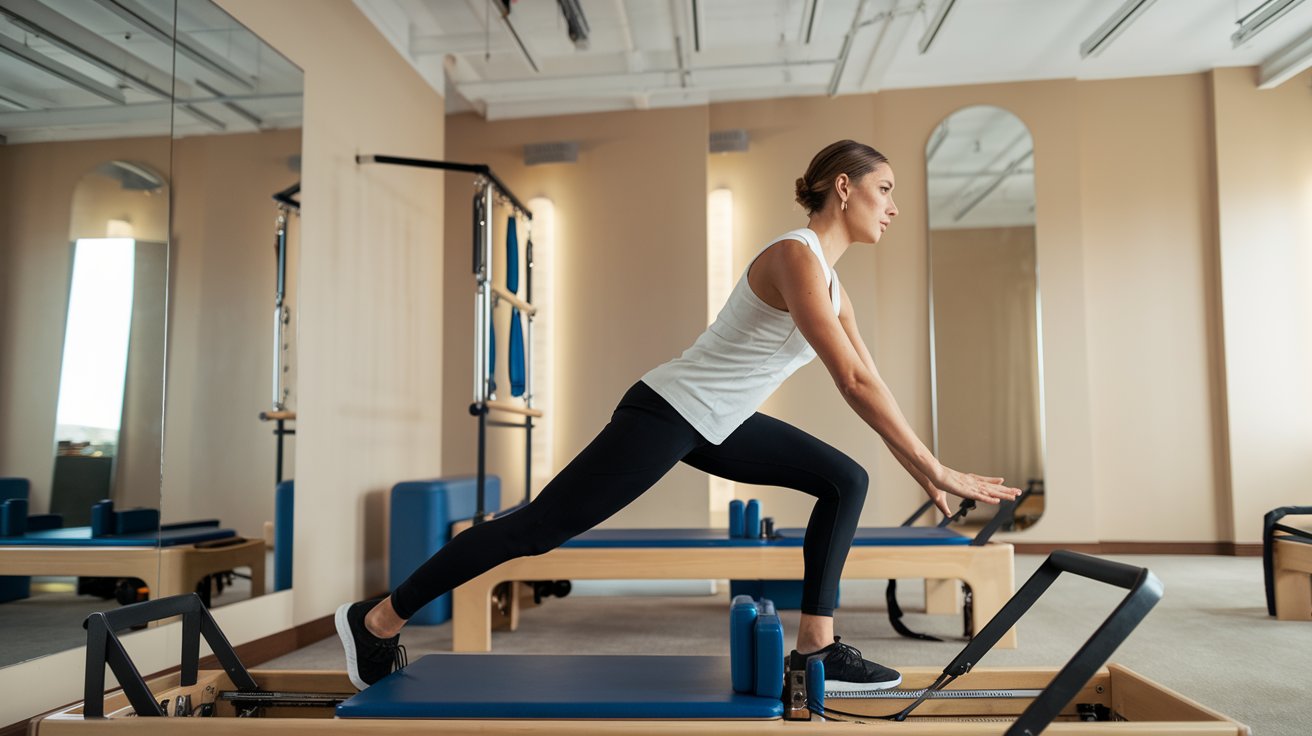
The debate between pilates body vs gym body continues to shape fitness decisions for millions of Americans in 2026. While gym workouts typically focus on building muscle mass and strength through weightlifting, Pilates emphasizes core stability, flexibility, and lean muscle development. Understanding these fundamental differences helps you choose the right fitness approach for your specific body goals and lifestyle preferences.
Understanding Pilates Body vs Gym Body Fundamentals
A pilates body is characterized by long, lean muscles, exceptional core strength, and improved posture alignment. This physique develops through controlled movements that target deep stabilizing muscles, creating a naturally elongated appearance. According to 2026 fitness studies, regular Pilates practitioners show 40% better spinal alignment compared to sedentary individuals.
In contrast, a gym body typically features more pronounced muscle definition, increased muscle mass, and visible bulk in major muscle groups. Traditional gym workouts using weights and machines focus on progressive overload, leading to hypertrophy and significant strength gains. American fitness data from 2026 shows gym-goers average 25-35% higher muscle mass than Pilates-only practitioners.
What Defines a Pilates Physique
The pilates body woman or man exhibits distinct characteristics that set it apart from traditional gym physiques. Key features include a strong, flat core with minimal bulk, elongated leg muscles, and shoulders that sit naturally in proper alignment. Pilates emphasizes functional movement patterns that create a balanced, symmetrical appearance without excessive muscle mass.
Gym Body Characteristics and Development
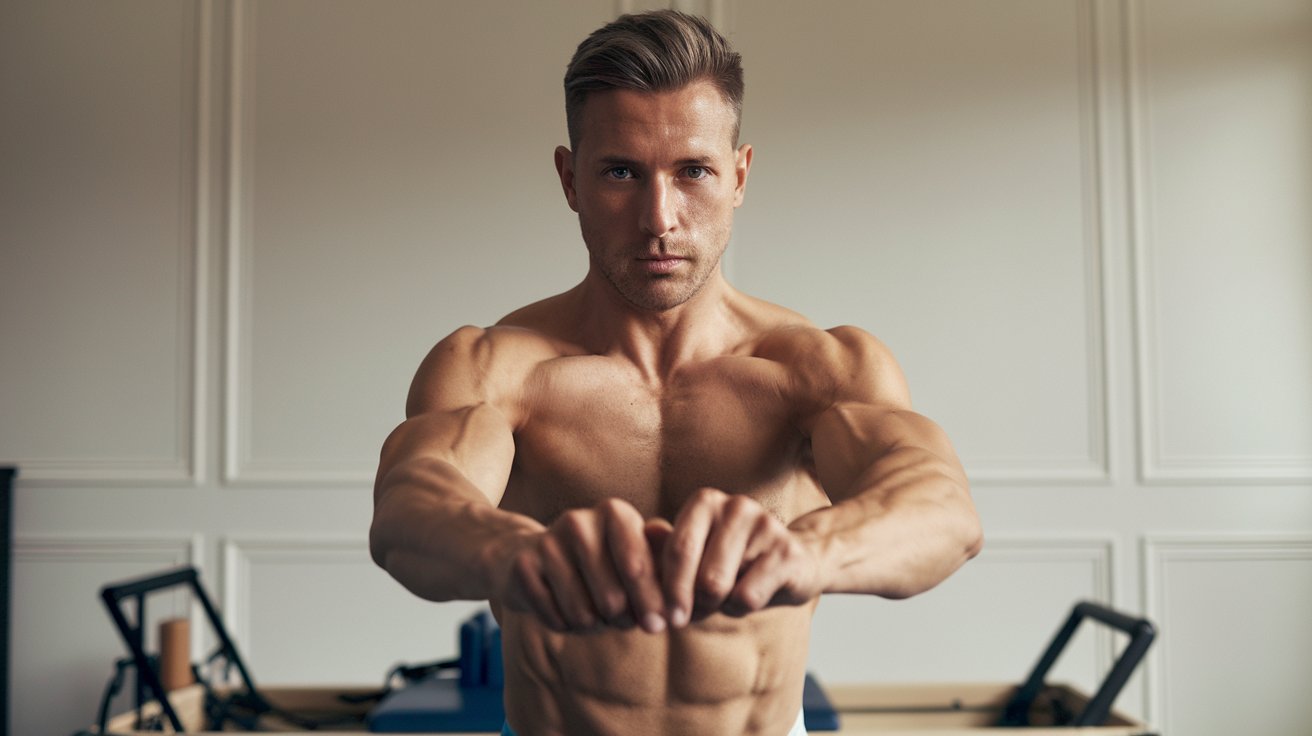
A traditional gym body showcases visible muscle definition, particularly in the chest, shoulders, arms, and legs. This physique results from resistance training that progressively challenges muscles to grow larger and stronger. The gym approach typically produces faster visible changes in muscle size, with most practitioners seeing noticeable results within 6-8 weeks of consistent training.
Key Physical Differences Between Training Approaches
The most significant difference in pilates body vs gym body comparison lies in muscle fiber development and overall body composition. Pilates primarily targets Type I muscle fibers, which are smaller, more endurance-oriented, and create that coveted lean appearance. These muscles have excellent fatigue resistance and support better posture throughout daily activities.
Gym training, particularly weightlifting, predominantly develops Type II muscle fibers that are larger, more powerful, and visible under the skin. This creates the classic gym physique with pronounced muscle separation and definition. However, these muscles may sacrifice some flexibility and functional movement quality for size and strength gains.
Reformer Pilates vs Weight Training Comparison
Reformer pilates body vs gym body differences become even more pronounced when comparing equipment-based training methods. Reformer Pilates uses spring resistance and controlled movements to create constant tension throughout the entire range of motion. This approach builds incredibly strong, stable muscles while maintaining flexibility and joint health.
Weight training provides variable resistance that peaks at specific points in the movement, allowing for maximum muscle recruitment and growth. While this method excels at building raw strength and muscle size, it may create muscle imbalances if not properly programmed. Recent 2026 research indicates that combining both methods produces optimal results for overall fitness and body composition.
Spring Resistance vs Free Weight Benefits
Reformer pilates spring resistance provides accommodating resistance that challenges muscles differently than traditional weights. The springs offer assistance at the beginning of movements and increase resistance as muscles lengthen, promoting eccentric strength development. This unique resistance pattern helps prevent injury while building functional strength that translates to daily activities.
Progressive Overload in Weight Training
Traditional gym training relies on progressive overload principles, gradually increasing weight, reps, or training volume to stimulate muscle growth. This approach can produce dramatic changes in physique within months, making it attractive for those seeking rapid visual transformation. However, proper form and recovery become crucial to prevent injury and maintain long-term progress.
Which Training Method Delivers Faster Results
When comparing speed of results in pilates body vs gym body development, gym training typically shows faster visible changes in muscle size and definition. Most gym newcomers see noticeable muscle growth within 4-6 weeks of consistent training, with strength gains occurring even faster. This rapid progress makes gym training appealing for those seeking quick transformation.
Pilates results develop more gradually but create lasting changes in posture, core strength, and movement quality. While muscle definition may take 8-12 weeks to become apparent, the functional improvements begin immediately. Many practitioners notice better posture, reduced back pain, and improved balance within just 2-3 weeks of starting Pilates practice.
Body Composition and Fat Loss Differences
For pilates body vs gym body weight loss goals, both methods offer unique advantages. Gym workouts, particularly high-intensity resistance training, create a significant metabolic boost that continues burning calories for hours after exercise. This afterburn effect, combined with increased muscle mass, elevates daily caloric expenditure substantially.
Pilates supports weight loss through improved muscle efficiency and better movement patterns that increase daily calorie burn. While individual Pilates sessions may burn fewer calories than intense gym workouts, the improved posture and core strength help optimize metabolism throughout the day. The toned body achieved through Pilates often appears leaner at the same weight due to better muscle alignment.
Injury Prevention and Recovery Considerations
The injury risk profile differs significantly between pilates and gym training approaches. Pilates emphasizes controlled movements, proper breathing, and core stabilization, which naturally reduces injury risk. The low-impact nature makes it suitable for people with joint issues, previous injuries, or those seeking gentler fitness options.
Gym training, while excellent for building strength, carries higher injury risk due to heavy loading and complex movement patterns. However, proper form instruction and gradual progression can minimize these risks. Interestingly, 2026 sports medicine data shows that combining Pilates with gym training reduces injury rates by up to 30% compared to gym training alone.
Can Pilates Help with Specific Injuries
Research confirms that pilates can help with various injury recovery scenarios. For individuals wondering ‘can Pilates help a torn meniscus,’ the controlled, low-impact movements can support rehabilitation when cleared by healthcare providers. The focus on proper alignment and controlled motion helps rebuild strength around injured areas without excessive stress.
Stress Response and Recovery Benefits
An often-overlooked benefit addresses the question ‘does Pilates help with high cortisol?’ The mindful, controlled nature of Pilates practice activates the parasympathetic nervous system, helping reduce stress hormones like cortisol. This stress-reduction benefit supports better recovery, improved sleep, and enhanced overall health outcomes compared to high-intensity gym training alone.
Choosing the Right Approach for Your Goals
Selecting between pilates body vs gym body depends on individual goals, preferences, and lifestyle factors. Those seeking maximum muscle mass, strength, and rapid visual changes may prefer gym training. People prioritizing functional movement, injury prevention, flexibility, and long-term joint health often gravitate toward Pilates.
Consider your current fitness level, time availability, and specific objectives. Beginners might benefit from starting with Pilates to build foundational strength and movement quality before progressing to more intensive gym training. Advanced practitioners often discover that combining both approaches creates the most complete fitness solution.
Gender-Specific Considerations and Results
The pilates body vs gym body woman discussion often centers on aesthetic preferences and cultural ideals. Many women prefer the lean, elongated appearance associated with Pilates training, while others seek the muscle definition and strength gains from gym workouts. Both approaches can help women achieve their ideal physique when properly programmed.
Men may initially gravitate toward gym training for muscle building but increasingly recognize Pilates benefits for core strength, flexibility, and injury prevention. The pilates body vs gym body men comparison shows that combining approaches often produces the most balanced, functional, and aesthetically pleasing results regardless of gender.
Related video about pilates body vs gym body
This video complements the article information with a practical visual demonstration.
Important things to know about pilates body vs gym body
Is Pilates better than the gym for a toned body?
Pilates excels at creating a lean, toned appearance through deep muscle engagement and improved posture. While gym training builds more visible muscle mass, Pilates develops long, lean muscles that create natural body elongation. For overall toning without bulk, Pilates is often preferred, but combining both methods provides optimal results.
Is Pilates physique the same as gym physique?
No, Pilates and gym physiques differ significantly. Pilates bodies feature lean, elongated muscles with exceptional core strength and flexibility. Gym physiques typically show more muscle mass, definition, and bulk. Pilates emphasizes functional strength and posture, while gym training focuses on muscle size and raw power.
Does Pilates help with high cortisol levels?
Yes, Pilates can help reduce cortisol levels through its stress-reducing properties. The controlled movements, focused breathing, and mindful nature of Pilates activate the parasympathetic nervous system, which naturally lowers stress hormones. Regular Pilates practice has been shown to improve stress management and overall hormonal balance.
Can Pilates help with a torn meniscus?
Pilates can support meniscus injury recovery when cleared by healthcare providers. The low-impact, controlled movements help rebuild strength and stability around the knee joint without excessive stress. However, any exercise program following a meniscus injury should be supervised by qualified professionals and cleared by medical practitioners.
Which approach delivers faster visible results?
Gym training typically shows faster visible muscle changes, with noticeable growth within 4-6 weeks. Pilates results develop more gradually, taking 8-12 weeks for muscle definition but providing immediate functional improvements. Gym training excels for rapid muscle building, while Pilates offers lasting posture and movement quality improvements.
Can you combine Pilates and gym training effectively?
Absolutely. Combining Pilates and gym training creates optimal results by addressing both muscle building and functional movement. Pilates improves core stability, flexibility, and movement quality, while gym training builds strength and muscle mass. This combination reduces injury risk by up to 30% compared to gym training alone.
| Training Aspect | Pilates Body | Gym Body |
|---|---|---|
| Muscle Appearance | Lean, elongated, toned | Defined, muscular, bulky |
| Core Strength | Exceptional deep stability | Good surface strength |
| Flexibility | High range of motion | May be limited |
| Results Timeline | 8-12 weeks visible | 4-6 weeks visible |
| Injury Risk | Low to minimal | Moderate to high |