Choosing what to wear to a spin class is crucial for comfort, performance, and safety during your cycling workout. The right attire enhances your experience while preventing chafing, overheating, and discomfort. This comprehensive guide covers everything you need to know about spin class clothing for optimal results.
Essential Spin Class Clothing Basics
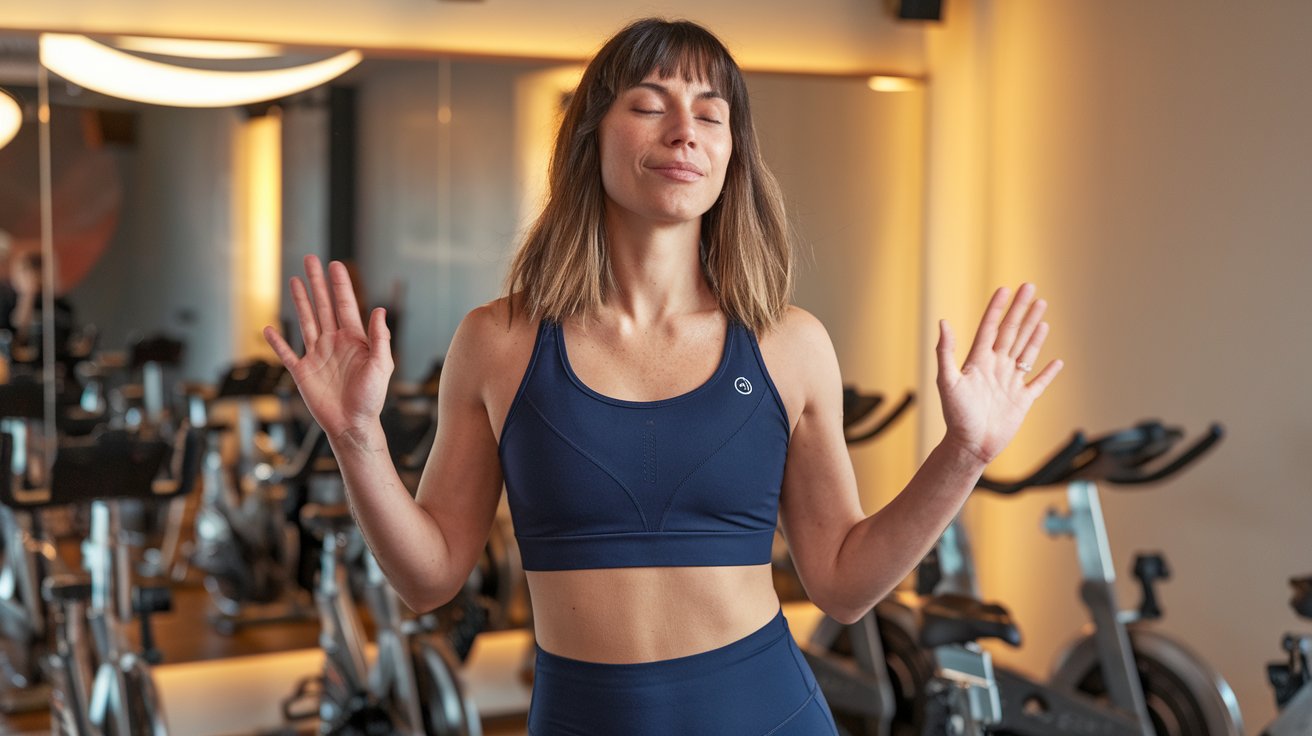
The foundation of proper spin class attire starts with moisture-wicking fabrics that keep you dry and comfortable throughout your workout. High-quality synthetic materials or merino wool blends work best for cycling, as they pull sweat away from your skin and dry quickly. Cotton clothing should be avoided as it retains moisture and can cause uncomfortable chafing during the intense pedaling motion.
Your cycling workout clothes should fit snugly but not restrictively, allowing for full range of motion while pedaling. Loose clothing can get caught in the bike components or create wind resistance, while overly tight garments can restrict blood flow and breathing. The ideal fit allows you to move freely while maintaining an aerodynamic position on the bike.
Fabric Technology for Spin Classes
Modern spin class clothing incorporates advanced fabric technologies that significantly improve performance and comfort. Look for materials with antimicrobial properties that prevent odor buildup, four-way stretch for unrestricted movement, and UPF protection if your studio has windows. These technical fabrics cost more initially but provide superior durability and performance compared to basic athletic wear.
Proper Fit Guidelines
When selecting cycling clothing, ensure the fit accommodates the forward-leaning position typical in spin classes. Tops should be slightly longer in the back to prevent exposure when bent over the handlebars. Bottoms should have a higher waistband that stays in place during vigorous pedaling, and seams should be placed away from pressure points to prevent irritation during the workout.
Shorts vs Leggings: Making the Right Choice
The decision between shorts or leggings for spin class depends on several factors including personal comfort, studio temperature, and the intensity of your workout. Both options can work effectively when chosen correctly, but each offers distinct advantages for different cycling scenarios and personal preferences.
When to Choose Spin Class Shorts
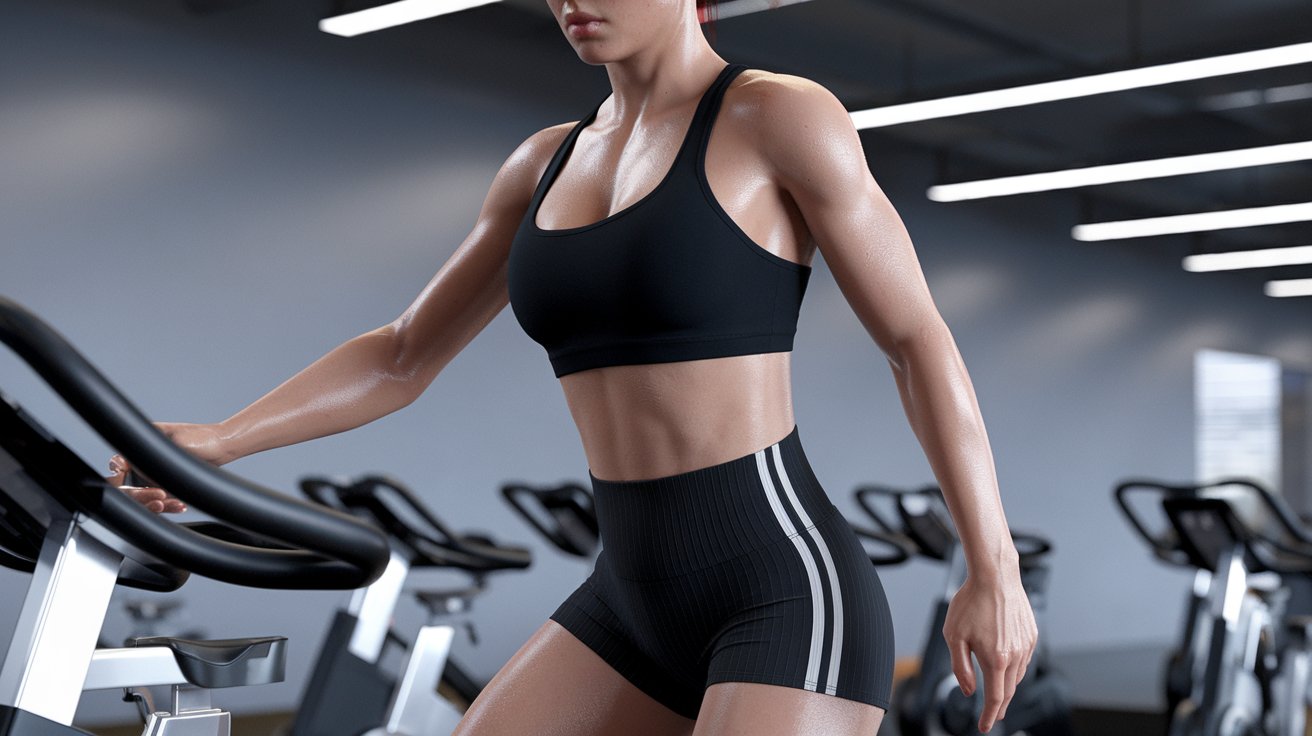
Cycling shorts are ideal for high-intensity classes or warm studio environments where maximum ventilation is needed. Quality spin shorts feature padded chamois inserts that provide cushioning for the sit bones during long rides. Choose shorts with an inseam of 7-9 inches for optimal coverage without restricting leg movement, and ensure they have flat seams to prevent chafing during the pedaling motion.
Benefits of Leggings for Cycling
Leggings for spin class offer full leg coverage and protection from seat friction while providing compression benefits that can improve blood circulation. They work particularly well in air-conditioned studios or during warm-up and cool-down periods. Look for leggings with reinforced inner thigh panels and ankle zippers for easy on-off with cycling shoes.
Footwear Selection for Spin Classes
Proper spin class footwear is critical for safety, power transfer, and comfort during your cycling workout. Most modern spin bikes use clipless pedal systems that require special cycling shoes with cleats, though some studios offer regular pedals for athletic shoes. The right footwear choice significantly impacts your pedaling efficiency and overall workout experience.
Cycling shoes for spin class provide a rigid sole that maximizes power transfer from your legs to the pedals while preventing foot fatigue. The cleat system creates a secure connection that allows you to pull up during the pedal stroke, engaging more muscle groups and improving overall workout effectiveness compared to regular athletic shoes.
Cycling Shoes vs Athletic Shoes
While athletic shoes can work for beginner spin classes, dedicated cycling shoes offer superior performance and safety. Cycling shoes prevent foot slippage, reduce hot spots, and allow for more efficient power transfer. Most spin studios provide rental shoes, but investing in your own pair ensures proper fit and hygiene for regular participants.
Sock Selection for Cycling
Choose moisture-wicking cycling socks that reach above the shoe collar to prevent chafing and blisters. Avoid cotton socks which retain moisture and can cause discomfort during longer classes. Compression socks can provide additional support and improved circulation, particularly beneficial for intense cycling workouts or participants with circulation concerns.
Preparing for Your First Spin Class Experience
How to prepare for your first spin class involves more than just choosing the right clothing. Mental and physical preparation ensures you get the most from your initial cycling experience while avoiding common beginner mistakes. Proper preparation reduces anxiety and helps you focus on learning proper technique and enjoying the workout.
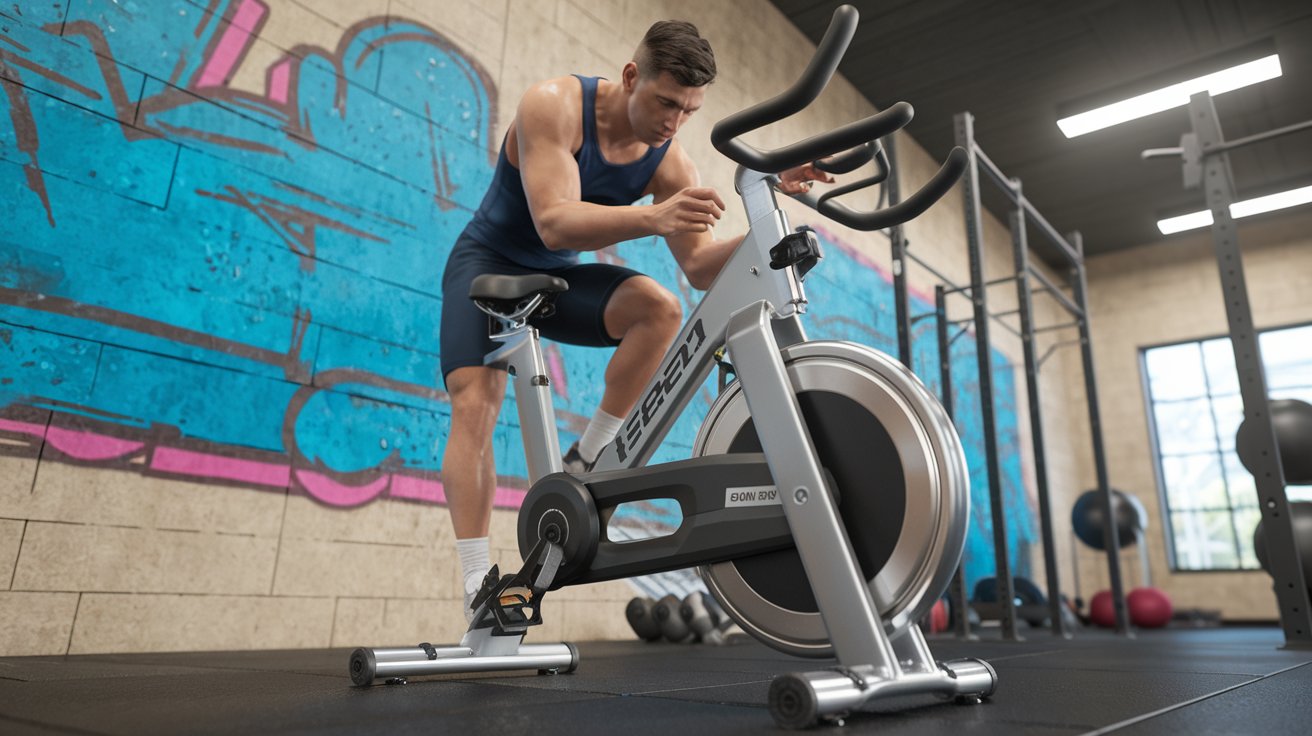
Arrive at the studio 15-20 minutes early to familiarize yourself with the bike setup and ask questions about the equipment. Most instructors offer brief orientations for newcomers covering seat height, handlebar position, and resistance controls. This preparation time allows you to adjust your bike properly and feel confident before the class begins.
Understanding the 80% Rule in Cycling
The 80% rule in cycling refers to the principle that 80% of your training should be performed at low to moderate intensity, while only 20% should be high-intensity work. This approach maximizes aerobic development while preventing overtraining and injury. In spin classes, this means most of your workout should feel challenging but sustainable, with brief periods of maximum effort.
Applying this rule to spin class training helps beginners build endurance gradually while experienced cyclists can maintain consistent performance improvements. The rule emphasizes the importance of recovery and base building, which are often overlooked in high-intensity group fitness environments where the tendency is to go all-out every session.
Seasonal Clothing Considerations
Seasonal spin class clothing adjustments account for varying studio temperatures and outdoor conditions when traveling to and from class. Summer classes may require lighter fabrics and better ventilation, while winter sessions might need layers that can be easily removed once you begin warming up during the cycling workout.
Summer Spin Class Attire
During warmer months, prioritize lightweight, breathable fabrics with maximum ventilation features such as mesh panels or perforated designs. Tank tops or sleeveless shirts work well for upper body cooling, while shorts with minimal coverage provide optimal airflow. Consider bringing a small towel and extra hydration for these more challenging thermal conditions.
Winter Cycling Clothing
Winter spin class preparation involves layering strategies that allow quick temperature adjustment once you begin warming up. Start with a light jacket or pullover that can be easily removed, and choose longer sleeves or leggings that provide initial warmth. Most studios maintain consistent temperatures year-round, so avoid over-dressing for the actual workout.
Accessories and Additional Gear
Essential spin class accessories enhance comfort and performance while protecting your investment in quality workout clothing. A good workout towel, water bottle, and heart rate monitor are standard additions that most serious cyclists bring to every class. These accessories help you maintain hygiene, track performance, and stay properly hydrated throughout your session.
Hair accessories and headbands keep hair secure and sweat away from your eyes during intense cycling portions. Choose non-slip designs that stay in place during vigorous movement, and avoid accessories with hard components that could cause discomfort when leaning forward on the handlebars.
Related video about what to wear to a spin class
This video complements the article information with a practical visual demonstration.
Your questions answered
Should I wear shorts or leggings to spin class?
The choice between shorts and leggings depends on personal preference and studio conditions. Shorts with padded chamois offer better ventilation and are ideal for intense classes or warm environments. Leggings provide full leg coverage, compression benefits, and protection from seat friction, making them perfect for air-conditioned studios or longer sessions.
How do I prepare for my first spin class?
Arrive 15-20 minutes early to set up your bike and familiarize yourself with the equipment. Wear moisture-wicking clothing, bring water and a towel, and inform the instructor you are new. Start with moderate resistance and focus on proper form rather than keeping up with experienced participants. Listen to your body and take breaks as needed.
What is the 80% rule in cycling?
The 80% rule states that 80% of your cycling training should be at low to moderate intensity, with only 20% at high intensity. This approach builds aerobic capacity while preventing overtraining. In spin classes, spend most time at a challenging but sustainable pace with brief periods of maximum effort for optimal fitness gains and injury prevention.
Can I wear regular athletic shoes to spin class?
While regular athletic shoes work for beginners, cycling shoes with cleats provide better power transfer, safety, and efficiency. Most studios offer shoe rentals with proper cleat systems. If using athletic shoes, ensure they have rigid soles and secure lacing to prevent foot movement within the shoe during pedaling.
What should I avoid wearing to spin class?
Avoid cotton clothing that retains moisture, loose pants that can catch in bike components, jewelry that might snag, and shoes with soft soles that reduce power transfer. Skip heavy perfumes or lotions that can irritate others in the close studio environment, and avoid clothing with zippers or hardware that could damage bike seats.
| Clothing Item | Key Features | Primary Benefit |
|---|---|---|
| Moisture-wicking top | Synthetic fabric, snug fit | Keeps you dry and comfortable |
| Padded cycling shorts | Chamois padding, 7-9 inch inseam | Reduces seat pressure and chafing |
| Cycling shoes | Rigid sole, cleat compatible | Maximizes power transfer and safety |
| Compression leggings | Full coverage, reinforced panels | Provides support and protection |