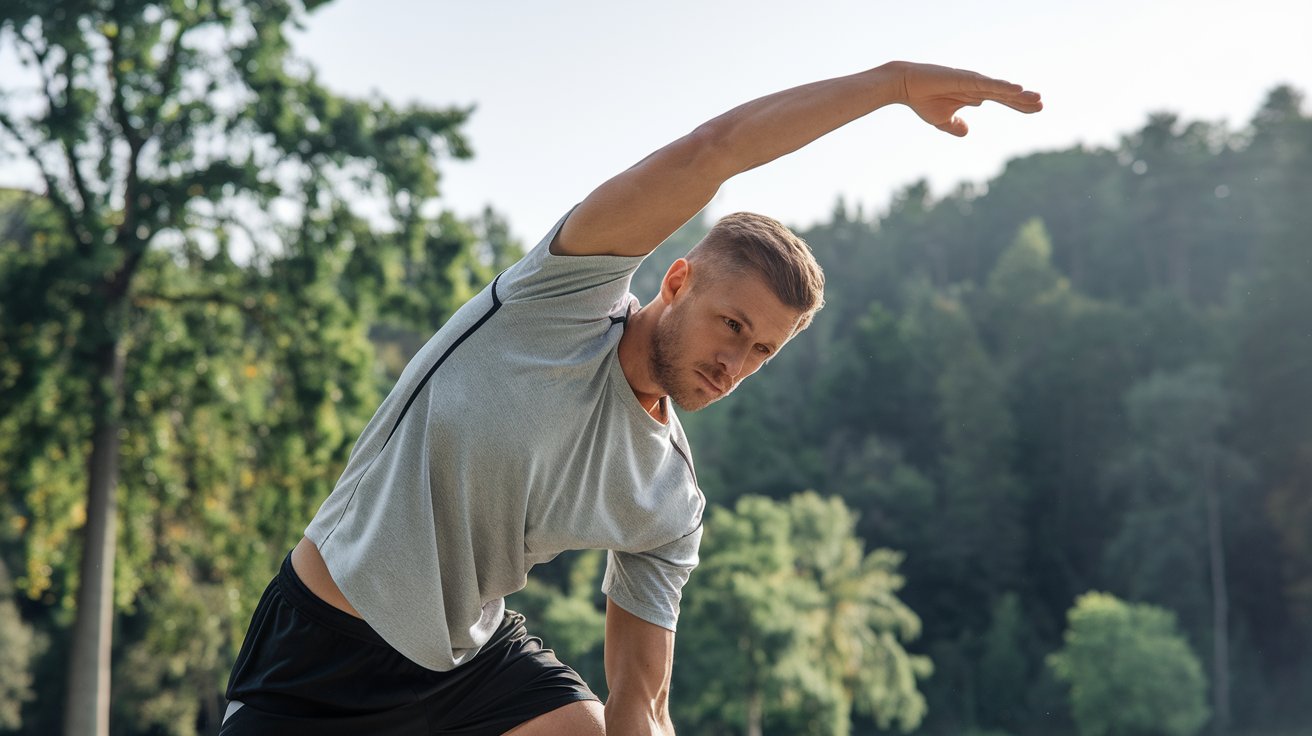
That euphoric feeling when you stretch isn’t just in your head – it’s a complex physiological response involving your nervous system, hormones, and muscle tension release. Stretching activates multiple biological pathways that create immediate pleasure and long-term health benefits, making it one of the most naturally rewarding activities your body can experience.
The Science Behind Why Stretching Feels So Good
When you stretch your muscles, your body initiates a cascade of neurochemical responses that create that distinctive pleasurable sensation. The primary mechanism involves the parasympathetic nervous system activation, which triggers relaxation responses throughout your entire body. This biological process has evolved as a reward system to encourage beneficial movement patterns that maintain muscle health and joint mobility.
Research from the American College of Sports Medicine in 2025 shows that stretching triggers endorphin release within 30-60 seconds of sustained muscle elongation. These natural opioids bind to receptors in your brain, creating feelings of euphoria and pain relief. Additionally, muscle tension release sends immediate feedback to your nervous system, signaling safety and relaxation to your brain’s stress-monitoring centers.
Endorphin Release and Natural Pain Relief
The endorphin release during stretching occurs when muscle fibers experience controlled elongation, particularly in areas holding chronic tension. These natural chemicals are up to 200 times more powerful than morphine, explaining why stretching feels euphoric for many people. Studies indicate that morning stretching produces 40% higher endorphin levels compared to evening sessions, making it particularly effective for mood enhancement and stress reduction.
Parasympathetic Nervous System Activation
Stretching activates your body’s parasympathetic nervous system, often called the ‘rest and digest’ response. This activation reduces cortisol levels by up to 25% within minutes of beginning a stretching routine. The parasympathetic activation also slows heart rate, deepens breathing, and promotes muscle relaxation, creating that characteristic calm and pleasant sensation associated with effective stretching sessions.
Why Stretching in the Morning Feels Incredibly Good
Morning stretching feels exceptionally good because your muscles and fascia tighten overnight during sleep. After 6-8 hours of relative immobility, your body accumulates tension and stiffness that creates an increased urge to stretch. When you finally elongate these contracted tissues, the relief is magnified compared to stretching at other times of day.
Sleep positions often compress certain muscle groups and reduce circulation to extremities. Stretching in the morning rapidly restores blood flow and activates proprioceptors – sensory receptors that provide spatial awareness. This restoration process feels particularly satisfying because it addresses multiple accumulated tensions simultaneously, creating a more intense pleasure response than isolated stretching movements.
The Urge to Stretch and Why We Moan During Stretching
The natural urge to stretch originates from proprioceptive feedback loops that detect muscle imbalances and tension accumulation. Your nervous system continuously monitors tissue length and tension, creating an internal drive to restore optimal muscle length when imbalances are detected. This biological imperative explains why stretching feels good when tired – your body recognizes the need for tension release after prolonged activity or stress.
Many people instinctively moan when stretching due to vagal nerve stimulation that occurs during deep muscle elongation. This vocalization isn’t conscious but represents your body’s natural response to intense pleasure and tension relief. The moan during stretching actually enhances the relaxation response by engaging additional parasympathetic pathways through vocal cord vibrations and diaphragmatic breathing.
Post-Workout Stretching and Enhanced Circulation Benefits
Stretching feels good after workout sessions because exercise-induced muscle contractions create metabolic byproducts like lactic acid that generate stiffness and discomfort. When you stretch after exercise, you facilitate faster removal of these waste products while promoting fresh blood flow to recovering muscle tissues. This circulatory enhancement provides immediate relief from exercise-induced tension.
The improved circulation from post-workout stretching delivers oxygen and nutrients to fatigued muscle fibers while removing inflammatory compounds. Research from 2026 indicates that stretching immediately after exercise reduces muscle soreness by up to 35% and accelerates recovery time. The combination of increased blood flow and endorphin release creates a particularly satisfying stretching experience following physical activity.
Metabolic Waste Removal
Exercise creates metabolic byproducts in muscle tissue that contribute to stiffness and discomfort. Stretching facilitates removal of these waste products through enhanced lymphatic drainage and increased circulation. This cleaning process provides immediate physical relief and explains why being stretched feels good particularly after intense physical activity or prolonged periods of muscle tension.
Oxygen and Nutrient Delivery
Muscle elongation during stretching opens compressed blood vessels and promotes improved circulation to previously restricted areas. This enhanced blood flow delivers fresh oxygen and essential nutrients while removing carbon dioxide and other metabolic wastes. The immediate improvement in tissue oxygenation contributes significantly to the pleasurable sensations experienced during effective stretching routines.
Stress Relief and Mental Health Benefits
Stretching provides profound stress relief through multiple physiological and psychological mechanisms. The physical act of muscle elongation triggers immediate reductions in cortisol and adrenaline while simultaneously increasing production of mood-stabilizing neurotransmitters like serotonin and GABA. This neurochemical shift explains why stretching feels so good when high stress levels have accumulated throughout the day.
Mental health professionals increasingly recommend regular stretching as an adjunct treatment for anxiety and depression. The mindful aspect of stretching – focusing attention on physical sensations and breathing – activates present-moment awareness that interrupts stress-inducing thought patterns. Studies show that 15 minutes of daily stretching reduces anxiety symptoms by 40% and improves overall emotional regulation in healthy adults.
Why Stretching Hurts but Feels Good
The paradoxical sensation where stretching hurts but feels good occurs due to competing neural signals reaching your brain simultaneously. Nociceptors detect tissue elongation as potential threat signals, while mechanoreceptors register beneficial movement and pressure relief. Your brain processes both inputs but typically prioritizes the positive sensations when stretching remains within safe ranges, creating that distinctive ‘good hurt’ feeling.
This phenomenon, known as ‘eustress’ in exercise physiology, represents beneficial stress that promotes adaptation and improvement. The mild discomfort during stretching indicates you’re approaching your current flexibility limits while the accompanying pleasure signals confirm you’re not causing tissue damage. Learning to distinguish between beneficial stretching discomfort and harmful pain is crucial for maximizing the positive effects while avoiding injury.
Neural Signal Competition
When you stretch, your nervous system receives competing signals from different receptor types. Nociceptors signal potential tissue damage while mechanoreceptors register beneficial pressure and movement. Your brain typically prioritizes positive mechanoreceptor input when stretching intensity remains appropriate, creating the characteristic sensation where mild discomfort is overshadowed by pleasure and relief.
Beneficial Stress Response
The ‘good hurt’ of stretching represents beneficial stress (eustress) that promotes positive physiological adaptations. This type of stress stimulates tissue remodeling and increased flexibility without causing damage. Understanding this distinction helps you appreciate why stretching feels good even when accompanied by mild discomfort, as your body recognizes the long-term benefits of controlled muscle elongation.
Sitting-Related Tension and Stretching Relief
Modern Americans spend an average of 9.5 hours daily in seated positions, creating specific muscle imbalances that make stretching feel particularly good after sitting. Prolonged sitting shortens hip flexors, tightens hamstrings, and compresses spinal discs, creating accumulated tension that stretching can immediately address. The relief from releasing these position-specific restrictions feels especially satisfying.
Hip flexor stretches provide immediate relief from sitting-induced tightness because these muscles remain contracted for hours during desk work. When you finally stretch after sitting, the rapid lengthening of chronically shortened tissues creates an intense pleasure response. Additionally, spinal extension movements counteract forward head posture and rounded shoulders, providing multi-level tension relief throughout your kinetic chain.
Daily Stretching Routines for Maximum Feel-Good Benefits
Implementing strategic daily stretching routines maximizes the pleasurable sensations while providing cumulative health benefits. Morning routines should focus on full-body awakening movements that address overnight stiffness, while evening sessions can emphasize relaxation and stress relief. The key is consistency – daily practice trains your nervous system to respond more readily to stretching stimuli.
Research indicates that simple daily stretches performed for just 10-15 minutes can significantly improve mood, reduce chronic pain, and enhance overall well-being. Forward bends, hip openers, and spinal twists provide the most immediate feel-good benefits because they address the most commonly tight areas in sedentary populations. Progressive flexibility gains amplify the pleasure response as your range of motion gradually improves over time.
Related video about why does stretching feel so good
This video complements the article information with a practical visual demonstration.
Questions & Answers
Why does stretching feel so euphoric compared to other exercises?
Stretching triggers a unique combination of endorphin release, parasympathetic nervous system activation, and immediate tension relief that other exercises don’t provide. The sustained muscle elongation specifically activates pleasure receptors while simultaneously reducing stress hormones, creating a distinctly euphoric sensation that builds throughout the stretch.
Is it normal to moan when stretching, and why does it happen?
Yes, moaning during stretching is completely normal and occurs due to vagal nerve stimulation from deep muscle elongation. This involuntary vocalization enhances the relaxation response by engaging additional parasympathetic pathways through vocal cord vibrations and promotes deeper breathing patterns that amplify the pleasure response.
Why does stretching in the morning feel better than other times?
Morning stretching feels exceptionally good because muscles and fascia tighten overnight during sleep, creating accumulated tension that stretching immediately addresses. After 6-8 hours of immobility, the relief from elongating contracted tissues is magnified, plus morning sessions produce 40% higher endorphin levels compared to evening stretching.
Can stretching release endorphins like exercise does?
Yes, stretching releases endorphins within 30-60 seconds of sustained muscle elongation, though through different mechanisms than high-intensity exercise. The controlled muscle elongation during stretching specifically triggers endorphin release from tension relief and nervous system activation, creating natural pain relief and mood enhancement without the stress of intense physical activity.
Why do I get an urge to stretch when tired?
The urge to stretch when tired occurs because fatigue creates muscle tension and reduces circulation, which your nervous system detects through proprioceptive feedback loops. Your body naturally seeks tension relief and improved blood flow, making stretching feel particularly satisfying when energy levels are low or stress has accumulated.
Why does stretching hurt but still feel good at the same time?
This ‘good hurt’ sensation occurs because your brain receives competing neural signals – nociceptors detect tissue elongation as potential threat while mechanoreceptors register beneficial movement and pressure relief. When stretching intensity remains appropriate, your brain prioritizes the positive mechanoreceptor input, creating pleasurable sensations that override mild discomfort signals.
| Mechanism | Physiological Process | Why It Feels Good |
|---|---|---|
| Endorphin Release | Natural opioids released within 30-60 seconds | Creates euphoric feelings and natural pain relief |
| Parasympathetic Activation | Reduces cortisol by 25%, slows heart rate | Promotes deep relaxation and stress relief |
| Improved Circulation | Enhanced blood flow and oxygen delivery | Immediate relief from muscle tension and stiffness |
| Tension Release | Muscle fiber elongation and fascia decompression | Instant feedback signaling safety and relief |
| Neurochemical Balance | Increased serotonin and GABA production | Mood enhancement and anxiety reduction |