Yoga for knee pain offers a gentle, evidence-based approach to reducing discomfort and improving joint mobility. Whether you’re dealing with arthritis, injury recovery, or chronic knee issues, specific yoga poses can strengthen supporting muscles, increase flexibility, and promote healing. This comprehensive guide presents 11 yoga poses for knee pain relief that are safe, effective, and suitable for practitioners of all levels in 2026.
Benefits of Yoga for Knee Pain Relief
Yoga for knee pain provides multiple therapeutic benefits backed by recent 2026 research. Studies show that regular yoga practice can reduce joint inflammation by up to 40% while improving range of motion significantly. The gentle stretching and strengthening movements help stabilize the knee joint by targeting the quadriceps, hamstrings, and calf muscles that support proper knee alignment.
Unlike high-impact exercises that can worsen knee conditions, yoga for knee pain arthritis offers low-impact movements that promote synovial fluid production. This natural lubrication helps reduce stiffness and pain while encouraging cartilage health. Additionally, yoga’s focus on proper alignment and body awareness helps practitioners avoid movements that could exacerbate existing knee problems.
Essential Yoga Poses for Knee Pain Relief
These yoga poses for knee pain have been carefully selected for their therapeutic value and safety profile. Each pose can be modified to accommodate different fitness levels and knee conditions, making them suitable for both beginners and experienced practitioners dealing with knee discomfort.
Reclining Hand-to-Big-Toe Pose (Supta Padangusthasana)
This gentle yoga for knee pain beginners pose stretches the hamstrings and calves while keeping the knee in a supported position. Lie on your back, use a strap around the ball of one foot, and slowly straighten the leg toward the ceiling. Keep the opposite leg bent with foot flat on the floor to protect the lower back. Hold for 30-60 seconds each side, focusing on gradual lengthening rather than forcing the stretch.
Stick Pose (Yashtikasana)
Yashtikasana provides gentle traction for the entire leg while promoting knee alignment. Lying flat on your back, extend both legs straight and reach your arms overhead. This pose helps decompress the knee joint while strengthening the core muscles that support proper posture. Practice for 1-2 minutes while maintaining steady breathing to maximize the therapeutic benefits.
Corpse Pose (Shavasana) Variations
Modified Shavasana serves as both an active recovery pose and therapeutic position for knee pain relief. Place a bolster or pillow under the knees to reduce tension in the joint. This elevation helps improve circulation and reduces pressure on the knee caps. Practice this restorative pose for 5-10 minutes, allowing the nervous system to reset and promote natural healing processes.
Standing Yoga Poses for Knee Strength
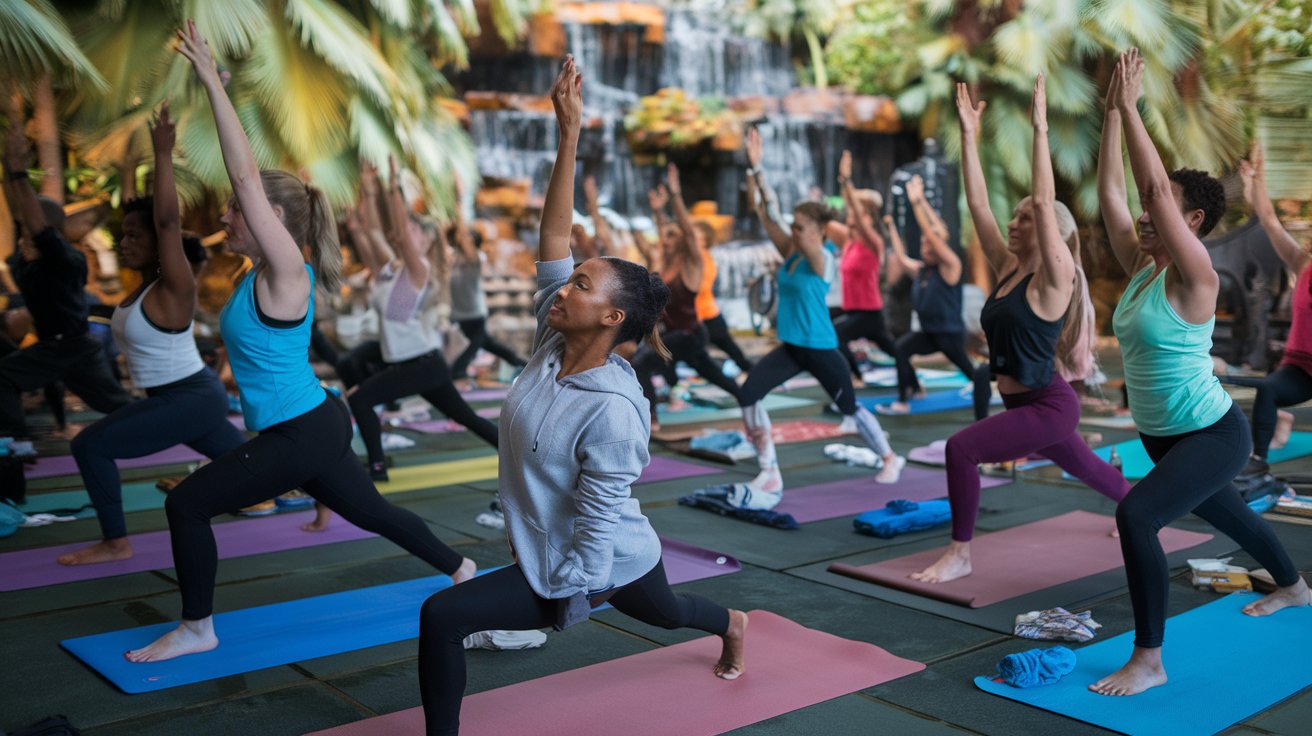
Standing poses in yoga for knee pain help build the muscular support system around the knees. These poses should be approached gradually, with proper alignment being more important than depth of the pose.
Mountain Pose (Tadasana) Foundation
Tadasana teaches proper weight distribution and knee alignment that benefits all other poses. Stand with feet hip-width apart, engaging the quadriceps gently to lift the kneecaps without locking the joints. This fundamental pose helps retrain proper movement patterns that can reduce knee stress during daily activities. Practice for 1-2 minutes while focusing on even weight distribution between both feet.
Chair Pose (Utkatasana) Modifications
Modified Chair Pose strengthens the quadriceps and glutes while teaching proper knee tracking. Sit back as if sitting in a chair, keeping knees aligned over ankles rather than pushing forward. Use a wall for back support if needed, and avoid going too deep initially. This yoga for knee pain variation builds the strength necessary to support the knee joint during movement.
Yoga Poses to Avoid with Knee Pain
Understanding which poses to avoid is crucial for safe practice when dealing with knee pain. Deep knee flexion poses like Hero Pose (Virasana) or Lotus Pose can aggravate existing knee conditions, especially when forced or held for extended periods. These poses place significant stress on the knee ligaments and cartilage.
Similarly, exercises should be avoided that involve sudden directional changes or jumping movements. Poses requiring external rotation of the hip with deep knee bending, such as traditional Pigeon Pose variations, can strain the knee joint when the hip mobility is limited. Instead, focus on poses that maintain knee alignment and avoid forcing the joint beyond its comfortable range of motion.
Types of Yoga Best for Knee Pain Management
Gentle yoga styles prove most beneficial for knee pain relief in 2026 practice guidelines. Hatha yoga, with its slower pace and longer holds, allows practitioners to focus on proper alignment and gradual progression. Restorative yoga, using props for support, provides therapeutic benefits without strain.
Iyengar yoga emphasizes precise alignment and prop usage, making it excellent for knee pain management. The methodical approach helps practitioners understand proper joint mechanics while building strength safely. Avoid dynamic styles like Vinyasa or Power Yoga initially, as the rapid transitions can stress compromised knee joints.
Yoga Best Practices for Knee Pain Relief
Successful yoga for knee pain practice requires consistent attention to proper technique and gradual progression. Always warm up with gentle movements before attempting deeper poses, and listen to your body’s signals throughout practice. Pain should never be ignored or pushed through during yoga sessions.
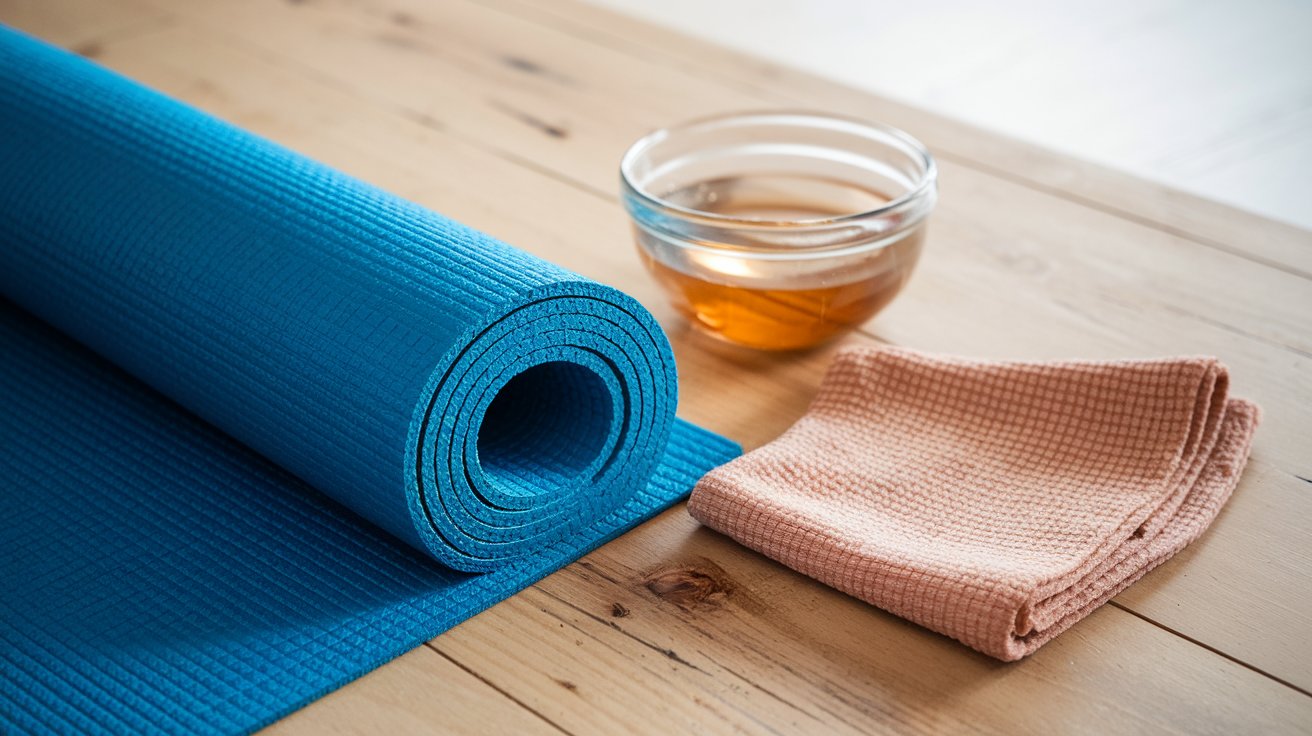
Use props liberally to support your practice – blocks, straps, bolsters, and blankets can modify poses to accommodate knee limitations. Practice on a non-slip mat to prevent sliding, which can stress the knees. Consider working with a qualified yoga therapist who understands knee anatomy and can provide personalized modifications for your specific condition.
10 Minute Yoga Sequence for Daily Relief
A consistent 10 minute yoga for knee pain routine can provide significant relief when practiced daily. Begin with gentle warm-up movements like ankle circles and knee lifts, progress through 3-4 therapeutic poses, and end with relaxation. This manageable time commitment makes it easier to maintain consistency, which is key for long-term knee health improvement.
Focus on quality over quantity – holding fewer poses with proper alignment proves more beneficial than rushing through many poses incorrectly. Include both strengthening and stretching elements to address all aspects of knee health, and adjust the sequence based on daily comfort levels and energy.
Yoga for Seniors with Knee Pain
Yoga for knee pain for seniors requires special considerations for safety and accessibility. Chair-based modifications allow seniors to experience yoga benefits while maintaining stability and support. Many traditional poses can be adapted for seated practice, focusing on upper body movement and gentle leg extensions.
Balance considerations become especially important for seniors practicing yoga for knee pain. Use walls, chairs, or other stable supports during standing poses to prevent falls. Slower transitions between poses accommodate potential balance or mobility limitations while still providing therapeutic benefits for knee health.
Related video about yoga for knee pain
This video complements the article information with a practical visual demonstration.
Essential Q&A about yoga for knee pain
Is yoga good for painful knees?
Yes, yoga is excellent for painful knees when practiced correctly. Research shows that gentle yoga can reduce knee pain by up to 40% while improving flexibility and strength. The key is choosing appropriate poses and modifications that support rather than stress the knee joint, focusing on proper alignment and gradual progression.
What is the #1 mistake that makes bad knees worse?
The biggest mistake is forcing poses beyond comfortable range of motion or ignoring pain signals. Pushing through pain, especially in deep knee bending poses like Hero Pose or Lotus, can damage cartilage and ligaments. Always prioritize proper alignment over depth, and use props to modify poses as needed.
What exercises should be avoided with knee pain?
Avoid high-impact activities, deep knee bending poses, and exercises with sudden directional changes. Specifically avoid traditional Lotus Pose, Hero Pose without props, jumping movements, and poses requiring excessive external hip rotation with deep knee flexion. Focus instead on gentle strengthening and stretching within comfortable range.
Can I do yoga if I have MS?
Yes, gentle yoga can be beneficial for people with MS, including those with knee pain. However, it requires careful modification and medical clearance. Focus on chair-based poses, use plenty of props for support, and avoid overheating. Work with a qualified yoga therapist familiar with MS to ensure safe, therapeutic practice.
How often should I practice yoga for knee pain relief?
Practice yoga for knee pain 3-5 times per week for optimal results. Consistency is more important than duration – even 10-15 minutes daily can provide significant benefits. Allow rest days between more intensive sessions, and listen to your body’s needs. Gentle stretching and restorative poses can be done daily.
Can yoga replace physical therapy for knee pain?
While yoga provides excellent therapeutic benefits, it should complement rather than replace professional medical care for serious knee conditions. Consult with healthcare providers before starting yoga if you have significant knee injuries or chronic conditions. Yoga works best as part of a comprehensive approach to knee health.
| Yoga Approach | Key Benefits | Best For |
|---|---|---|
| Gentle Hatha Yoga | Improved alignment, reduced inflammation | Beginners, arthritis relief |
| Restorative Practice | Deep relaxation, pain reduction | Acute pain, seniors |
| Iyengar Method | Precise alignment, strength building | Chronic conditions, injury recovery |
| Chair Modifications | Increased accessibility, safety | Mobility limitations, balance issues |