Proper post-workout stretching is essential for muscle recovery, flexibility maintenance, and injury prevention. This comprehensive guide covers evidence-based stretching techniques, optimal timing, and the most effective static stretches to incorporate into your post-exercise routine for maximum benefits and improved performance.
Benefits of Stretching After a Workout
Post-workout stretching provides numerous physiological and psychological benefits that enhance your overall fitness journey. Research from the American College of Sports Medicine shows that static stretching performed after exercise helps maintain and improve flexibility while reducing muscle tension. The practice also contributes to better circulation, allowing nutrients to reach muscle tissues more efficiently during the recovery phase.
Regular post-workout stretching sessions can significantly impact your cortisol levels, helping to reduce exercise-induced stress hormones. A 2025 study published in the Journal of Sports Science found that individuals who incorporated 10-15 minutes of stretching after workouts experienced a 23% reduction in cortisol compared to those who skipped this crucial step.
Greater Flexibility and Range of Motion
Consistent post-workout stretching directly improves your flexibility and range of motion in targeted muscle groups. When muscles are warm from exercise, they become more pliable and responsive to stretching techniques. This increased flexibility translates to better movement patterns in daily activities and enhanced performance in subsequent workout sessions.
Better Posture and Less Back Pain
Targeted stretching after workouts addresses muscle imbalances that contribute to poor posture and chronic back pain. Hip flexor stretches, hamstring elongation, and thoracic spine mobility work collectively to realign your body’s natural positioning. Americans who work desk jobs particularly benefit from post-workout stretches that counteract prolonged sitting positions.
Less Muscle Tension and Lower Stress
Stretching activates the parasympathetic nervous system, promoting relaxation and reducing overall muscle tension. This physiological response helps lower stress hormones while encouraging the release of endorphins. The combination creates a natural cooldown period that transitions your body from an active state to recovery mode more effectively.
Improved Blood Flow
Post-exercise stretching enhances circulation by encouraging blood flow to previously contracted muscles. This increased circulation facilitates the removal of metabolic waste products like lactic acid while delivering oxygen and nutrients essential for muscle repair and growth. Improved circulation also supports faster recovery times between training sessions.
Static vs Dynamic Stretching: Key Differences
Understanding the distinction between static and dynamic stretching is crucial for implementing an effective post-workout routine. Static stretching involves holding a position for 15-60 seconds without movement, while dynamic stretching incorporates controlled movements through a range of motion. Post-workout routines should focus primarily on static stretches to promote relaxation and flexibility gains.
Dynamic stretching is more appropriate for warm-up routines, as it prepares muscles for activity by increasing blood flow and core temperature. After your workout, static stretches are superior for muscle lengthening and recovery enhancement. The 2026 American Council on Exercise guidelines recommend holding static stretches for 20-30 seconds for optimal results.
Essential Post-Workout Stretches for Beginners
New fitness enthusiasts should focus on fundamental stretches that target major muscle groups used during most exercise routines. These post-workout stretches for beginners require minimal equipment and can be performed anywhere. Starting with basic movements builds consistency and proper form before progressing to more advanced stretching techniques.
The following beginner-friendly stretches address common tight areas and provide a solid foundation for developing a comprehensive post-workout routine. Each stretch should be performed slowly and held for the recommended duration to maximize effectiveness and prevent injury.
Hamstring Stretch – Hold for 20 Seconds
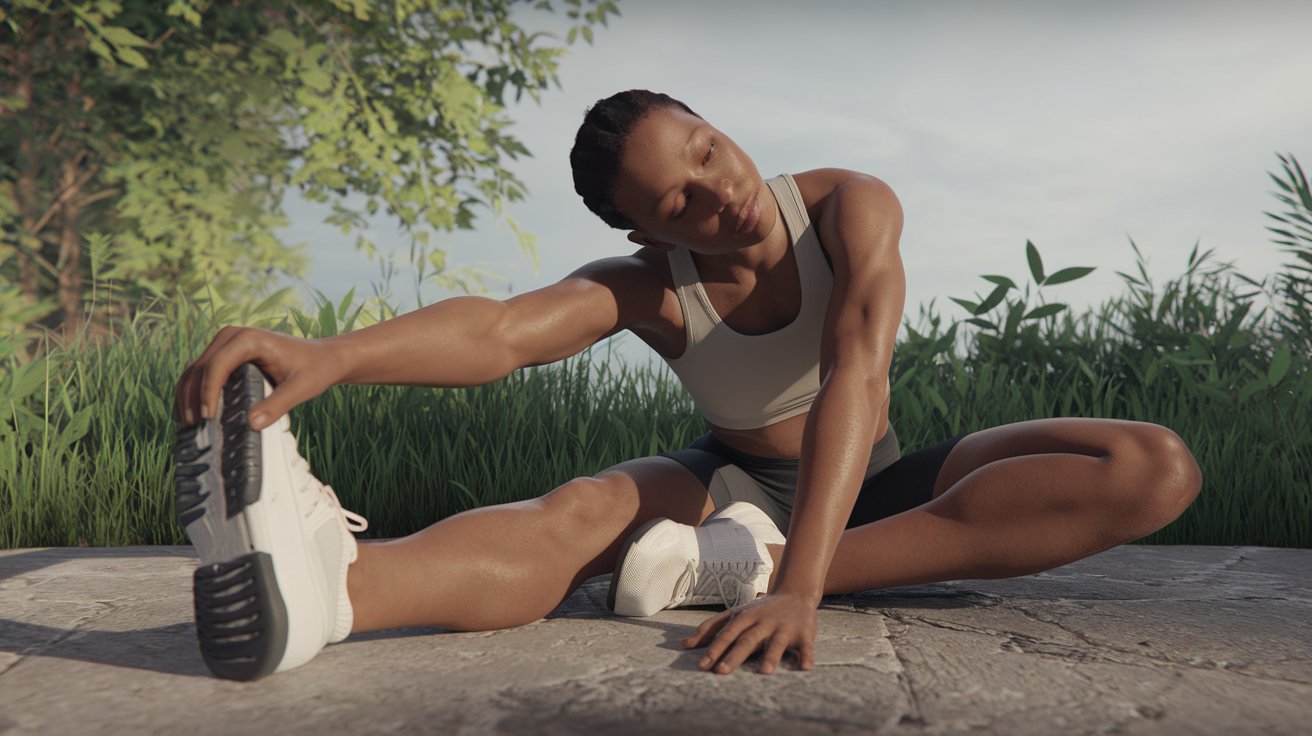
The hamstring stretch addresses posterior leg tightness common after running, cycling, or lower body workouts. Sit on the ground with one leg extended and the other bent, reaching toward your toes while maintaining a straight back. This stretch improves flexibility in the back of your thigh and can help prevent lower back discomfort.
Calf Stretch – Hold for 20 Seconds
Proper calf stretching targets the gastrocnemius and soleus muscles, which often tighten after cardiovascular exercise or leg-focused training. Stand arm’s length from a wall, place one foot back, and lean forward while keeping your heel on the ground. This stretch promotes ankle mobility and reduces the risk of Achilles tendon issues.
Inner Thigh Stretch – Hold for 20 Seconds
The inner thigh stretch addresses adductor muscle tightness that can develop from lateral movements or strength training. Sit with the soles of your feet together and gently press your knees toward the ground while maintaining an upright posture. This stretch improves hip mobility and prevents groin strain.
Upper Body Post-Workout Stretches
Upper body training requires specific stretches to address muscle groups in the chest, shoulders, arms, and upper back. These post-workout stretches for upper body help maintain shoulder mobility and prevent the forward head posture common in modern lifestyles. Incorporating these movements after strength training sessions promotes balanced muscle development and reduces injury risk.
Focus on stretches that counteract the pulling and pushing motions performed during upper body workouts. These targeted movements address tight pectorals, rounded shoulders, and compressed thoracic spine positioning that can result from intense training sessions.
Chest Doorway Stretch
The chest doorway stretch effectively targets tight pectoral muscles that can develop from bench pressing, push-ups, and other pressing movements. Stand in a doorway with your forearm against the frame and step forward to feel the stretch across your chest. This movement helps open the anterior chest and improves shoulder positioning.
Shoulder Cross-Body Stretch
This stretch addresses rear deltoid tightness and improves shoulder flexibility after overhead movements or pulling exercises. Pull your arm across your chest and hold it in place with your opposite hand, feeling the stretch in the back of your shoulder. Maintain proper posture throughout the movement for maximum effectiveness.
Lower Body and Back Stretching Routine
Lower body and back stretches form the foundation of most post-workout routines, as these areas bear the greatest load during exercise. Post-workout stretches for back and legs address the primary movers in squats, deadlifts, lunges, and cardiovascular activities. These stretches help maintain spinal alignment and hip mobility crucial for injury prevention.
A comprehensive lower body routine should target the hip flexors, glutes, quadriceps, hamstrings, and calves while incorporating spinal mobility work. This combination addresses the kinetic chain relationships that affect posture and movement quality in daily activities and future training sessions.
Buttock Stretch – Hold for 20 Seconds
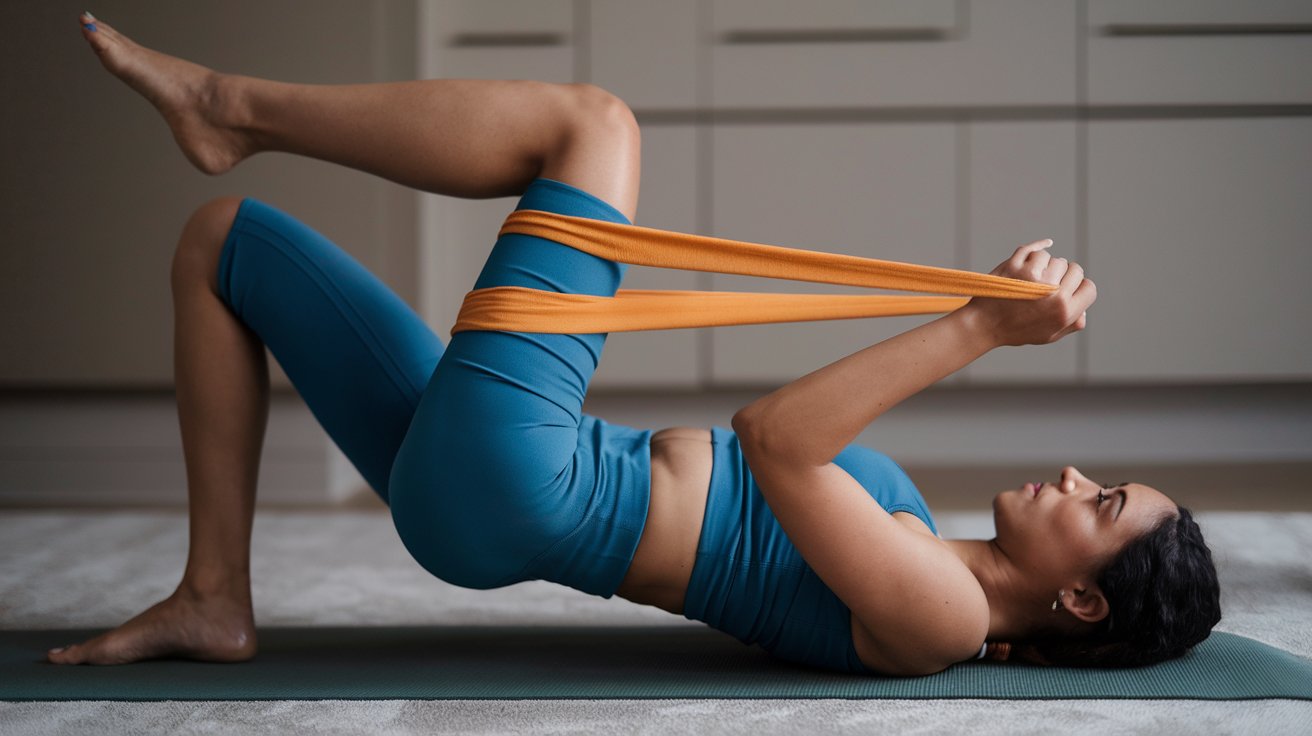
The buttock stretch targets the gluteus maximus and piriformis muscles, which can tighten after lower body workouts or prolonged sitting. Lie on your back, cross one ankle over the opposite knee, and pull your thigh toward your chest. This stretch helps prevent hip tightness and reduces lower back tension.
Thigh Stretch – Hold for 20 Seconds
The quadriceps thigh stretch addresses anterior leg tightness common after running, cycling, or leg-focused strength training. Stand on one foot and pull your heel toward your buttock, keeping your knees close together. This stretch maintains hip flexor length and prevents knee tracking issues during future workouts.
Quick 5-Minute Post-Workout Stretch Routine
Time constraints don’t have to compromise your stretching routine. A focused 5-minute stretch after workout can provide significant benefits when targeting the most important muscle groups. This abbreviated routine prioritizes efficiency while addressing common tight areas that develop during exercise sessions.
The key to an effective short routine is selecting stretches that address multiple muscle groups simultaneously. Compound stretches maximize your time investment while still providing the recovery benefits essential for long-term fitness success and injury prevention.
Understanding the 3-3-3 Rule for Workouts
The 3-3-3 rule for workouts provides a structured approach to exercise session components, including warm-up, workout, and cooldown phases. This guideline suggests spending 3 minutes warming up, engaging in your main workout, and dedicating 3 minutes to cooling down with stretches. While workout duration varies, the 3-minute cooldown minimum ensures adequate time for basic post-exercise stretching.
Implementing this rule creates consistency in your routine and ensures you don’t skip the crucial recovery phase. Research from the National Strength and Conditioning Association supports structured cooldown periods for optimizing training adaptations and reducing next-day muscle soreness.
Special Considerations: Stretching and Health Conditions
Certain health conditions may influence your post-workout stretching routine and require modified approaches. Understanding these considerations ensures safe and effective stretching practices while maximizing therapeutic benefits. Individuals with specific health concerns should consult healthcare providers before implementing new stretching protocols.
Recent research has explored stretching benefits for various health conditions, providing valuable insights for individuals seeking targeted therapeutic effects through post-workout routines. These findings help inform evidence-based approaches to stretching for specific populations and health concerns.
Does Stretching Help with Neuropathy
Studies indicate that regular stretching may provide benefits for individuals with peripheral neuropathy, particularly by improving circulation and maintaining range of motion. Gentle stretching can help preserve nerve function and reduce stiffness associated with neuropathic conditions. However, individuals with neuropathy should avoid aggressive stretching and focus on gentle, controlled movements.
Stretching Effects on Muscle Growth
Concerns about whether stretching after workout prevents muscle growth have been addressed by recent research. Studies show that moderate post-workout stretching does not interfere with muscle protein synthesis or strength gains. In fact, improved flexibility may enhance training quality and reduce injury risk, supporting long-term muscle development goals.
Related video about how to stretch properly after a workout
This video complements the article information with a practical visual demonstration.
FAQ – Common Questions
What is the 3-3-3 rule for workout routines?
The 3-3-3 rule suggests spending 3 minutes warming up before exercise, completing your main workout, and dedicating at least 3 minutes to cooling down with stretching. This structure ensures adequate preparation and recovery time for optimal training results and injury prevention.
Does stretching help lower cortisol levels?
Yes, post-workout stretching can help reduce cortisol levels by activating the parasympathetic nervous system. Research shows that 10-15 minutes of stretching after exercise can decrease stress hormones by up to 23%, promoting better recovery and overall well-being.
Does stretching after workout prevent muscle growth?
No, moderate post-workout stretching does not prevent muscle growth. Studies demonstrate that proper stretching maintains flexibility without interfering with muscle protein synthesis. Improved flexibility may actually enhance training quality and support long-term muscle development.
Does stretching help with neuropathy symptoms?
Gentle stretching may provide benefits for individuals with peripheral neuropathy by improving circulation and maintaining range of motion. However, people with neuropathy should avoid aggressive stretching and focus on gentle, controlled movements while consulting healthcare providers for personalized guidance.
How long should you hold each stretch after a workout?
Post-workout stretches should be held for 20-30 seconds for optimal results. This duration allows sufficient time for muscle lengthening and relaxation without causing fatigue. Static stretches held for this timeframe provide the greatest flexibility and recovery benefits.
Is stretching after workout good or bad for performance?
Stretching after workouts is beneficial for performance when done correctly. It improves flexibility, reduces muscle tension, enhances blood flow, and promotes recovery. Proper post-workout stretching supports better movement quality and reduces injury risk for future training sessions.
| Stretch Type | Duration | Primary Benefit |
|---|---|---|
| Hamstring Stretch | 20-30 seconds | Reduces back tension |
| Calf Stretch | 20-30 seconds | Improves ankle mobility |
| Chest Stretch | 20-30 seconds | Enhances posture |
| Hip Flexor Stretch | 20-30 seconds | Reduces hip tightness |
| Full Body Routine | 10-15 minutes | Complete recovery |