Indoor cycling is highly effective for weight loss, helping individuals burn 400-600 calories per hour while building cardiovascular endurance. This comprehensive guide explores how stationary bike workouts accelerate fat loss, optimal training strategies, and the science behind cycling for sustainable weight management in 2026.
How Many Calories Does Indoor Cycling Burn for Weight Loss
Indoor cycling delivers impressive calorie-burning results, with the average 155-pound person burning approximately 260 calories during a 30-minute moderate session. High-intensity interval training (HIIT) on a stationary bike can elevate this to 400-500 calories per 30-minute session. The exact number depends on your body weight, workout intensity, and metabolic rate.
Research from the American Council on Exercise shows that vigorous indoor cycling burns 8.5-12 METs (metabolic equivalents), placing it among the most effective cardiovascular exercises for weight loss. A 185-pound individual can burn up to 466 calories in just 30 minutes of intense cycling, making it superior to many other cardio options for fat loss efficiency.
Does Indoor Cycling Reduce Belly Fat Effectively
While spot reduction is impossible, indoor cycling significantly reduces overall body fat, including stubborn belly fat. The high-intensity nature of cycling workouts creates an afterburn effect (EPOC), where your body continues burning calories for hours post-exercise. Studies indicate that regular cycling can reduce visceral fat by 12-15% within 12 weeks when combined with proper nutrition.
The key to belly fat reduction through cycling lies in creating a consistent caloric deficit. Indoor cycling’s ability to burn substantial calories while preserving lean muscle mass makes it ideal for targeting abdominal fat. Additionally, the core engagement required during cycling helps strengthen abdominal muscles, contributing to improved muscle tone and enhanced metabolic function.
Optimal Indoor Cycling Workouts for Maximum Weight Loss
The most effective indoor cycling workouts for weight loss combine high-intensity intervals with steady-state cardio. HIIT sessions alternating between 30-second all-out efforts and 90-second recovery periods maximize calorie burn and metabolic boost. These workouts should be performed 3-4 times weekly for optimal results without overtraining.
High-Intensity Interval Training vs Low-Intensity Steady State
HIIT cycling sessions provide superior weight loss benefits compared to steady-state cardio, burning 25-30% more calories in equivalent time periods. However, low-intensity steady-state (LISS) cycling for 45-60 minutes effectively targets fat stores and improves aerobic base. The ideal approach combines both methods: 2-3 HIIT sessions and 1-2 LISS rides weekly for comprehensive fat-burning optimization.
The Fat Burning Zone and Fasted Training Benefits
The fat-burning zone occurs at 60-70% maximum heart rate, where the body primarily uses fat for fuel during exercise. While this zone burns a higher percentage of fat calories, total calorie burn remains lower than high-intensity efforts. Fasted morning cycling can enhance fat oxidation by 10-15%, though the overall impact on weight loss is modest compared to total daily caloric deficit.
How Long Should You Ride a Stationary Bike to Lose Weight
For effective weight loss through indoor cycling, aim for 150-300 minutes of moderate-intensity cycling weekly, as recommended by the CDC. This translates to 30-45 minute sessions, 4-5 times per week. Beginners should start with 20-minute sessions and gradually increase duration and intensity to prevent injury and ensure adherence to the program.
Female cyclists specifically benefit from 45-60 minute sessions for optimal fat burning, as women typically have higher fat oxidation rates during longer, moderate-intensity exercise. The key is consistency rather than extreme duration – regular 30-minute sessions prove more effective than sporadic lengthy workouts for sustainable weight management results.
Essential Nutrition Strategies for Indoor Cycling Weight Loss
Proper nutrition amplifies indoor cycling weight loss results by optimizing energy availability and recovery. Creating a moderate caloric deficit of 300-500 calories daily, combined with cycling workouts, produces sustainable 1-2 pound weekly weight loss. Focus on whole foods, lean proteins, and complex carbohydrates to fuel workouts while supporting fat loss.
Pre and Post-Workout Nutrition for Optimal Fat Burning
Consume a light snack containing carbohydrates and protein 30-60 minutes before cycling to maximize performance and fat oxidation. Post-workout nutrition within 30 minutes should include protein for muscle recovery and moderate carbohydrates to replenish glycogen stores. This strategic timing enhances metabolic rate and supports lean muscle preservation during weight loss.
Daily Nutrition Guidelines for Cycling Weight Loss
Maintain a balanced diet with 25-30% protein, 45-50% carbohydrates, and 20-25% healthy fats to support cycling performance and weight loss. Protein intake should reach 0.8-1.2 grams per pound of body weight to preserve muscle mass during caloric restriction. Hydration plays a crucial role – drink 16-24 ounces of water 2 hours before cycling and continue hydrating throughout the day for optimal metabolic function.
The Role of Sleep and Recovery in Cycling Weight Loss
Quality sleep directly impacts weight loss success through indoor cycling by regulating hormones that control hunger and metabolism. Aim for 7-9 hours nightly to optimize leptin and ghrelin levels, hormones that signal satiety and hunger. Poor sleep increases cortisol production, which can hinder fat loss and promote muscle breakdown despite consistent cycling efforts.
Recovery days between intense cycling sessions support weight loss by allowing muscle repair and glycogen replenishment. Active recovery through light walking or gentle stretching maintains movement without compromising adaptation. Overtraining can elevate stress hormones and reduce metabolic rate, counteracting the benefits of regular cycling for sustainable fat loss.
Indoor Cycling Equipment and Setup for Weight Loss Success
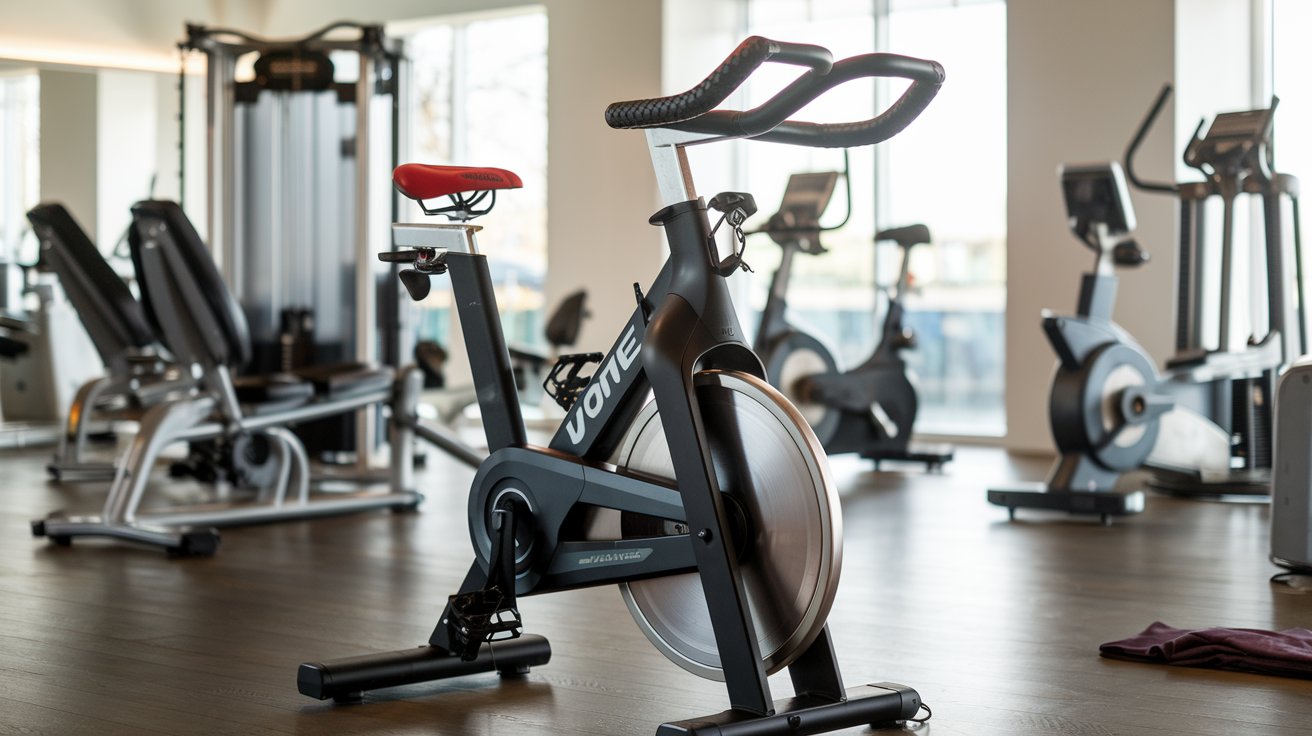
Selecting appropriate indoor cycling equipment enhances workout effectiveness and adherence. Quality stationary bikes with adjustable resistance, comfortable seating, and heart rate monitoring capabilities support progressive training. Proper bike setup prevents injury and ensures optimal muscle engagement for maximum calorie burn during each weight loss cycling session.
Smart trainers and cycling apps provide structured workouts, progress tracking, and motivation essential for long-term weight management success. Features like virtual routes, instructor-led classes, and performance metrics help maintain engagement and progressively challenge your fitness level. Investment in quality equipment pays dividends through improved workout consistency and enhanced results.
Tracking Progress and Maintaining Motivation
Monitoring weight loss progress through indoor cycling requires tracking multiple metrics beyond scale weight. Record workout duration, average heart rate, perceived exertion, and body measurements weekly. Progress photos provide visual evidence of body composition changes that may not reflect on the scale due to muscle gain and fat loss occurring simultaneously.
Setting realistic goals maintains motivation throughout your cycling weight loss journey. Aim for 1-2 pounds of fat loss weekly while improving cycling performance metrics. Celebrate non-scale victories like increased workout duration, higher resistance levels, or improved recovery time between intervals. These achievements indicate enhanced fitness and metabolic improvements beyond simple weight reduction.
Related video about is indoor cycling good for weight loss
This video complements the article information with a practical visual demonstration.
Everything you need to know about is indoor cycling good for weight loss
Can indoor cycling reduce belly fat effectively?
Yes, indoor cycling effectively reduces belly fat by creating a caloric deficit and promoting overall fat loss. While spot reduction isn’t possible, regular cycling burns 400-600 calories per hour and triggers the afterburn effect, continuing calorie burn post-workout. Combined with proper nutrition, cycling can reduce visceral abdominal fat by 12-15% within 12 weeks.
How long should I ride a stationary bike daily to lose weight?
For weight loss, aim for 30-45 minutes of indoor cycling, 4-5 times weekly. This provides 150-300 minutes of moderate-intensity exercise as recommended by health experts. Beginners should start with 20-minute sessions and gradually increase duration. Consistency matters more than extreme length – regular shorter sessions outperform sporadic long workouts.
What is better for weight loss: high or low intensity cycling?
High-intensity interval training (HIIT) cycling burns 25-30% more calories than steady-state cycling in equivalent time periods. However, the optimal approach combines both methods: 2-3 HIIT sessions weekly for maximum calorie burn, plus 1-2 longer, moderate-intensity rides for fat oxidation and aerobic base building.
How many calories does 30 minutes of indoor cycling burn?
A 30-minute indoor cycling session burns 260-466 calories depending on body weight and intensity. A 155-pound person burns approximately 260 calories at moderate intensity and 391 calories at vigorous intensity. High-intensity interval training can increase this to 400-500 calories per 30-minute session for maximum weight loss benefits.
Should I do fasted cycling for better fat loss results?
Fasted morning cycling can enhance fat oxidation by 10-15%, but the overall impact on weight loss is modest. While exercising in a fasted state may burn slightly more fat during the workout, total daily caloric deficit remains the primary factor for weight loss. Focus on consistency and total calorie burn rather than timing for best results.
How does indoor cycling compare to other cardio for weight loss?
Indoor cycling ranks among the top cardiovascular exercises for weight loss, burning 8.5-12 METs and offering superior calorie burn compared to walking or light jogging. It provides joint-friendly, high-intensity training with the ability to precisely control resistance and intensity. The combination of convenience and effectiveness makes cycling ideal for sustainable weight management.
| Weight Loss Factor | Indoor Cycling Benefits | Key Results |
|---|---|---|
| Calorie Burn | 400-600 calories per hour | Superior fat loss efficiency |
| Belly Fat Reduction | 12-15% visceral fat reduction in 12 weeks | Improved core strength and appearance |
| Workout Duration | 30-45 minutes, 4-5 times weekly | Sustainable long-term adherence |
| Intensity Options | HIIT and steady-state combinations | Maximized metabolic benefits |