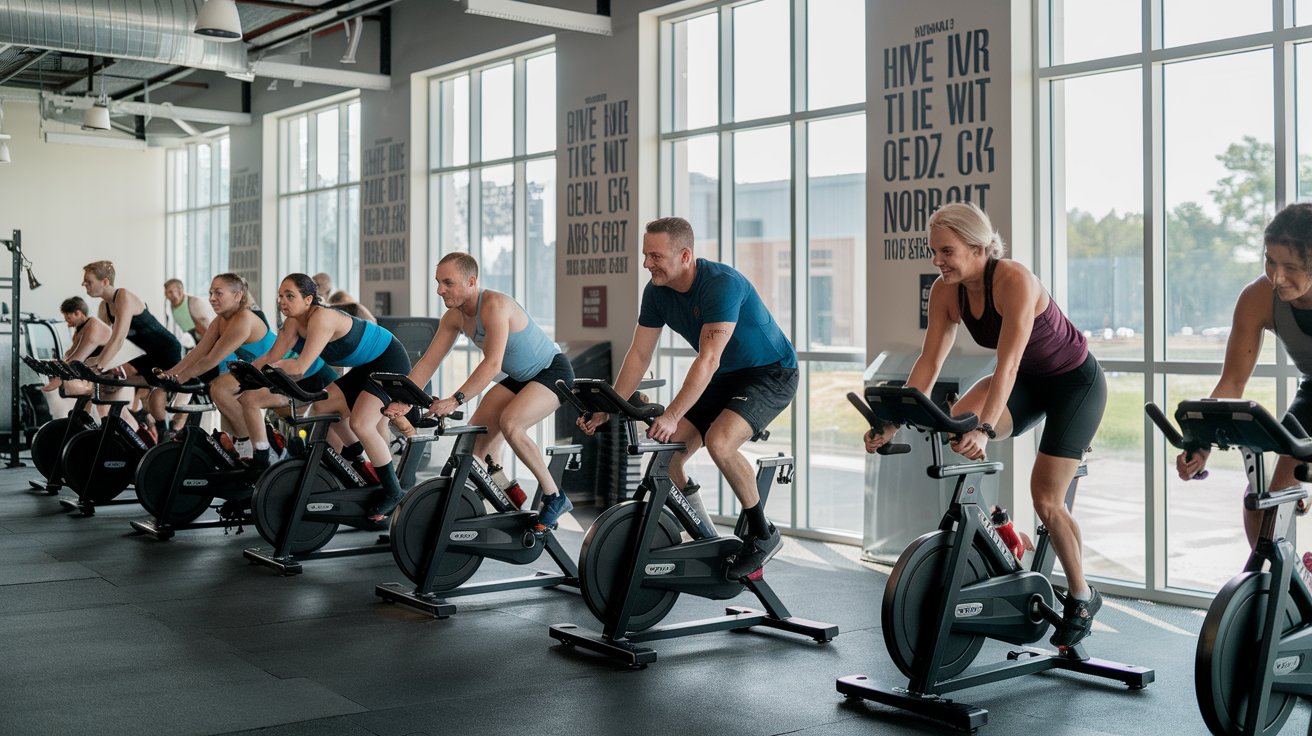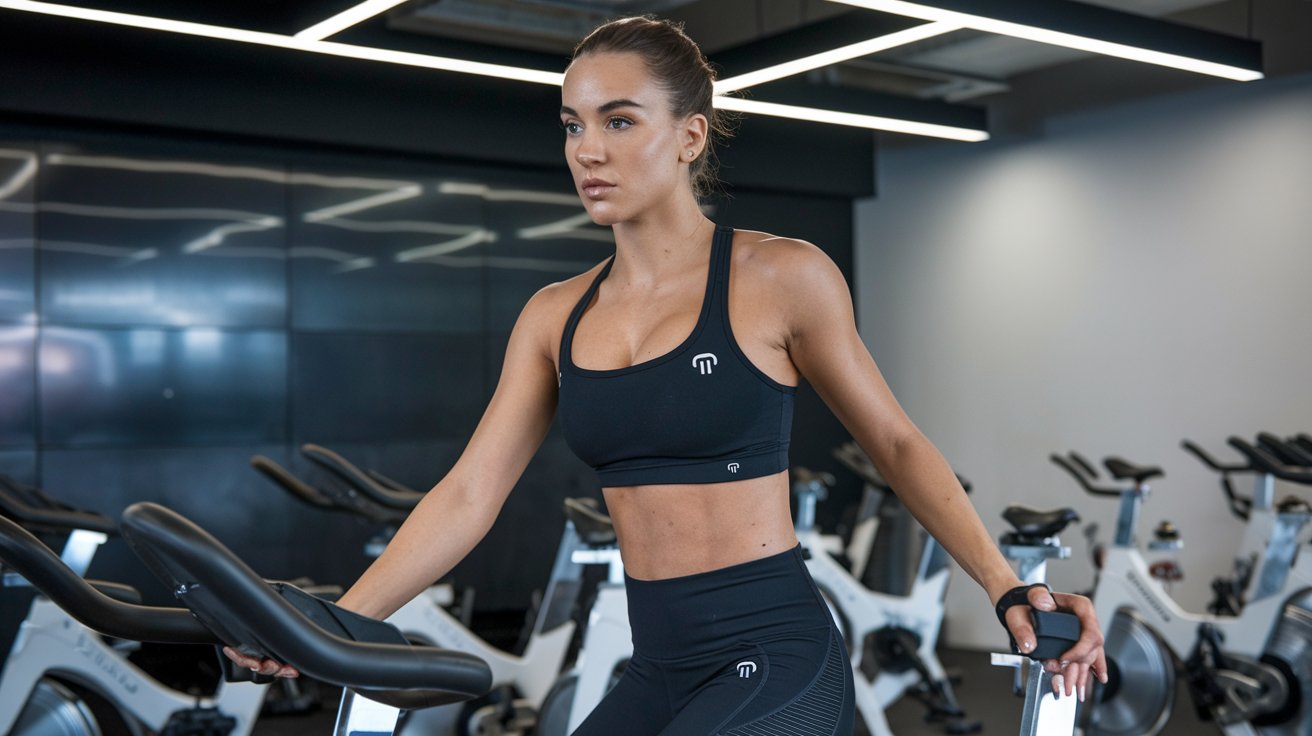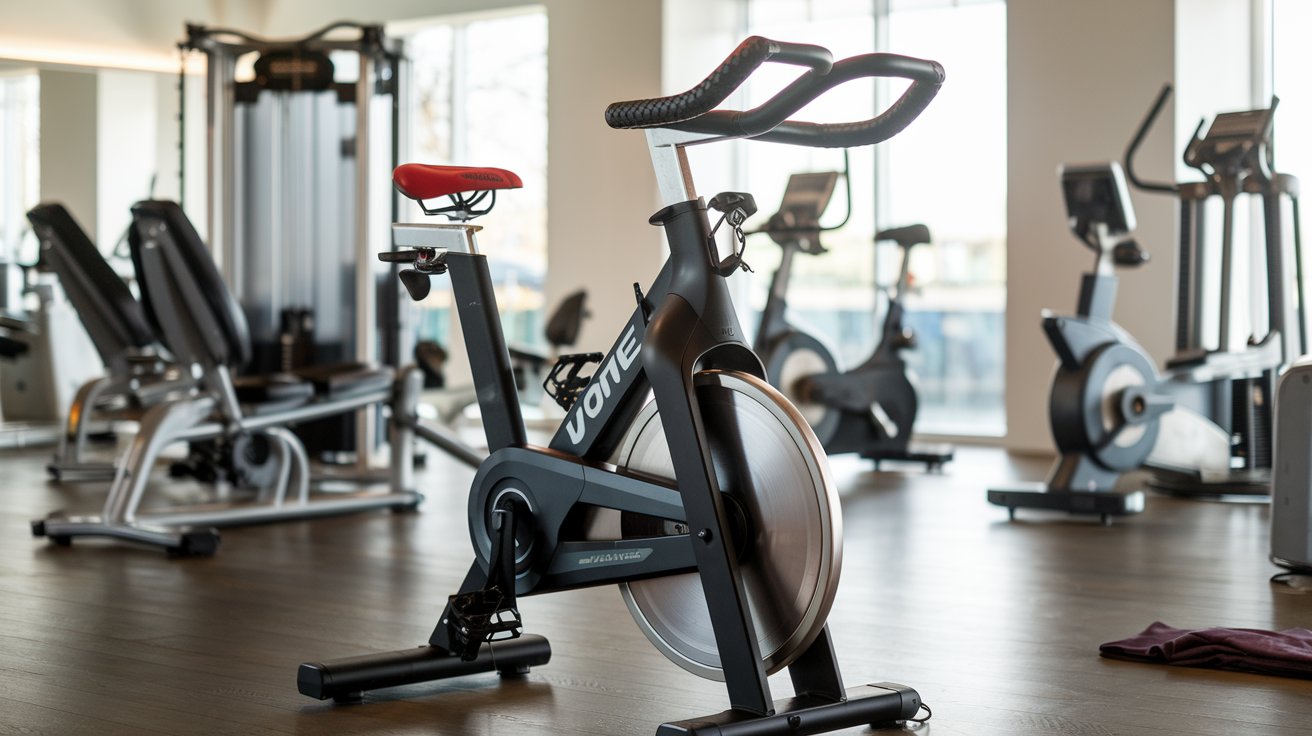
A spin bike is a specialized stationary exercise bike designed to replicate the experience of outdoor cycling with enhanced resistance training capabilities. Unlike traditional exercise bikes, spin bikes feature a heavy flywheel, adjustable resistance, and positioning that mimics road bikes, making them ideal for high-intensity interval training and weight loss programs popular in US fitness centers.
Understanding Spin Bike Design and Components
The fundamental design of a spin bike centers around a heavy flywheel that creates momentum and smooth pedaling motion. This flywheel typically weighs between 30-50 pounds, significantly heavier than standard exercise bikes. The stationary bike structure includes a sturdy steel frame capable of supporting intense workouts and riders up to 350 pounds in most commercial models available in the US market during 2026.
Key components include adjustable handlebars and seat positioning that allow users to achieve the forward-leaning posture characteristic of road cycling. The resistance system operates through either friction pads or magnetic mechanisms, with magnetic systems becoming the preferred choice in 2026 due to their quiet operation and low maintenance requirements. Professional-grade spin bikes also feature toe cages or clipless pedal systems for enhanced power transfer during cycling sessions.
Flywheel Technology and Resistance Systems
The heavy flywheel is what distinguishes a spin bike from other exercise equipment. In 2026, advanced flywheel technology incorporates precision-balanced wheels that eliminate wobbling and provide consistent resistance throughout the pedal stroke. Magnetic resistance systems have become standard in premium models, offering 32-100 resistance levels compared to basic friction systems that typically provide 8-20 levels of adjustability.
Frame Construction and Stability Features
Modern spin bike frames utilize high-grade steel alloys with powder-coated finishes for corrosion resistance. The frame geometry ensures stability during high-intensity workouts, with a longer wheelbase and lower center of gravity compared to upright exercise bikes. Commercial-grade models feature reinforced joints and welded construction that can withstand the rigorous demands of fitness studios and home gyms across the United States.
Spin Bike vs Exercise Bike: Key Differences
The primary difference between a spin bike and exercise bike lies in their intended use and design philosophy. Spin bikes prioritize performance and intensity, featuring aggressive riding positions that engage core muscles and replicate competitive cycling experiences. Traditional exercise bikes focus on comfort and accessibility, with upright or recumbent seating positions suitable for longer, moderate-intensity sessions.
Weight distribution differs significantly between these bike types. Exercise bikes typically weigh 40-80 pounds total, while spin bikes range from 80-150 pounds due to their heavy flywheels and robust construction. This weight difference directly impacts workout intensity and the type of muscle engagement achieved during training sessions.
Workout Intensity and Calorie Burn Comparison
Studies conducted by the American Council on Exercise in 2026 demonstrate that spin bike workouts can burn 400-600 calories per hour for a 150-pound individual, compared to 250-400 calories on traditional exercise bikes. The increased calorie burn results from greater muscle engagement, particularly in the core and upper body, due to the forward-leaning position and active riding style required on spin bikes.
Adjustability and Customization Options
Professional spin bikes offer extensive adjustability options including seat height, fore-aft positioning, handlebar height, and reach adjustments. This level of customization allows users to achieve proper bike fit similar to road cycling, reducing injury risk and improving workout efficiency. Traditional exercise bikes typically provide basic seat height adjustment and limited handlebar positioning, prioritizing ease of use over performance optimization.
Benefits of Spin Bike Training
Spin bike training offers numerous advantages for cardiovascular fitness and weight loss goals. The high-intensity nature of spin workouts increases both aerobic and anaerobic capacity, leading to improved heart health and enhanced metabolic rate that continues burning calories post-workout. Research from the Journal of Sports Medicine indicates that regular spin bike training can improve VO2 max by 15-25% within 12 weeks.
The point of a spin bike extends beyond basic cardio exercise to include full-body conditioning. The standing climbing positions, sprints, and varied resistance levels engage multiple muscle groups simultaneously, providing efficient total-body workouts in 30-45 minute sessions. This time efficiency makes spin bikes particularly appealing to busy Americans seeking maximum fitness benefits in minimal time investment.
Weight Loss and Metabolic Benefits
For individuals focused on weight loss, spin bikes provide superior results compared to traditional cardio equipment. The combination of high-intensity intervals and steady-state training creates an optimal fat-burning environment. Studies show that participants using spin bikes for weight loss achieved 12-18% greater fat reduction compared to those using standard exercise bikes over equivalent training periods.
Low-Impact Joint Health Advantages
Spin bike exercise provides excellent cardiovascular training while minimizing joint stress, making it suitable for individuals with knee, hip, or ankle concerns. The smooth, circular motion reduces impact forces compared to running or jumping activities. However, individuals with plantar fasciitis should consult healthcare providers before beginning intense spin training, as the foot positioning and pressure on clipless pedals may aggravate symptoms initially.
Potential Drawbacks and Considerations
The disadvantages of a spin bike primarily relate to comfort and accessibility concerns. The aggressive riding position may cause initial discomfort in the lower back, neck, and shoulders for users unaccustomed to cycling posture. New users often experience saddle soreness during the adaptation period, which typically resolves within 2-3 weeks of consistent training.
Cost represents another significant consideration, with quality spin bikes ranging from $500-3000 for home models and $2000-5000 for commercial-grade equipment. Maintenance requirements include regular cleaning, occasional belt adjustments, and brake pad replacements for friction-resistance models, adding to the total ownership cost over time.
Learning Curve and Safety Considerations
Proper form and technique are essential for safe spin bike operation. Users must learn correct posture, resistance adjustment, and standing position techniques to avoid injury. The intensive nature of spin workouts can lead to overexertion if participants push beyond appropriate fitness levels too quickly. Professional instruction or structured programs help minimize these risks while maximizing workout benefits.
Space and Noise Considerations
While spin bikes occupy relatively compact floor space (typically 4×2 feet), they require adequate ceiling height for standing positions and arm movement. Older friction-resistance models can generate significant noise during operation, though modern magnetic resistance systems operate much more quietly, making them suitable for apartment living and home gyms.
Choosing the Right Spin Bike in 2026
Selecting the appropriate spin bike depends on individual fitness goals, budget, and available space. For serious training and weight loss objectives, investing in a model with magnetic resistance, extensive adjustability, and commercial-grade construction provides the best long-term value. Budget-conscious consumers can find effective options in the $500-800 range that still offer solid performance for home use.
Key features to prioritize include flywheel weight (minimum 30 pounds), smooth resistance adjustment, comfortable seat options, and sturdy construction. Advanced features like integrated heart rate monitoring, workout tracking, and app connectivity have become standard in mid-range models, enhancing the overall training experience for tech-savvy users.
Related video about what is a spin bike
This video complements the article information with a practical visual demonstration.
Important things to know about what is a spin bike
What’s the difference between a spin bike and an exercise bike?
The main differences are design and intensity focus. Spin bikes feature heavy flywheels (30-50 lbs), aggressive riding positions, and are built for high-intensity training. Exercise bikes prioritize comfort with upright or recumbent positions and lighter construction, suitable for moderate-intensity, longer duration workouts. Spin bikes typically burn 400-600 calories per hour compared to 250-400 on exercise bikes.
What are the disadvantages of a spin bike?
Main disadvantages include the aggressive riding position that may cause initial discomfort in back, neck, and shoulders. They have a steeper learning curve requiring proper form training. Higher costs ($500-3000) compared to basic exercise bikes, potential saddle soreness during adaptation, and friction models can be noisy. They may not be suitable for users with certain physical limitations.
What is the point of a spin bike?
Spin bikes are designed for high-intensity cardiovascular training that maximizes calorie burn and improves both aerobic and anaerobic fitness. They provide efficient full-body workouts in 30-45 minutes, engaging core and upper body muscles through varied positions. The heavy flywheel creates smooth resistance ideal for interval training, climbing simulations, and performance-focused cycling workouts.
Is a stationary bike ok for plantar fasciitis?
Generally yes, as cycling is low-impact and doesn’t involve the repetitive heel striking that aggravates plantar fasciitis. However, spin bikes with clipless pedals may create pressure points that could worsen symptoms initially. It’s recommended to start with flat pedals, proper footwear, and consult a healthcare provider. The foot positioning and pedal pressure should be monitored during workouts.
Which is better for weight loss: spin bike or exercise bike?
Spin bikes are generally more effective for weight loss due to higher intensity capabilities and greater calorie burn (400-600 calories/hour vs 250-400 for exercise bikes). The varied workout positions and resistance levels create better metabolic conditioning. However, exercise bikes may be more sustainable long-term for some users due to comfort factors, making consistency easier to maintain.
How much space do I need for a spin bike?
A typical spin bike requires approximately 4×2 feet of floor space, but you should allow 6×4 feet total area for safe operation and dismounting. Ceiling height should be at least 8 feet to accommodate standing positions and arm movements. Additional space around the bike ensures proper ventilation and emergency access during intense workouts.
| Key Aspect | Important Details | Benefit |
|---|---|---|
| Flywheel Weight | 30-50 pounds for smooth momentum | Consistent resistance and road-like feel |
| Calorie Burn | 400-600 calories per hour | Superior weight loss results |
| Adjustability | Full bike fit customization | Proper form and injury prevention |
| Workout Variety | Standing, climbing, sprints, intervals | Full-body conditioning and engagement |
| Investment Range | $500-3000 for quality models | Long-term fitness equipment solution |