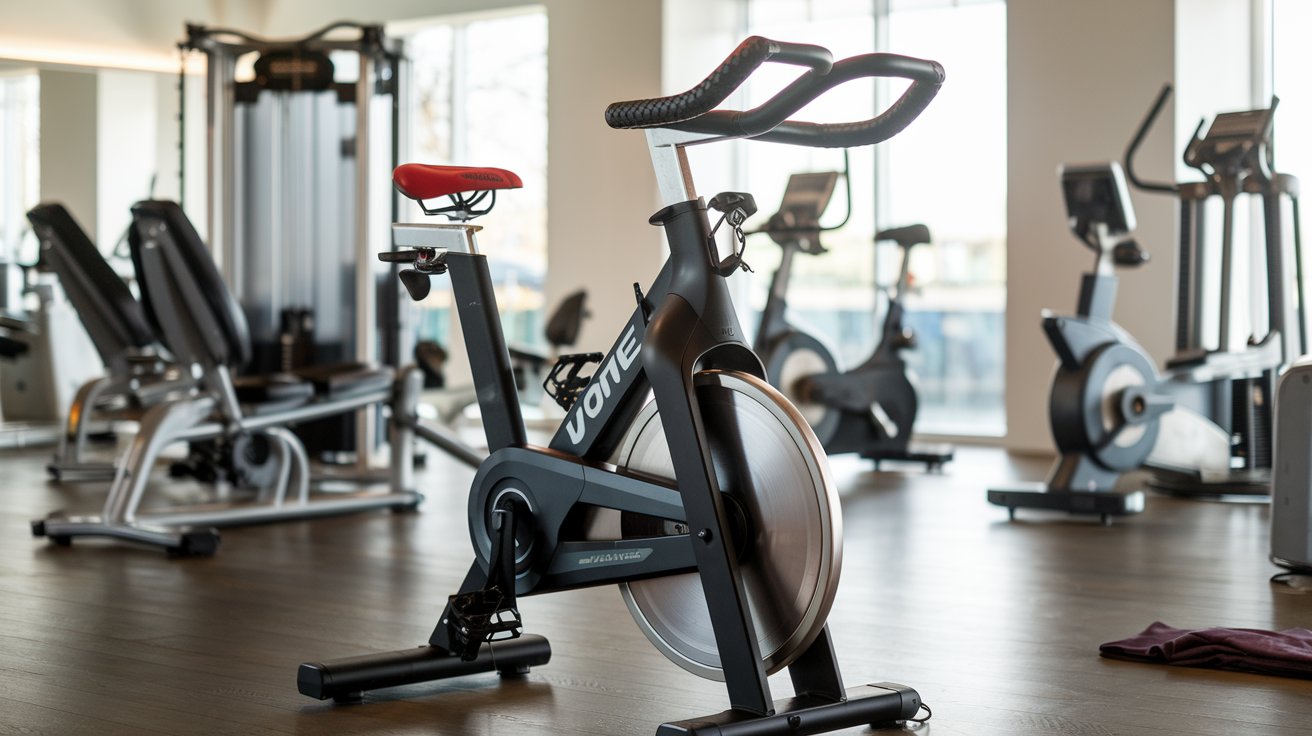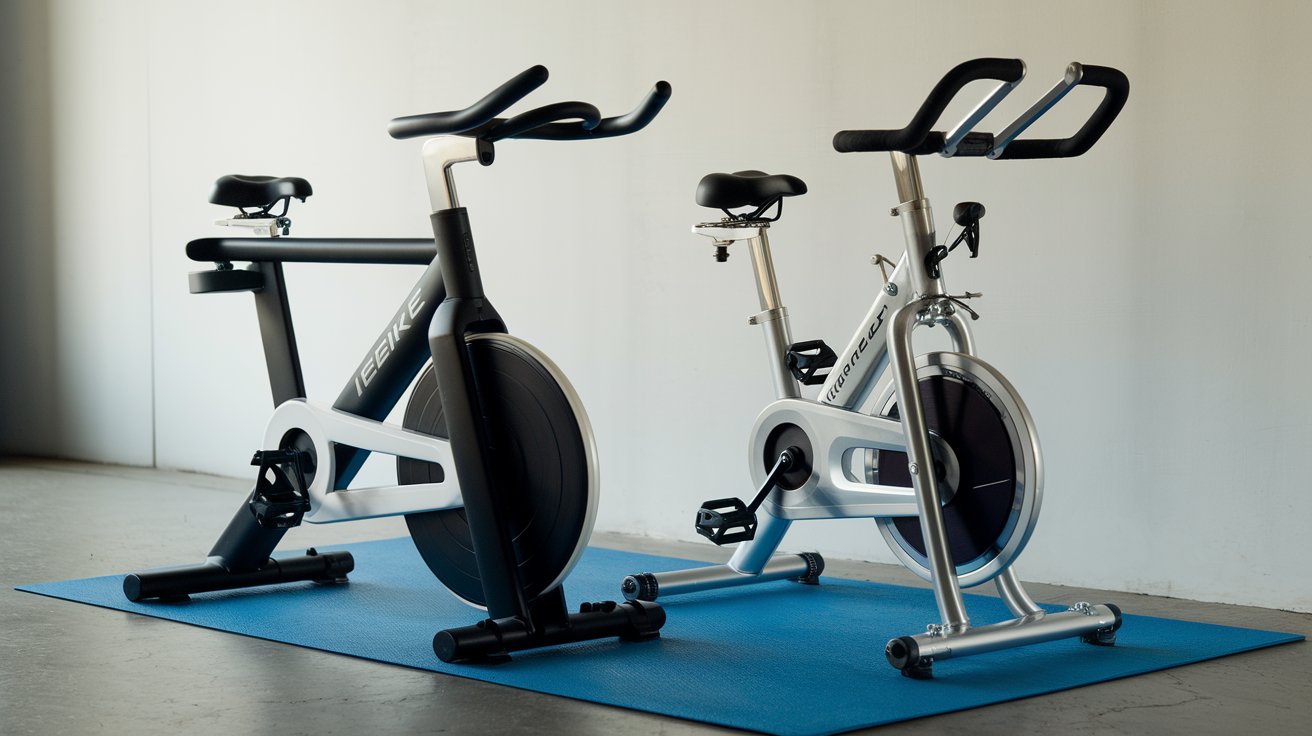
Choosing between a spin bike vs stationary bike can significantly impact your home fitness journey. While both provide excellent cardiovascular workouts, they serve different purposes and target distinct fitness goals. This comprehensive comparison reveals which option delivers the best value for your specific needs, workout preferences, and space requirements in 2026.
Spin Bikes vs Stationary Bikes: Key Differences Explained
The primary distinction between spin bikes and stationary bikes lies in their design philosophy and intended use. Spin bikes replicate the aggressive riding position and feel of road cycling, featuring a heavier flywheel, manual resistance systems, and forward-leaning posture. Meanwhile, traditional stationary bikes prioritize comfort and accessibility with upright seating, digital resistance controls, and extensive programming options.
Understanding these fundamental differences helps determine which bike type aligns with your fitness goals and exercise preferences. Spin bikes excel for high-intensity interval training and cycling enthusiasts, while stationary bikes offer versatility for users of all fitness levels seeking steady-state cardio workouts.
Design and Construction Differences
Spin bikes feature a heavier flywheel typically weighing 30-50 pounds, creating smooth momentum and authentic cycling feel. The frame design positions riders in an aerodynamic stance with adjustable handlebars and seats. Stationary bikes utilize lighter flywheels (15-25 pounds) and prioritize ergonomic comfort with cushioned seats, back support, and upright positioning that reduces strain on the neck and shoulders.
Resistance Systems Comparison
Most spin bikes employ friction or magnetic resistance controlled by manual knobs, allowing infinite adjustment levels and emergency stopping capabilities. Stationary bikes typically feature electronic magnetic resistance with preset programs and precise resistance levels controlled through digital displays, offering more structured workout experiences.
Primary Use Cases and Target Users
Spin bikes cater to serious cycling enthusiasts and fitness professionals seeking intense, varied workouts that simulate outdoor cycling conditions. These bikes excel for spinning classes, high-intensity interval training, and users who prefer standing while cycling. The aggressive positioning and authentic feel make them ideal for experienced cyclists maintaining fitness during off-season periods.
Stationary bikes serve a broader audience, including beginners, seniors, and rehabilitation patients who prioritize comfort and gradual fitness progression. The stable, supported seating position accommodates longer workout sessions while reducing injury risk, making them perfect for steady-state cardio, entertainment-based exercise, and users with mobility limitations.
Muscles Worked and Exercise Benefits
Both bike types primarily target the quadriceps, hamstrings, and glutes, but their different riding positions create unique muscle engagement patterns. Spin bikes activate additional core muscles due to the forward-leaning position and standing cycling options, while also engaging upper body muscles during aggressive riding positions and climbs.
Stationary bikes focus muscle activation on the lower body with minimal core engagement due to the supported upright position. However, this targeted approach allows for longer workout durations and sustained effort levels, particularly beneficial for building cardiovascular endurance and leg strength without upper body fatigue.
Cardiovascular Benefits Comparison
Spin bikes excel at delivering high-intensity cardiovascular workouts with heart rate spikes and recovery periods that improve VO2 max and anaerobic capacity. The variable positioning and resistance options create dynamic workouts that challenge the cardiovascular system through different intensity zones.
Lower Body Strength Development
Stationary bikes provide consistent lower body strengthening through sustained resistance cycling, particularly effective for building muscular endurance. The stable platform allows users to focus on maintaining proper form while gradually increasing resistance levels over time.
Calories Burned: Spin Bike vs Stationary Bike
Calorie burn varies significantly based on workout intensity, duration, and individual factors. Spin bike workouts typically burn 400-800 calories per hour due to their high-intensity nature and full-body engagement. The ability to alternate between seated and standing positions, combined with variable resistance, creates opportunities for explosive calorie-burning intervals.
Stationary bike sessions generally burn 250-600 calories per hour, with consistent moderate-intensity effort. While the range appears lower, the comfortable positioning allows for longer workout durations, potentially resulting in equal or greater total calorie expenditure over extended sessions.
Space Requirements and Home Setup
Spin bikes typically require a 4×6 foot exercise space to accommodate the bike footprint plus movement area for mounting and dismounting. Their compact design and minimal electronic components make them suitable for basements, garages, or spare rooms without climate control requirements.
Stationary bikes need similar floor space but often require additional clearance for console viewing and ventilation. Many models include entertainment features requiring proximity to power outlets and Wi-Fi connections, influencing placement options within the home environment.
Storage and Portability Options
Most spin bikes feature transport wheels and compact frames that facilitate movement and storage. Their simple mechanical design eliminates concerns about electronic component damage during storage or transportation.
Installation and Maintenance Requirements
Stationary bikes often require more complex assembly due to electronic components and console integration. Regular maintenance includes software updates, sensor calibration, and electrical system checks in addition to basic mechanical upkeep.
Cost Analysis: Initial Investment and Long-term Value
Quality spin bikes range from $300-2000 depending on build quality, flywheel weight, and resistance system sophistication. Premium models from brands like Peloton or SoulCycle can exceed $2000 but offer studio-quality construction and performance features.
Stationary bikes span a wider price range of $200-3000, with basic models offering essential features and premium options including large touchscreens, subscription services, and advanced programming. The higher-end models often include ongoing subscription costs for content and features, affecting total ownership costs.
Which Should You Choose: Decision Factors
Select a spin bike if you prefer high-intensity workouts, have cycling experience, enjoy varied riding positions, and want authentic cycling simulation. Spin bikes suit users who prioritize workout intensity over comfort and prefer minimal technological distractions during exercise sessions.
Choose a stationary bike if you prioritize comfort, need gradual fitness progression, prefer entertainment during workouts, or have mobility limitations. Stationary bikes excel for users seeking consistent, moderate-intensity exercise with built-in motivation through programs and entertainment options.
Related video about spin bike vs stationary bike
This video complements the article information with a practical visual demonstration.
Frequently Asked Questions
Is a spin bike better than a stationary bike?
Neither bike type is inherently better, as effectiveness depends on individual fitness goals and preferences. Spin bikes excel for high-intensity training and cycling enthusiasts, while stationary bikes offer comfort and accessibility for broader user ranges. Consider your workout intensity preferences, experience level, and comfort requirements when choosing.
What are the disadvantages of a spin bike?
Spin bike disadvantages include uncomfortable positioning for beginners, higher injury risk due to aggressive posture, limited entertainment options, and potential overexertion due to manual resistance control. The forward-leaning position can cause neck and back strain for users with poor flexibility or existing musculoskeletal issues.
Is 30 minutes of stationary bike the same as 30 minutes of walking?
Stationary biking typically burns more calories than walking in the same timeframe, with moderate cycling burning 250-400 calories per 30 minutes compared to 120-200 calories for brisk walking. However, walking provides weight-bearing exercise benefits and engages different muscle groups, making both activities valuable for overall fitness.
Does a stationary bike lower cholesterol?
Regular stationary bike exercise can help lower cholesterol levels by increasing HDL (good) cholesterol and reducing LDL (bad) cholesterol. Studies show that 150 minutes of moderate-intensity cycling weekly can improve cholesterol profiles by 5-10%, especially when combined with proper diet and lifestyle changes.
Which bike is better for weight loss?
Both bikes can effectively support weight loss, but spin bikes typically burn more calories per session due to higher intensity capabilities. However, stationary bikes may promote greater total calorie burn over time due to increased workout frequency and duration from improved comfort and accessibility.
| Feature | Spin Bike | Stationary Bike |
|---|---|---|
| Best For | High-intensity training, cycling enthusiasts | Comfort-focused, all fitness levels |
| Calorie Burn | 400-800 calories/hour | 250-600 calories/hour |
| Price Range | $300-2000 | $200-3000 |
| Space Needed | 4×6 feet | 4×6 feet plus clearance |