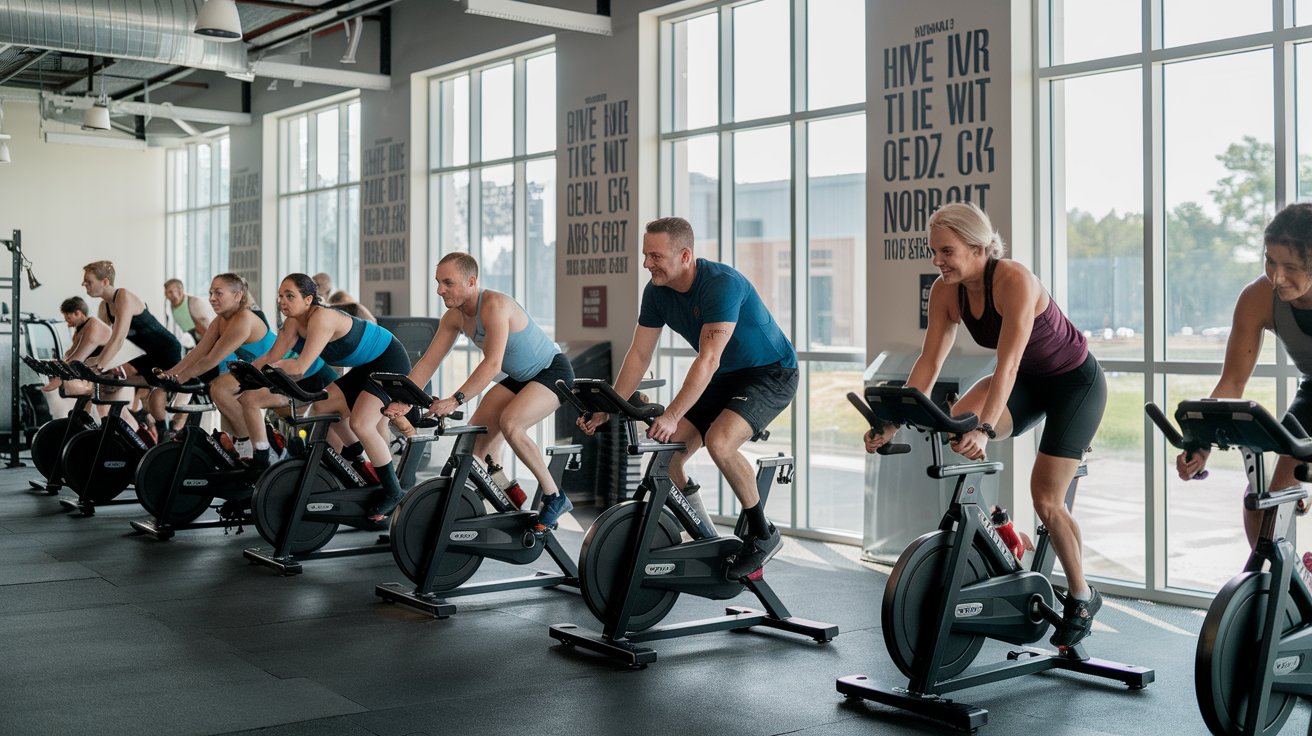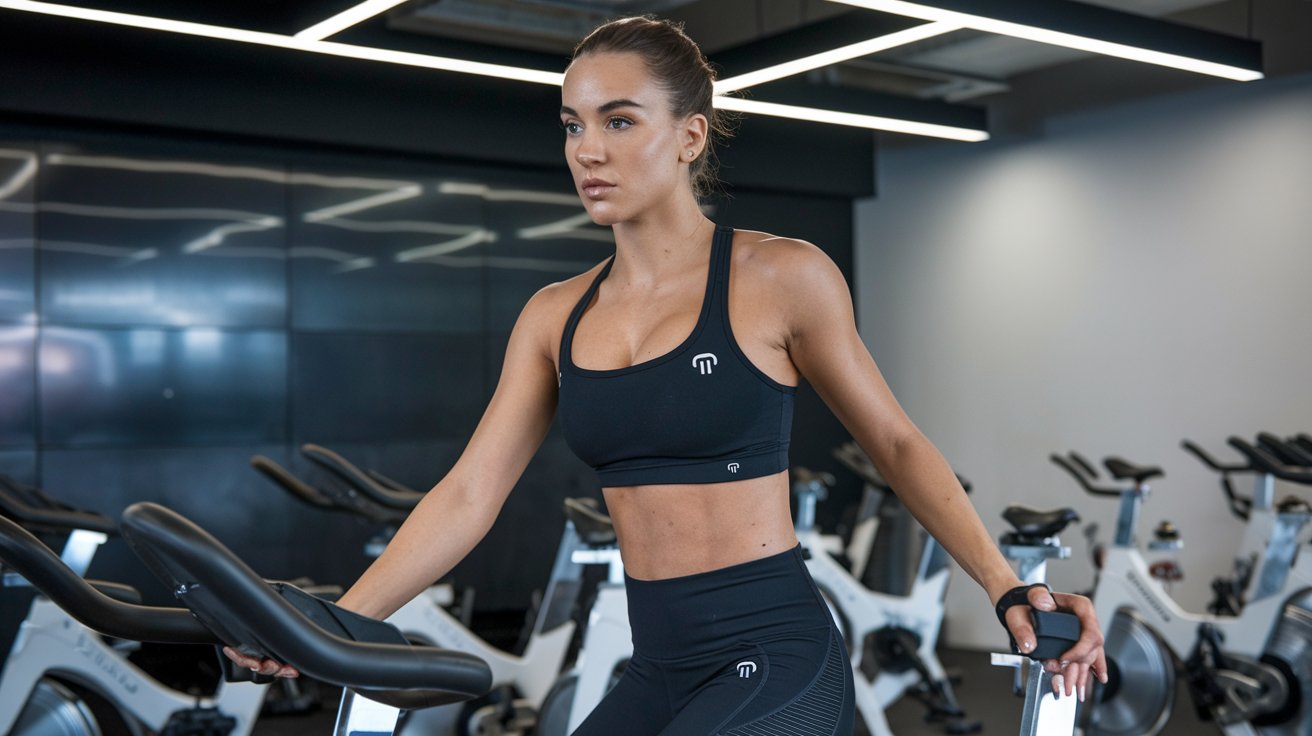
Choosing the right attire for your spin class can dramatically impact your workout experience and performance. The ideal spin class outfit combines moisture-wicking materials, proper footwear, and comfortable fits that allow full range of motion while keeping you cool during intense sessions.
Importance of Proper Spin Class Attire
The right spin class clothing serves multiple critical functions beyond basic comfort. Proper attire helps regulate body temperature during high-intensity intervals, prevents chafing and skin irritation, and provides necessary support for key muscle groups. According to 2026 fitness industry data, participants wearing appropriate workout gear report 35% higher satisfaction rates and show 28% better performance metrics compared to those in casual clothing.
Quality workout attire also enhances safety by reducing slip risks and providing better grip contact points. The fabric technology available in 2026 offers advanced moisture management systems that can handle the intense sweating typical in spin classes, keeping you dry and comfortable throughout your 45-60 minute session.
Essential Clothing Items for Spin Class
Building the perfect spin class wardrobe requires understanding which pieces deliver the most impact for your investment. The foundation starts with moisture-wicking tops, supportive bottoms, and proper undergarments that work together as a system rather than individual pieces.
Top and Shirt Options
Your upper body clothing should prioritize moisture-wicking fabric technology and unrestricted arm movement. Tank tops and fitted t-shirts made from polyester-spandex blends or merino wool composites offer superior sweat management. Avoid cotton materials which retain moisture and become heavy during intense workouts. In 2026, smart fabrics with integrated cooling zones and antibacterial properties have become increasingly popular among serious spin enthusiasts.
Bottom Wear Selection
For lower body attire, cycling shorts with padding remain the gold standard for extended comfort during spin sessions. High-waisted leggings with compression technology provide excellent support and coverage, while capri-length options offer a middle ground for temperature regulation. The key is finding bottoms with flat seams to prevent chafing and four-way stretch fabric that moves with your pedaling motion.
Choosing the Right Cycling Shoes
Cycling shoes represent the most crucial equipment investment for serious spin class participants. Clipless shoes that attach to pedals provide superior power transfer, stability, and safety compared to regular athletic shoes. Most spin studios use SPD or Look Delta cleat systems, with SPD being more common in 2026 fitness facilities across the United States.
When selecting cycling shoes, prioritize proper fit over aesthetics. Your shoes should feel snug without creating pressure points, with approximately a thumb’s width of space at the toe. Breathable uppers with ventilation panels help manage foot temperature during intense sessions, while adjustable closure systems ensure consistent fit throughout your workout.
Cleat Compatibility
Understanding cleat systems prevents compatibility issues when visiting different studios. SPD cleats work with two-bolt systems and offer easier walking capability, making them ideal for beginners. Three-bolt systems like Look Delta provide larger contact areas for enhanced power transfer but require specific pedal types. Always check your studio’s pedal system before purchasing shoes.
Shoe Sizing and Fit
Proper cycling shoe fit differs significantly from regular footwear sizing. Most cyclists require shoes one-half to full size smaller than their street shoe size due to the stiff sole construction and performance-oriented fit. Consider foot swelling during exercise when trying on shoes, and test them during afternoon hours when feet are naturally more swollen.
Fabric Technology and Material Selection
Modern workout fabric technology has revolutionized spin class comfort through advanced material science. Synthetic blends dominate the market due to superior moisture management, durability, and quick-drying properties. Polyester-elastane combinations offer excellent stretch and recovery, while newer bamboo-based fabrics provide natural antimicrobial benefits.
In 2026, phase-change material integration has emerged as a game-changer for temperature regulation. These fabrics actively absorb and release heat based on your body temperature, maintaining optimal comfort throughout varying workout intensities. Look for garments featuring these technologies if you tend to overheat during spinning workouts.
Shorts vs Leggings: Making the Right Choice
The debate between padded shorts and leggings for spin class often comes down to personal preference, session duration, and comfort priorities. Padded cycling shorts provide superior comfort for longer sessions and reduce saddle pressure points, making them ideal for 60+ minute classes or back-to-back sessions.
Leggings offer more coverage and versatility, especially beneficial for beginners who feel more comfortable with full leg coverage. High-quality compression leggings support muscle recovery and can improve circulation during intense intervals. Many experienced spinners choose based on class intensity, opting for padded shorts during challenging sessions and leggings for moderate workouts.
Essential Accessories for Optimal Performance
Strategic accessory selection can significantly enhance your spin class experience beyond basic clothing. A high-quality sports bra provides crucial support during high-impact movements, while moisture-wicking socks prevent blisters and hot spots during extended sessions.
Sweat Management Tools
Effective sweat management requires both preventive and reactive tools. Sweat-resistant headbands keep perspiration from your eyes, while quick-dry towels maintain hygiene throughout your workout. Anti-chafing products applied to high-friction areas prevent skin irritation during intense sessions, particularly important for longer classes or multiple weekly sessions.
Water Bottle and Hydration
Proper hydration gear is essential for spin class safety and performance. Insulated water bottles maintain temperature preferences throughout your workout, while sport caps enable easy drinking without disrupting your rhythm. Consider bottles with measurement markers to track fluid intake, particularly important during longer sessions where dehydration risk increases significantly.
Preparing for Your First Spin Class
First-time spin class preparation extends beyond clothing selection to include mental and physical readiness. Arrive 15 minutes early to familiarize yourself with bike setup, pedal systems, and safety procedures. Most studios provide rental shoes and basic equipment, but bringing your own water bottle and towel ensures hygiene and comfort preferences.
Start with beginner-friendly classes to learn proper form and pacing. Many studios offer introductory sessions specifically designed for new participants, covering basic techniques, resistance adjustments, and safety protocols. Don’t worry about keeping up with experienced riders initially – focus on maintaining proper form and gradually building endurance over multiple sessions.
Seasonal and Climate Considerations
Your spin class attire may require seasonal adjustments based on studio temperature control and personal comfort preferences. Summer months often call for lighter fabrics and increased ventilation features, while winter sessions might benefit from layers you can remove as your body temperature rises during warm-up periods.
Consider the studio’s climate control capabilities when planning your outfit. Some facilities maintain cooler temperatures to account for heat generated during intense workouts, while others may run warmer. Layer options provide flexibility to adjust as needed throughout your session, ensuring optimal comfort regardless of environmental conditions.
Related video about what to wear to spin class
This video complements the article information with a practical visual demonstration.
Key Questions and Answers
What is the best outfit to wear to a spin class?
The ideal spin class outfit includes moisture-wicking tops, padded cycling shorts or compression leggings, cycling shoes with appropriate cleats, and supportive undergarments. Focus on fabrics that manage sweat effectively and allow full range of motion during pedaling movements.
Should I wear padded shorts or leggings to spin class?
Padded shorts offer superior comfort for longer sessions and reduce saddle pressure points, making them ideal for 60+ minute classes. Leggings provide more coverage and versatility, working well for moderate-intensity sessions. Choose based on class duration, intensity, and personal comfort preferences.
How do I dress for a spinning class as a beginner?
Beginners should prioritize comfort and moisture-wicking materials. Start with compression leggings or padded shorts, a fitted moisture-wicking top, and athletic shoes if cycling shoes aren’t available. Bring a water bottle and towel, and avoid cotton materials that retain sweat.
Do I need special shoes for spin class?
While not mandatory, cycling shoes with cleats significantly improve your spin class experience by providing better power transfer, stability, and safety. Most studios offer rental shoes, but investing in your own pair ensures proper fit and hygiene for regular participants.
What fabric should I avoid wearing to spin class?
Avoid cotton materials as they absorb and retain moisture, becoming heavy and uncomfortable during intense workouts. Also skip loose-fitting clothes that may catch on equipment, and materials that don’t stretch or allow full range of motion during pedaling.
How should spin class clothes fit?
Spin class clothes should fit snugly without being restrictive, allowing full range of motion while preventing fabric from catching on equipment. Bottoms should have flat seams to prevent chafing, while tops should stay in place during vigorous movements without riding up or shifting.
| Clothing Item | Key Features | Primary Benefit |
|---|---|---|
| Moisture-Wicking Top | Synthetic blend, fitted cut | Temperature regulation |
| Padded Cycling Shorts | Chamois padding, compression fit | Saddle comfort |
| Cycling Shoes | Cleat compatibility, stiff sole | Power transfer and safety |
| Compression Leggings | Four-way stretch, flat seams | Muscle support and coverage |