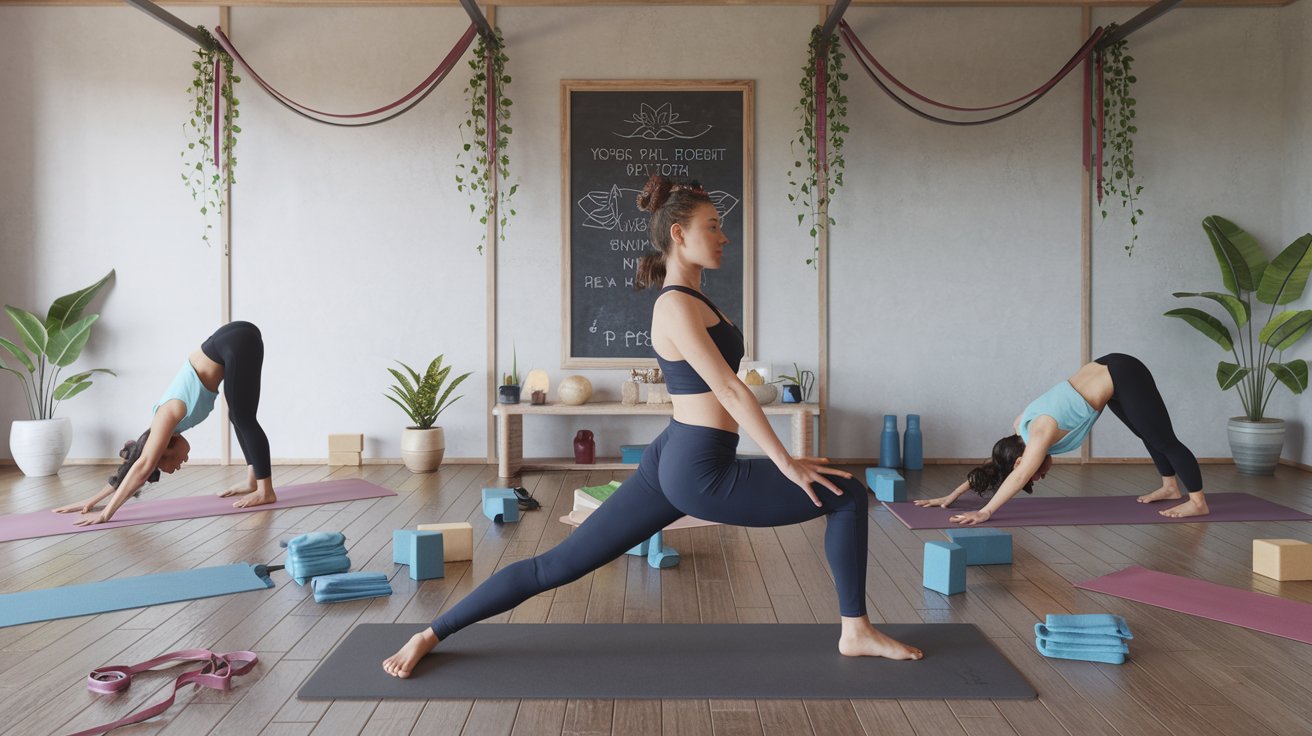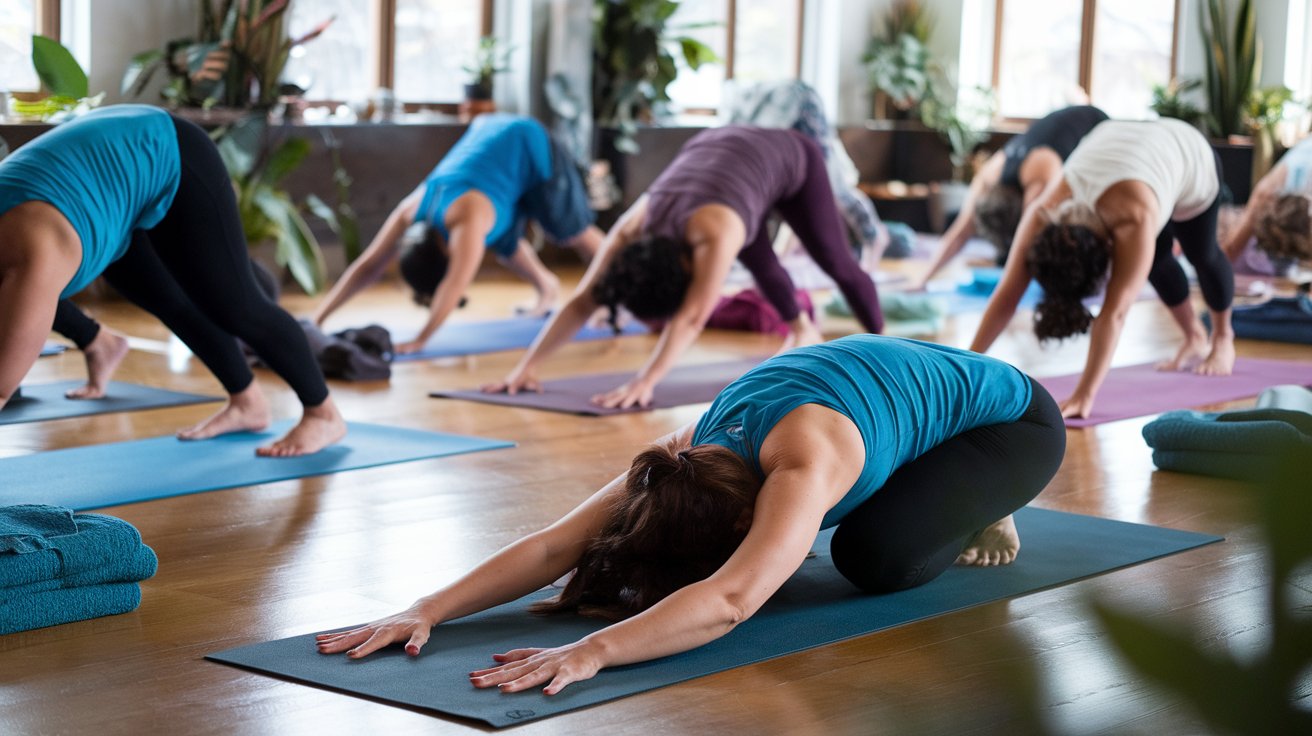
Aerial yoga, also known as anti-gravity yoga, combines traditional yoga poses with the support of a silk hammock suspended from the ceiling. This innovative practice offers numerous benefits for both physical and mental health, including improved flexibility, reduced back pain, enhanced strength, and significant stress relief. Unlike conventional yoga, aerial yoga allows practitioners to achieve deeper stretches while reducing pressure on joints.
What Is Aerial Yoga and How Does It Work
Aerial yoga is a hybrid fitness practice that combines traditional yoga poses, Pilates, and dance movements using a fabric hammock as support. Developed in 2014 by Christopher Harrison, this practice allows practitioners to perform poses while partially or fully suspended in the air. The hammock supports body weight, enabling deeper stretches and spinal decompression that is difficult to achieve in ground-based yoga.
The practice utilizes gravity and suspension to create traction for the spine, allowing for natural alignment and reduced compression. Unlike traditional yoga where poses are performed on a mat, aerial yoga enables practitioners to explore inverted positions safely while building core strength and improving circulation throughout the body.
Origins and Development of Aerial Yoga
Christopher Harrison, a former gymnast and Broadway performer, developed AntiGravity Fitness after experiencing chronic back pain from years of high-impact activities. His innovative approach combines elements from yoga, Pilates, aerial arts, and therapeutic exercises. By 2026, aerial yoga has evolved into multiple styles including restorative aerial yoga, aerial vinyasa, and therapeutic aerial yoga, each targeting specific health goals and fitness levels.
Essential Equipment and Setup
Professional aerial yoga requires high-quality silk hammocks made from low-stretch fabric, typically nylon tricot or aerial silk. The hammock must be anchored to ceiling points capable of supporting at least 2,000 pounds for safety. Most studios in the United States use certified rigging systems with professional-grade hardware including rescue-8 descenders, shackles, and swivels to ensure participant safety during practice.
Physical Health Benefits of Aerial Yoga
Research published in the American Journal of Health Promotion shows that aerial yoga provides significant physical health improvements within just six weeks of regular practice. Participants experienced a 21% increase in upper body strength, 16% improvement in core stability, and notable enhancements in flexibility and balance. The practice particularly benefits spinal health through natural decompression that occurs when hanging inverted.
The low-impact nature of aerial yoga makes it accessible for individuals with joint issues, arthritis, or previous injuries. Unlike high-impact exercises, aerial yoga reduces stress on knees, hips, and ankles while still providing an effective cardiovascular workout that can burn 300-400 calories per session.
Spinal Health and Decompression Benefits
Aerial yoga provides therapeutic spinal decompression that helps alleviate chronic back pain and improve posture. When suspended in the hammock, gravity naturally creates space between vertebrae, reducing pressure on spinal discs and allowing for better nutrient flow to spinal tissues. Studies show that regular practitioners experience up to 30% reduction in lower back pain symptoms within eight weeks of consistent practice.
Cardiovascular and Strength Training Effects
Despite its seemingly gentle nature, aerial yoga provides an effective cardiovascular workout with heart rates reaching 60-70% of maximum during active sequences. The instability of the hammock engages deep stabilizing muscles throughout the core, shoulders, and legs, leading to improved functional strength that translates to better performance in daily activities and other forms of exercise.
Mental Health and Emotional Benefits
Aerial yoga significantly impacts mental health and emotional well-being through various mechanisms including stress reduction, improved mood regulation, and enhanced body awareness. The practice combines the meditative aspects of traditional yoga with the playful, creative elements of aerial arts, creating a unique environment for emotional release and mental clarity.
Research indicates that aerial yoga practitioners show measurable improvements in anxiety levels and stress management after just four weeks of regular practice. The inversion component particularly benefits mental health by increasing blood flow to the brain and stimulating the release of mood-enhancing neurotransmitters.
Stress Reduction and Anxiety Relief
The rhythmic movements and supported inversions in aerial yoga activate the parasympathetic nervous system, promoting deep relaxation and reducing cortisol levels. Practitioners report significant improvements in anxiety management, with many noting that the meditative quality of floating and gentle swaying helps quiet mental chatter and promote mindfulness. The practice provides a unique form of moving meditation that combines physical activity with mental relaxation.
Enhanced Body Awareness and Confidence
Aerial yoga develops proprioceptive awareness as practitioners learn to navigate three-dimensional movement while suspended. This enhanced body awareness translates to improved coordination, balance, and spatial orientation in daily life. Many practitioners report increased self-confidence and body positivity as they achieve poses and movements they never thought possible, fostering a sense of accomplishment and empowerment.
Aerial Yoga for Weight Loss and Metabolism
Aerial yoga supports weight loss goals through multiple mechanisms including calorie burn, muscle building, and metabolic enhancement. A typical 60-minute aerial yoga session burns between 300-400 calories, comparable to moderate-intensity activities like cycling or swimming. The practice builds lean muscle mass which increases resting metabolic rate, leading to continued calorie burn even after the workout ends.
The full-body engagement required in aerial yoga activates multiple muscle groups simultaneously, creating an efficient workout that maximizes calorie expenditure. Additionally, the stress-reducing benefits help regulate cortisol levels, which can contribute to weight management by reducing stress-related eating and improving sleep quality.
Therapeutic Applications and Medical Benefits
Healthcare professionals increasingly recognize aerial yoga as a valuable therapeutic intervention for various conditions including chronic pain, PCOS, and high blood pressure. Physical therapists and rehabilitation specialists incorporate modified aerial yoga techniques to help patients recover from injuries while improving functional movement patterns.
For individuals with PCOS (Polycystic Ovary Syndrome), aerial yoga offers particular benefits through hormonal regulation and stress reduction. The practice helps improve insulin sensitivity, reduce inflammation, and support healthy weight management – all crucial factors in PCOS management. Regular practice can also help regulate menstrual cycles and reduce symptoms associated with hormonal imbalances.
Blood Pressure and Cardiovascular Health
Studies show that aerial yoga can help reduce high blood pressure through combined cardiovascular exercise and stress reduction mechanisms. The inverted poses improve circulation and heart function while the relaxation components activate the parasympathetic nervous system, leading to lower resting heart rate and improved blood pressure regulation. Practitioners often see measurable improvements in cardiovascular markers within 6-8 weeks of regular practice.
Pain Management and Injury Recovery
Aerial yoga provides effective pain management for conditions including fibromyalgia, arthritis, and chronic back pain. The gentle traction and supported movements help reduce inflammation while improving joint mobility and muscle flexibility. Many practitioners report significant reduction in chronic pain symptoms and decreased reliance on pain medications after incorporating aerial yoga into their wellness routine.
Getting Started: Beginner Guidelines and Safety
Beginning aerial yoga requires proper preparation and realistic expectations to ensure a safe and enjoyable experience. Most beginners can start aerial yoga regardless of previous yoga experience, though basic body awareness and moderate fitness levels are helpful. It’s essential to start with beginner-friendly classes that focus on foundational movements and proper hammock use before progressing to advanced poses.
Safety considerations include wearing appropriate clothing (fitted, non-slippery fabrics), removing jewelry, and informing instructors of any health conditions or injuries. Certified instructors should provide thorough orientation on hammock use, basic poses, and safety protocols during first classes to ensure proper technique and prevent injuries.
What to Expect in Your First Class
First-time aerial yoga participants typically begin with ground-based poses using the hammock for support before progressing to suspended positions. Classes usually start with gentle warm-up movements, progress through supported poses, and end with relaxing inversions. Expect to feel muscle engagement in new areas, particularly the core and upper body, as well as a sense of playfulness and accomplishment as you master basic movements.
Essential Tips for Beginners
Successful aerial yoga practice begins with choosing qualified instructors and reputable studios with proper safety equipment. Beginners should arrive well-hydrated but avoid heavy meals 2-3 hours before class. Start with once or twice weekly sessions to allow the body to adapt, and don’t be discouraged if certain poses feel challenging initially – progression comes with consistent practice and proper instruction.
Aerial Yoga vs Traditional Yoga Comparison
While both practices share foundational yoga principles, aerial yoga offers unique advantages including spinal decompression, enhanced flexibility, and reduced joint pressure. Traditional yoga provides excellent foundation building and is more accessible for home practice, while aerial yoga offers three-dimensional movement and the therapeutic benefits of inversion without requiring advanced skills.
Aerial yoga tends to be more cardiovascular intensive than many traditional yoga styles, making it an excellent choice for those seeking both flexibility and fitness benefits. The hammock support also allows practitioners to achieve deeper stretches and hold poses longer, potentially accelerating flexibility gains compared to traditional floor-based practice.
Who Should Avoid Aerial Yoga
While aerial yoga is generally safe for most people, certain conditions require medical clearance or complete avoidance. Individuals with uncontrolled high blood pressure, recent eye surgery, pregnancy (after first trimester without specific prenatal training), and certain heart conditions should consult healthcare providers before participating. Recent injuries to the spine, shoulders, or wrists may also contraindicate aerial yoga practice.
People with severe vertigo, inner ear problems, or fear of heights may find aerial yoga challenging and should start with ground-based modifications. Additionally, individuals taking blood thinning medications or with bleeding disorders should seek medical advice before participating in inversion-heavy practices that could affect circulation and blood flow.
Related video about what is aerial yoga good for
This video complements the article information with a practical visual demonstration.
Key Questions and Answers
What are the main benefits of aerial yoga?
Aerial yoga provides spinal decompression, improved flexibility, enhanced core strength, stress reduction, and cardiovascular benefits. It burns 300-400 calories per session while reducing joint pressure and supporting mental health through relaxation and mood enhancement. Regular practice improves posture, reduces back pain, and increases overall body awareness.
Is aerial yoga good for weight loss?
Yes, aerial yoga supports weight loss through calorie burning (300-400 per session), muscle building, and metabolic enhancement. The full-body engagement builds lean muscle mass, increasing resting metabolic rate. Combined with stress reduction benefits that help regulate cortisol levels, aerial yoga creates an effective environment for sustainable weight management.
Can aerial yoga help with anxiety?
Aerial yoga significantly reduces anxiety through stress hormone regulation and parasympathetic nervous system activation. The combination of gentle movement, supported inversions, and meditative qualities helps quiet mental chatter and promote mindfulness. Practitioners often report improved anxiety management within 4-6 weeks of regular practice.
Which yoga pose is best for PCOS?
For PCOS, supported inversions in aerial yoga are particularly beneficial as they improve circulation, reduce inflammation, and help regulate hormones. The butterfly pose and supported twists using the hammock can enhance pelvic circulation. However, consistency in overall practice is more important than individual poses for hormonal regulation.
Is aerial yoga good for high blood pressure?
Aerial yoga can help reduce high blood pressure through cardiovascular exercise and stress reduction. However, individuals with uncontrolled hypertension should avoid inversions and seek medical clearance before starting. Modified ground-based aerial yoga movements may be appropriate for some people with controlled blood pressure conditions.
Who should not do aerial yoga?
People with uncontrolled high blood pressure, recent eye surgery, certain heart conditions, pregnancy complications, severe vertigo, or recent spinal injuries should avoid aerial yoga. Those on blood thinning medications or with bleeding disorders should consult healthcare providers before participating in inversion-based practices.
| Health Aspect | Aerial Yoga Benefit | Expected Timeline |
|---|---|---|
| Spinal Health | Natural decompression and pain relief | 4-6 weeks |
| Mental Wellness | Reduced anxiety and stress levels | 2-4 weeks |
| Physical Fitness | Improved strength and flexibility | 6-8 weeks |
| Weight Management | Calorie burn and muscle building | 8-12 weeks |
| Cardiovascular | Enhanced circulation and heart health | 6-10 weeks |